High-Stim
Pre-Workout
Some pre-workout and performance supplements contain high caffeine, yohimbine, synephrine, DMHA-like ingredients, DMAA, or proprietary stimulant blends. These products can be risky for athletes, teens, and anyone with heart, blood pressure, anxiety, or medication concerns.
High-stim pre-workout products are often marketed as fitness aids, but some contain drug-like stimulant ingredients.
Not every pre-workout is the same. Some contain ordinary ingredients such as caffeine, creatine, beta-alanine, or amino acids. The concern is the high-stim category: products with very high caffeine, stimulant stacks, proprietary blends, or ingredients that FDA has said do not belong in dietary supplements.
FDA says DMAA is not a dietary ingredient and that DMAA-containing products marketed as dietary supplements are illegal. FDA also considers DMHA an ingredient that does not meet the definition of a dietary ingredient and views DMHA-containing supplements as adulterated. These ingredients have appeared in sports-performance and weight-loss products.
DMAA and DMHA.
FDA has said these do not meet the legal standard for dietary supplement ingredients.
Yohimbine and synephrine.
Stimulant-related ingredients that may raise heart rate, blood pressure, anxiety, and interaction risk.
High caffeine stacks.
Caffeine may be combined with guarana, green tea extract, yerba mate, or caffeine anhydrous.
Athlete risk.
NCAA lists many stimulant ingredients, including DMAA, DMHA, synephrine, caffeine sources, DMBA, and related compounds, as banned-substance concerns.
High-stim pre-workout, explained in plain English
These are powders, capsules, drinks, or pills marketed for workouts, focus, fat loss, or performance. Some are ordinary caffeine products. Others contain stronger stimulant combinations that can cause serious side effects.
What are DMAA and DMHA?
DMAA is also called 1,3-dimethylamylamine or methylhexanamine. FDA describes DMAA as an amphetamine derivative and says it is not a dietary ingredient. Products marketed as supplements that contain DMAA are illegal.
DMHA is also called 2-aminoisoheptane or octodrine. FDA has stated that DMHA does not meet the definition of a dietary ingredient and that dietary supplements containing DMHA are adulterated.
Why should families and athletes be concerned?
High-stim products can make someone feel alert, intense, or driven, but they may also strain the heart and nervous system.
- Heart symptoms: Fast heartbeat, palpitations, chest pain, and increased blood pressure can occur.
- Mental effects: Anxiety, panic, agitation, insomnia, and irritability can worsen.
- Stacking stimulants: Risk increases when pre-workout is combined with energy drinks, caffeine pills, stimulant medications, nicotine, or weight-loss products.
- Drug testing: Athletes can fail drug tests from banned stimulant ingredients or contaminated products.
Where are these sold?
Pre-workout and stimulant performance products may be sold in supplement stores, gyms, gas stations, smoke shops, vape shops, convenience-style stores, and online marketplaces.
Products may appear as tubs of powder, capsules, single-serve packets, drinks, or weight-loss pills.
What is concerning about extreme or drug-themed branding?
Some products use names, graphics, or wording that suggest risk-taking, aggression, drug culture, or “maximum intensity.” This can attract users who want the strongest possible effect.
Branding is not proof of safety. Always check the ingredient list, caffeine amount, serving size, and warning labels.
What is yohimbine?
Yohimbine is a stimulant-related compound sometimes found in performance, fat-loss, or sexual enhancement products. It can increase heart rate and blood pressure, and it may worsen anxiety, panic, or insomnia.
Yohimbine can be especially risky for people with heart disease, high blood pressure, anxiety disorders, kidney disease, or people taking psychiatric medications, stimulants, or blood pressure medicines.
What is synephrine?
Synephrine is a stimulant-related compound often associated with bitter orange. It may appear in weight-loss and performance products.
Synephrine can be risky when combined with caffeine or other stimulants, especially for people with heart, blood pressure, anxiety, or medication concerns. It is also listed by NCAA as a banned-substance concern.
What are signs of too much stimulant exposure?
Warning signs include racing heartbeat, chest pain, shortness of breath, severe headache, confusion, panic, agitation, hallucinations, vomiting, high fever, seizures, fainting, or loss of consciousness.
Call 911 for chest pain, fainting, seizure, severe confusion, severe headache, or an irregular heartbeat. For urgent poison questions, call Poison Control at 1-800-222-1222.
Are these products legal?
Some pre-workout products are legal dietary supplements. Others may contain ingredients that FDA says are unlawful or adulterated when sold as dietary supplements, including DMAA and DMHA.
Legal availability does not mean a product has been reviewed for safety, accurately labeled, or allowed by athletic organizations.
How can parents and coaches spot risky products?
Look for words such as “high stim,” “extreme,” “ultra concentrated,” “hardcore,” “maximum strength,” “fat burner,” or “pre-workout.” Check labels for DMAA, DMHA, 1,3-dimethylamylamine, methylhexanamine, 2-aminoisoheptane, octodrine, geranium extract, yohimbine, rauwolscine, synephrine, hordenine, DMBA, or proprietary stimulant blends.
Also check caffeine per serving and whether the label warns against combining with other caffeine or stimulant products.
High-stim pre-workout products on shelves and online
These products may look like fitness supplements, but some contain high caffeine, stimulant blends, or ingredients that FDA and athletic organizations have flagged.
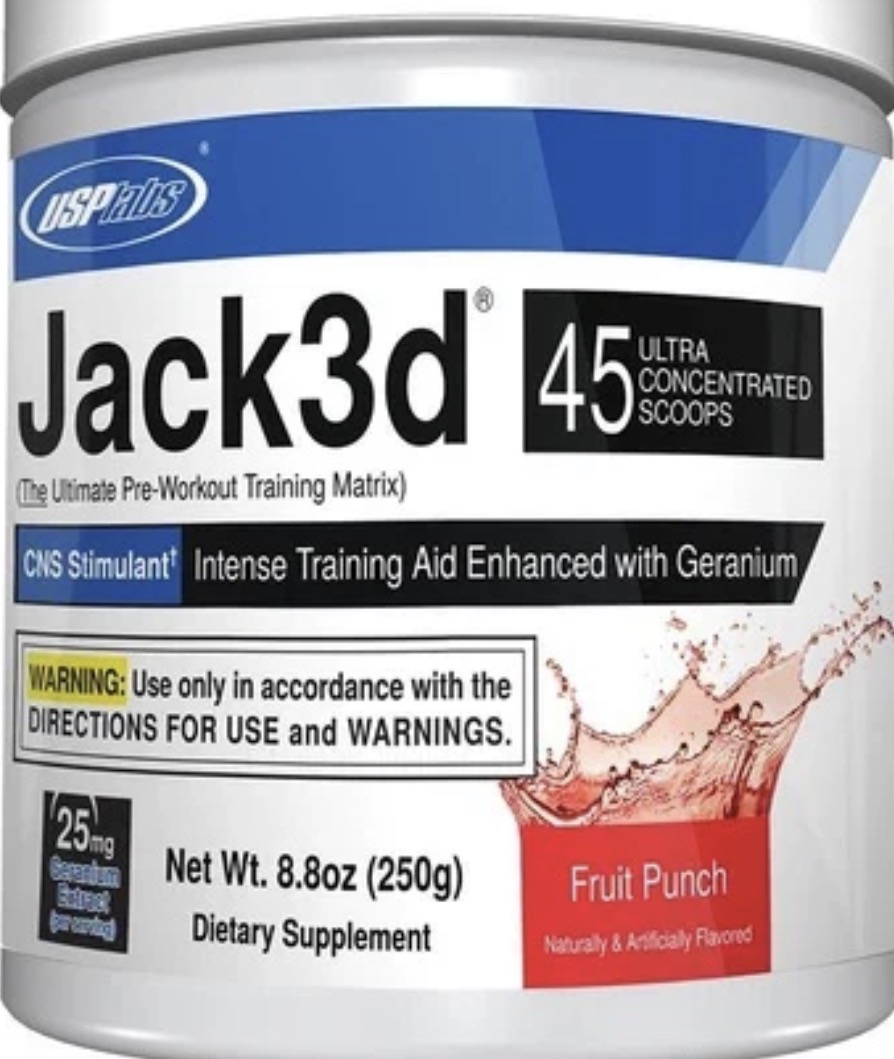
Jack3d-Style Pre-Workout
Some older or reformulated products are associated with DMAA history. Check labels for DMAA, methylhexanamine, or “geranium” claims.
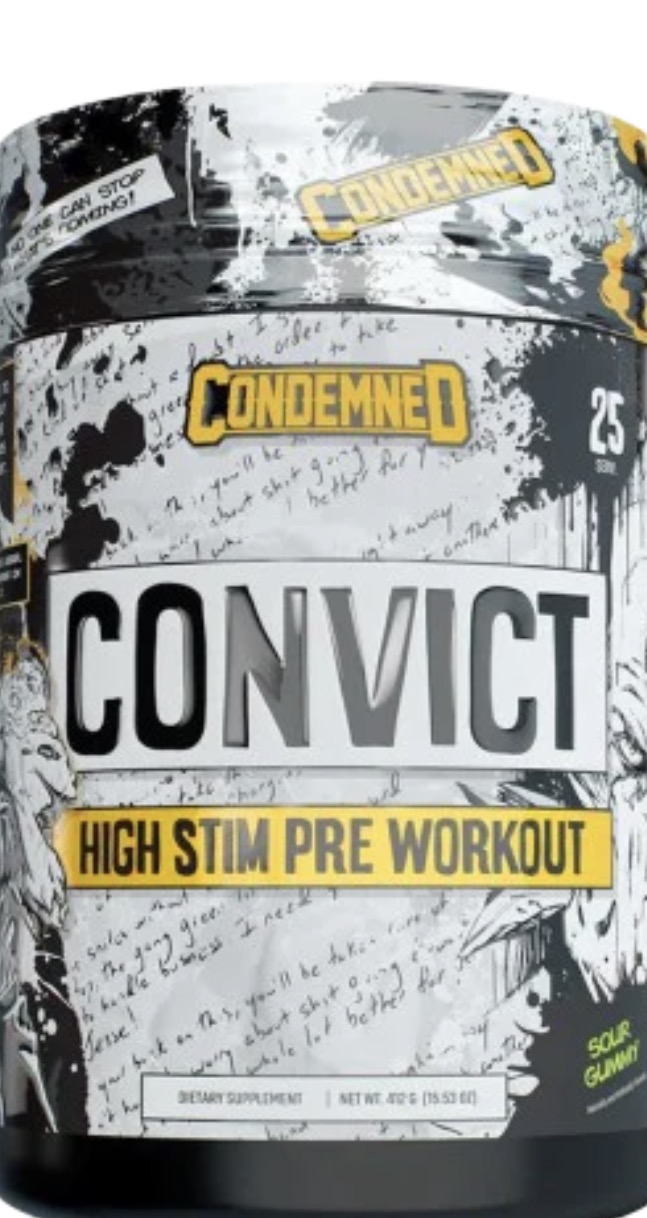
High-Stim Pre-Workout Branding
Aggressive branding may signal a product designed for stronger stimulant effects.
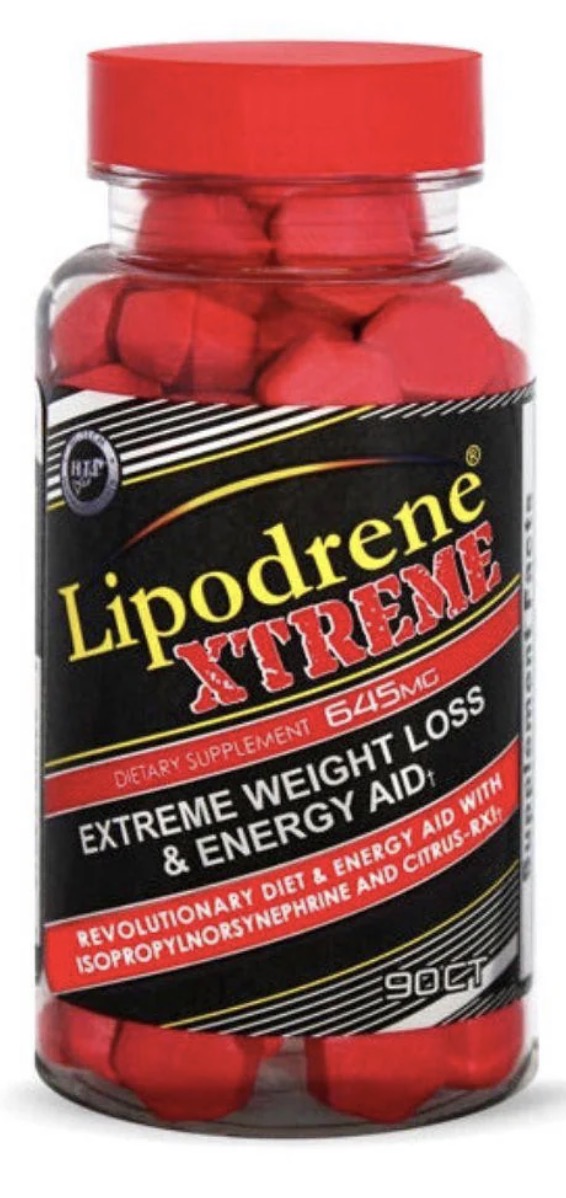
Weight-Loss and Stimulant Product
Fat-loss products may contain caffeine, yohimbine, synephrine, or other stimulant-related ingredients.
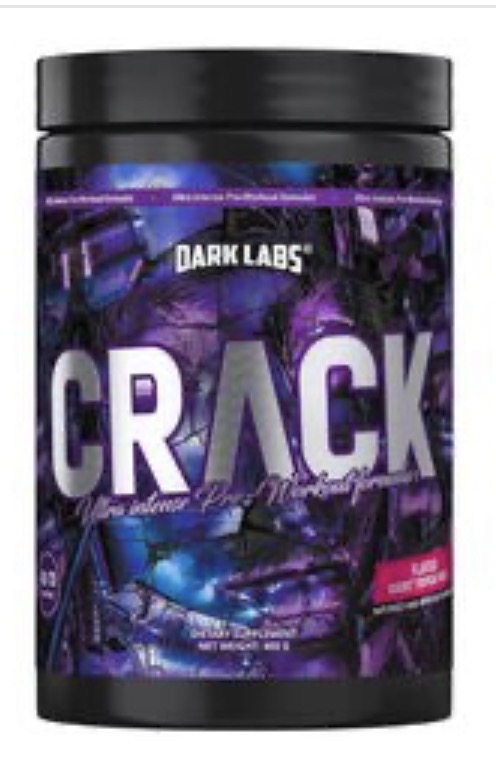
Drug-Themed Pre-Workout Branding
Drug-referencing names should prompt closer review of the ingredient list and warning labels.
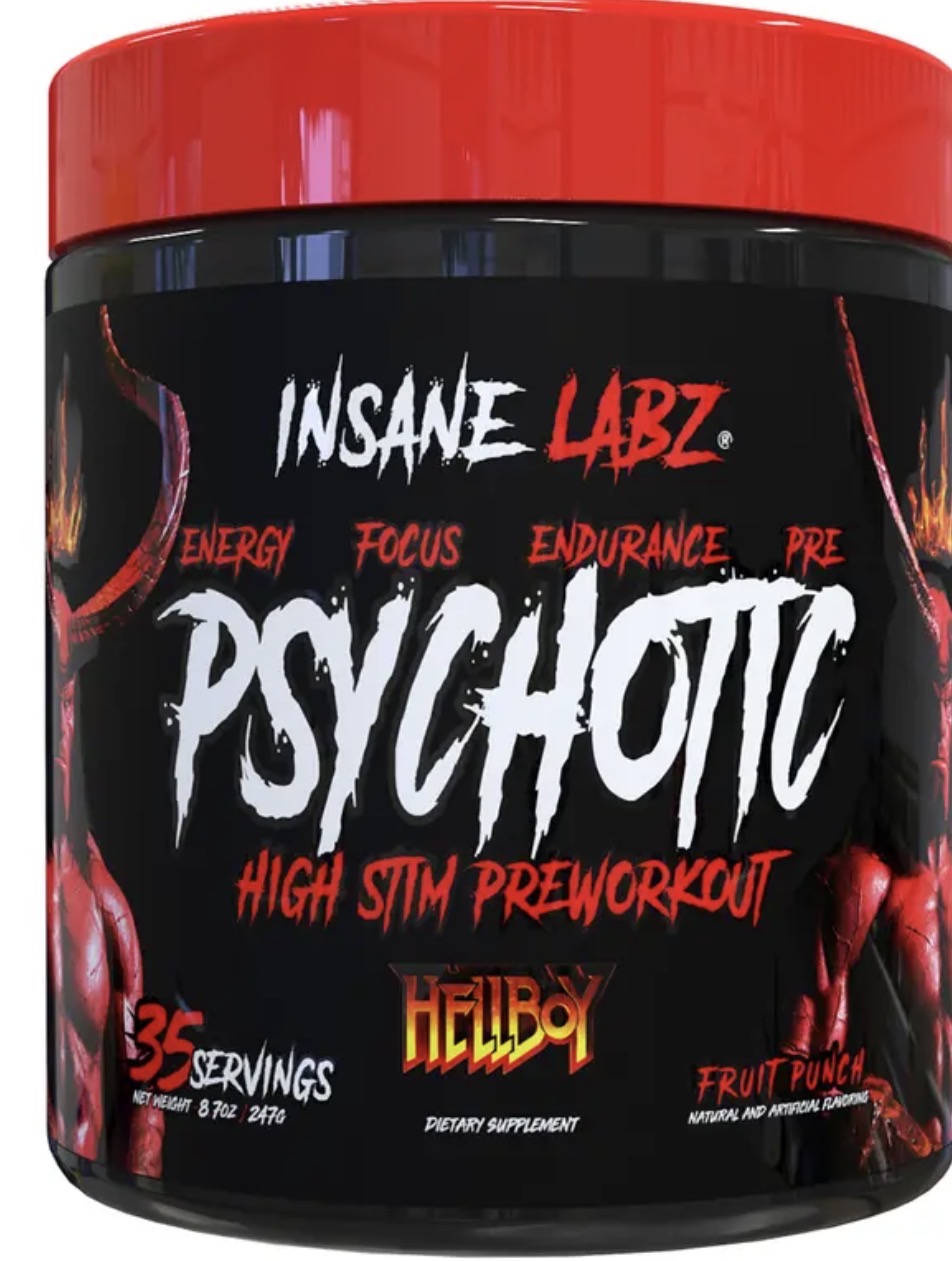
Extreme Performance Branding
“High stim,” “extreme,” or aggressive labels may indicate a higher-risk stimulant profile.
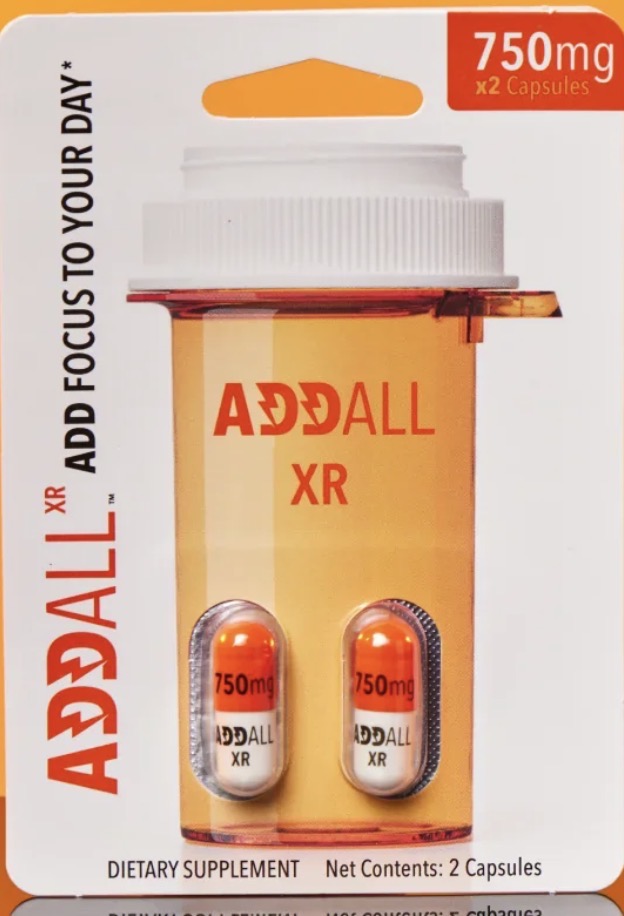
Focus-Style Stimulant Capsules
Products that mimic prescription-drug branding can mislead consumers about safety and strength.
The warning is simple: do not judge safety by the word “supplement.” Check for caffeine dose, stimulant stacks, DMAA/DMHA names, yohimbine, synephrine, proprietary blends, drug-testing risk, and warnings about heart, blood pressure, anxiety, pregnancy, medications, and other caffeine use.
What to look for in your neighborhood
Red flags on labels
- Products labeled “high stim,” “extreme,” “ultra concentrated,” “hardcore,” “maximum strength,” “fat burner,” or “pre-workout.”
- Names or graphics that reference drugs, aggression, violence, or risk-taking.
- Ingredients such as DMAA, DMHA, 1,3-dimethylamylamine, methylhexanamine, 2-aminoisoheptane, octodrine, geranium extract, yohimbine, rauwolscine, synephrine, hordenine, DMBA, or large caffeine doses.
- “Proprietary stimulant blend” or unclear ingredient amounts.
- Labels warning against use with caffeine, stimulants, heart conditions, blood pressure problems, anxiety, pregnancy, or medications.
- Products sold near energy shots, energy drinks, weight-loss pills, sexual enhancement pills, kratom, or other psychoactive retail products.
What communities can do
- Take clear photos of the front label, ingredient panel, warning panel, lot number, and shelf display.
- Warn schools, athletic coaches, gyms, parent groups, recovery groups, and youth sports organizations about high-stim pre-workout risks.
- Report products listing DMAA or DMHA to FDA MedWatch and local health departments.
- Report deceptive marketing to the FTC: reportfraud.ftc.gov
- For urgent symptoms or poison questions, call Poison Control at 1-800-222-1222.
- Ask local and state officials to review retail sale, labeling, athlete warnings, product testing, and enforcement gaps.