Energy
Shots
Energy shots are small bottles that can contain a large dose of caffeine, plus ingredients such as taurine, amino acids, B vitamins, guarana, yerba mate, or other stimulant-related compounds.
Energy shots are small, but the caffeine dose can be large.
Many energy shots are sold in 2-ounce bottles. Some contain about 200 to 230 milligrams of caffeine in one bottle. For comparison, FDA cites 400 milligrams per day as an amount not generally associated with negative effects for most healthy adults, but some people feel side effects at much lower amounts.
The small size can make the product feel harmless. But one or two bottles can quickly add up, especially when someone is also drinking coffee, soda, tea, pre-workout products, or other caffeinated beverages.
Concentrated caffeine.
A small bottle may contain as much caffeine as a large coffee.
Serving size matters.
Some labels recommend half a bottle. Drinking the whole bottle, or more than one, raises the risk of side effects.
Children and teens are different.
The American Academy of Pediatrics says caffeine and other stimulants in energy drinks have no place in children’s and adolescents’ diets.
Alcohol mixing is dangerous.
Caffeine does not sober a person up. It can make someone feel more awake while still impaired.
Energy shots, explained in plain English
Energy shots are concentrated caffeine products. The concern is not one occasional shot for every adult. The concern is high caffeine in a small bottle, multiple products in one day, youth use, heart symptoms, sleep disruption, anxiety, and mixing with alcohol or other stimulants.
What is in an energy shot?
Most energy shots contain caffeine, B vitamins, amino acids, and a blend of other ingredients. Some include caffeine-containing sources such as guarana, yerba mate, green tea extract, or coffee extract.
Labels may use phrases such as “energy blend” or “proprietary blend.” This can make it harder to understand the amount of each ingredient, so families should look first for total caffeine per bottle.
Why should families be concerned?
Energy shots are easy to drink quickly because the bottle is small. People may underestimate how much caffeine they consumed.
- Fast intake: A small bottle can be swallowed in seconds.
- Side effects: Too much caffeine can cause shakiness, anxiety, trouble sleeping, headache, stomach upset, fast heartbeat, and palpitations.
- Stacking caffeine: Risk increases when energy shots are combined with coffee, energy drinks, pre-workout powders, diet pills, or stimulant medications.
- Alcohol mixing: Caffeine can make a person feel more alert while alcohol still impairs judgment and coordination.
Where are energy shots sold?
Energy shots are widely sold in gas stations, convenience stores, grocery stores, supplement shops, gyms, truck stops, vape shops, and online.
Because they are small, common, and easy to buy, many people view them as routine products instead of concentrated caffeine products.
What is concerning about drug-themed or extreme branding?
Some stimulant products use names or imagery that suggest drug culture, extreme performance, risk-taking, or “maximum strength.” That kind of branding can attract people who are looking for a stronger effect.
The product name is not the safety measure. The important questions are: how much caffeine is in the bottle, how many servings are in it, what other stimulant-related ingredients are included, and who is using it?
How much caffeine is too much?
FDA cites 400 milligrams of caffeine per day as an amount not generally associated with negative effects for most healthy adults. That is not a recommended target, and it does not apply to everyone.
Children, teens, pregnant people, people with heart conditions, people with anxiety disorders, and people who are sensitive to caffeine may have side effects at lower amounts.
What does “natural caffeine” mean?
“Natural caffeine” usually means caffeine from a plant source, such as coffee, green tea, guarana, or yerba mate.
Natural caffeine is still caffeine. It can still cause insomnia, anxiety, shakiness, stomach upset, fast heartbeat, palpitations, and caffeine withdrawal.
Are B vitamins in energy shots helpful?
B vitamins are important nutrients, but they do not make a high-caffeine product risk-free. Most people get enough B vitamins through food or ordinary supplements.
The “energy” effect people feel from these products usually comes mainly from caffeine, not vitamins.
What are signs of too much caffeine?
Warning signs can include nervousness, shakiness, headache, nausea, vomiting, diarrhea, chest discomfort, fast or irregular heartbeat, confusion, panic, severe insomnia, or seizures.
Call 911 for severe symptoms such as chest pain, fainting, seizure, severe confusion, or an irregular heartbeat. For urgent poison questions, call Poison Control at 1-800-222-1222.
What about mixing energy shots with alcohol?
CDC warns that caffeine does not reduce the effects of alcohol on the body. It can make someone feel more awake while still impaired, which may lead to more drinking and more risky decisions.
Feeling alert is not the same as being sober.
Energy shots on retail shelves
These bottles may look small and routine, but they can contain concentrated caffeine. The key questions are caffeine amount, serving size, added stimulant-related ingredients, warning labels, and who is using them.
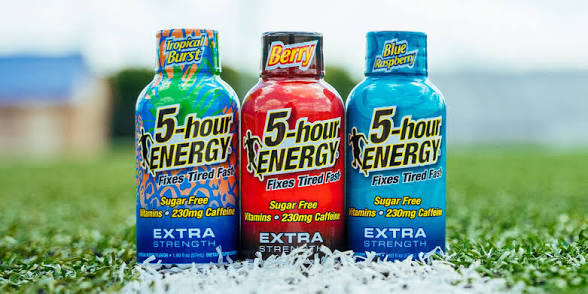
Extra Strength Energy Shot
Some extra-strength shots contain about 230 mg of caffeine per bottle. Labels may recommend a smaller serving than the full bottle.
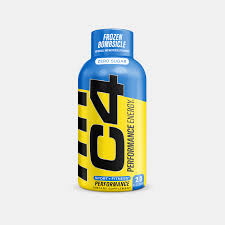
Performance-Style Energy Shot
Athletic or performance branding can make a concentrated caffeine product feel routine.
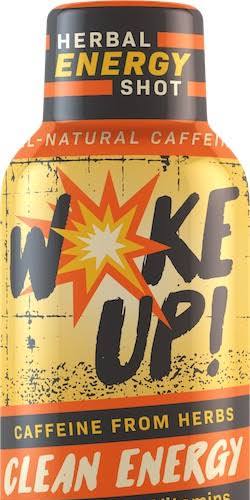
Herbal Energy Shot
“Natural caffeine” still means caffeine. Plant-source caffeine can still cause side effects.
The warning is simple: do not judge the risk by bottle size. Check caffeine per bottle, serving instructions, added caffeine sources, and warnings for children, pregnancy, caffeine sensitivity, heart conditions, anxiety, and alcohol use.
What to look for in your neighborhood
Red flags on labels
- Small bottles with 200 mg or more caffeine.
- Labels that recommend half a bottle but package the product as a single small container.
- Words such as “extra strength,” “maximum strength,” “extreme,” “fast,” or “performance.”
- “Energy blend,” “proprietary blend,” or unclear ingredient amounts.
- Added caffeine sources such as guarana, yerba mate, green tea extract, coffee extract, or caffeine anhydrous.
- Warnings that are missing, hard to read, or unclear about children, pregnancy, caffeine sensitivity, heart conditions, anxiety, and alcohol mixing.
What communities can do
- Teach families to check caffeine per bottle, not just bottle size.
- Warn schools, parent groups, sports coaches, youth groups, and community organizations about concentrated caffeine products.
- Encourage stores and schools not to market energy shots to children or teens.
- Report deceptive marketing to the FTC: reportfraud.ftc.gov
- Report serious adverse events to FDA MedWatch and call Poison Control at 1-800-222-1222 for urgent poison questions.
- Ask local and state officials to review caffeine labeling, youth marketing, and warning-label gaps.