Energy
Drinks
Energy drinks can contain large amounts of caffeine, plus ingredients such as guarana, taurine, ginseng, amino acids, and herbal extracts. For children, teens, pregnant people, and sensitive adults, the risks can be easy to underestimate.
Energy drinks are marketed like everyday beverages, but they are not the same as ordinary soft drinks.
Many energy drinks contain 100 to 300 milligrams of caffeine per container. Some contain more. Labels may also list guarana, yerba mate, taurine, ginseng, B vitamins, amino acids, or “energy blend” ingredients. Guarana and yerba mate can add additional caffeine.
FDA cites 400 milligrams of caffeine per day as an amount not generally associated with negative effects for most healthy adults, but sensitivity varies. That adult guidance should not be treated as a safe target for children or teens.
High caffeine levels.
One can may contain as much caffeine as several cups of coffee, depending on brand and size.
Children and teens are different.
The American Academy of Pediatrics says caffeine and other stimulants in energy drinks have no place in children’s and adolescents’ diets.
Sleep and anxiety can worsen.
High caffeine intake can cause shakiness, anxiety, irritability, sleep disruption, stomach upset, and headaches.
Alcohol mixing is dangerous.
Caffeine does not sober a person up. It can make someone feel more alert while still impaired.
Energy drinks, explained in plain English
Energy drinks are highly caffeinated products. The concern is not one occasional drink for every adult. The concern is high caffeine, large cans, multiple servings, youth use, sleep disruption, heart symptoms, and mixing with alcohol or other stimulants.
What makes energy drinks different from soda or coffee?
Energy drinks often contain more caffeine than soda and may contain other stimulant-related ingredients. Some cans are large, and some products contain multiple servings.
Coffee is usually consumed as coffee. Energy drinks are often marketed with performance, gaming, sports, extreme, or social branding, which can encourage repeated or rapid use.
Why should families be concerned?
Children and teens are more vulnerable to caffeine’s effects. High caffeine can affect sleep, mood, heart rate, blood pressure, and anxiety.
- Heart symptoms: Fast heartbeat, palpitations, chest discomfort, and higher blood pressure can occur, especially in sensitive people.
- Mental health effects: Caffeine can worsen anxiety, panic symptoms, irritability, and sleep problems.
- School and driving concerns: Poor sleep and caffeine crashes can affect concentration, mood, reaction time, and judgment.
- Dependence: Regular caffeine use can lead to headaches, fatigue, irritability, and trouble concentrating when someone stops.
Where are these sold?
Energy drinks are widely sold in gas stations, convenience stores, grocery stores, vending machines, gyms, supplement shops, vape shops, and online.
Because they are common and easy to buy, many young people may view them as ordinary beverages rather than high-caffeine products.
What is concerning about drug-themed branding?
Some products have used names or branding that reference drugs, intoxication, extreme performance, or risk-taking. That kind of branding can normalize risky ideas and attract younger or thrill-seeking consumers.
A product’s name does not tell you whether it is safe. The key questions are: how much caffeine is in the container, how many servings are in it, and what other stimulant ingredients are included?
What about “energy blends”?
Some labels use phrases like “energy blend,” “performance blend,” or “proprietary blend.” This can make it harder to understand how much of each ingredient is present.
Families should look for the total caffeine amount per container, not just per serving. Also check for caffeine-containing ingredients such as guarana, yerba mate, green tea extract, or coffee extract.
How much caffeine is too much?
For most healthy adults, FDA cites 400 milligrams per day as an amount not generally associated with negative effects. Some people feel side effects at much lower amounts.
Children and teens should not use energy drinks. For young people, caffeine can interfere with sleep, anxiety, school performance, and heart symptoms.
Are “natural” or “clean” energy drinks safer?
Not automatically. “Natural caffeine” is still caffeine. Caffeine from guarana, yerba mate, green tea, or coffee extract can still cause side effects.
“Clean,” “plant-based,” “zero sugar,” or “fitness” branding does not remove the need to check caffeine amount, serving size, and warning labels.
What about combining energy drinks with alcohol?
Mixing caffeine with alcohol is risky. CDC warns that caffeine does not reduce the effects of alcohol on the body. It can mask signs of impairment and may lead to more drinking, injury, and risky decisions.
Feeling awake is not the same as being sober.
Energy drinks on retail shelves
These products may look like ordinary beverages, sports drinks, or fitness products. The main concerns are caffeine amount, serving size, youth appeal, alcohol mixing, and unclear stimulant-related ingredients.
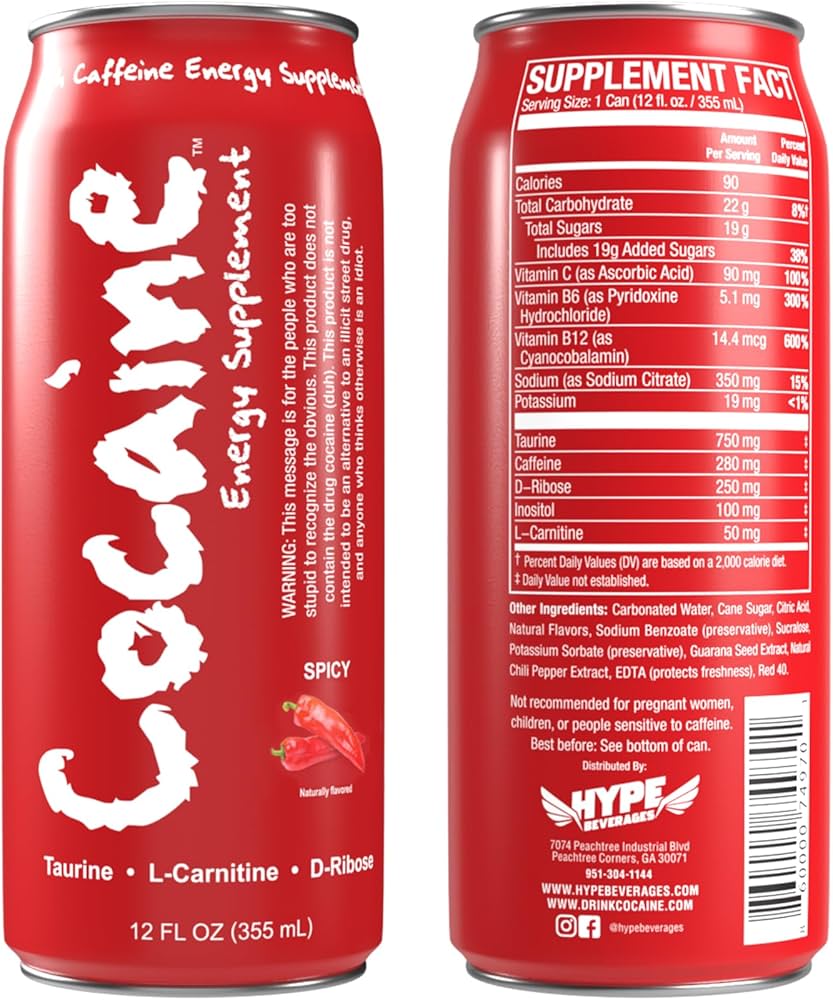
Drug-Themed Energy Drink Branding
Drug-referencing names can normalize risky marketing. Always check caffeine amount, serving size, and warning labels.
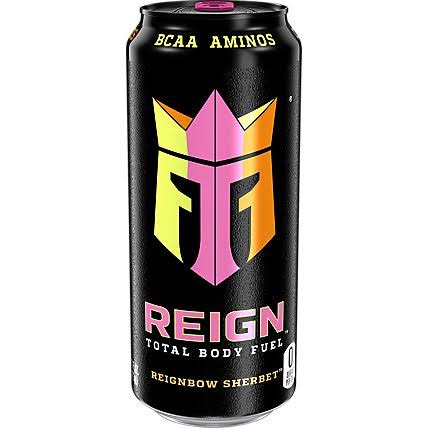
Fitness-Style Energy Drink
Fitness branding can make a high-caffeine product seem safer. Caffeine content still matters.
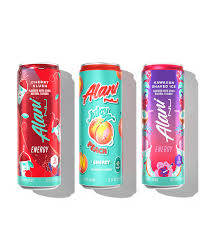
Sleek Energy Drink Packaging
Modern packaging may look routine, but consumers should still check caffeine amount and serving size.
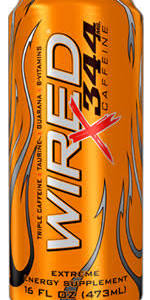
Extreme or Performance Branding
“Extreme” or performance language can encourage repeated use or use before activity without considering side effects.
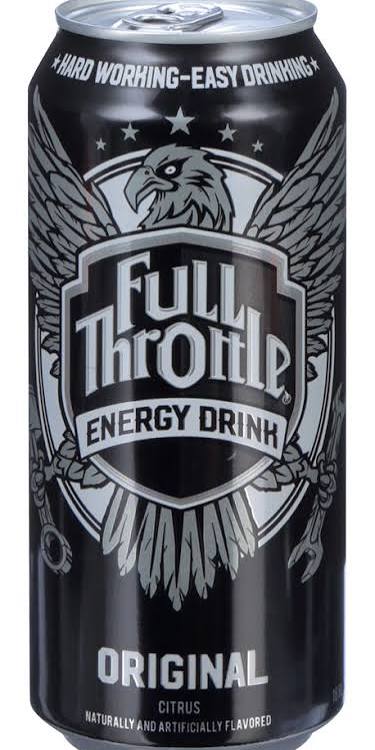
Large-Can Energy Drink
Larger containers can make it easy to consume more caffeine than intended.
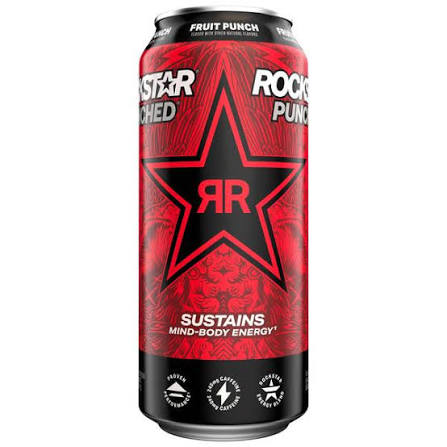
Fruit-Flavored Energy Drink
Sweet flavors and colorful branding can make high-caffeine products feel like ordinary beverages.
The warning is simple: do not treat energy drinks like ordinary soft drinks. Check caffeine per container, watch for added caffeine sources, avoid use by children and teens, and never rely on caffeine to offset alcohol impairment.
What to look for in your neighborhood
Red flags on labels
- Products with 200 mg or more caffeine per container.
- Large cans or bottles that contain more than one serving.
- Labels that list “energy blend,” “performance blend,” or “proprietary blend” without clear ingredient amounts.
- Added caffeine sources such as guarana, yerba mate, green tea extract, coffee extract, or caffeine anhydrous.
- Branding that uses drug references, extreme performance claims, or risk-taking themes.
- Warnings that are missing, hard to read, or unclear about children, pregnancy, caffeine sensitivity, heart conditions, and alcohol mixing.
What communities can do
- Teach families to check total caffeine per container, not just per serving.
- Warn schools, parent groups, sports coaches, youth groups, and community organizations about high-caffeine products.
- Encourage stores and schools not to market energy drinks to children or teens.
- Report deceptive marketing to the FTC: reportfraud.ftc.gov
- Report serious adverse events to FDA MedWatch and call Poison Control at 1-800-222-1222 for urgent poison questions.
- Ask local and state officials to review caffeine labeling, youth marketing, and warning-label gaps.