Phenibut
Hidden Sedative
Phenibut is a powerful psychoactive substance that may appear in products marketed for sleep, relaxation, mood, stress, or focus. Many consumers do not realize it can cause dependence, overdose, and severe withdrawal.
Phenibut is not a lawful dietary ingredient, but it has appeared in products labeled as supplements.
Phenibut is a synthetic substance developed in the former Soviet Union and used in some countries for anxiety, sleep, and related conditions. In the United States, FDA has stated that phenibut does not meet the legal definition of a dietary ingredient. Products labeled as dietary supplements that list phenibut as a dietary ingredient are considered misbranded.
Phenibut may be sold in capsules, powders, tablets, and liquid shots. Labels may use calming or performance-style claims, but the real risks include heavy sedation, confusion, loss of consciousness, slowed breathing, dependence, and withdrawal.
It can look routine.
Capsules, powders, and shots may appear similar to ordinary sleep, mood, or relaxation products.
It may be sold openly.
Products may appear online or in some retail settings, including smoke shops, vape shops, supplement stores, and convenience-style retail.
It hides behind vague claims.
“Relaxation,” “sleep,” “mood,” “stress,” and “focus” claims may not clearly warn about dependence or withdrawal.
Withdrawal can be severe.
Reports describe anxiety, insomnia, agitation, hallucinations, delirium, and seizures after stopping regular use.
Phenibut, explained in plain English
Phenibut is not a vitamin. It is a brain-active substance that can make people feel calm, sleepy, intoxicated, or impaired. Regular use can lead to dependence, and stopping suddenly can become a medical emergency.
What is phenibut?
Phenibut is a synthetic substance that affects GABA, one of the brain’s main calming systems. This is why it can produce relaxation, drowsiness, reduced anxiety, and intoxication.
It is not FDA-approved as a medicine in the United States. FDA has also stated that phenibut is not a lawful dietary ingredient for supplements.
Why should families and communities care?
Phenibut products may look like ordinary wellness products, but the effects can be much stronger and riskier than people expect.
- It can cause heavy sedation, confusion, poor coordination, and loss of consciousness.
- It can be dangerous when combined with alcohol, opioids, benzodiazepines, sleep medications, kratom, or other sedating products.
- People may become dependent after repeated use.
- Stopping suddenly after regular use can cause severe withdrawal symptoms.
Where is phenibut sold?
Phenibut has been sold online and has appeared in products found in some retail settings, including smoke shops, vape shops, supplement stores, convenience-style stores, and truck stops.
Community members should look for the word “phenibut” on labels, but also be aware that products may use brand names or marketing claims that make the product seem like a routine relaxation or sleep aid.
How is it marketed to look safe?
Phenibut products may use friendly, calming, or wellness-style language:
- “Supports relaxation”
- “Supports restful sleep”
- “Stress support”
- “Mood support”
- “Tranquil body and mind”
- “Focus” or “social ease” claims
These phrases can hide the fact that phenibut may cause impairment, dependence, withdrawal, and overdose.
What does phenibut do to the body?
Phenibut can cause relaxation, drowsiness, dizziness, nausea, poor coordination, confusion, and slowed thinking. Higher doses may cause severe sleepiness, agitation, hallucinations, low body temperature, loss of consciousness, and slowed breathing.
The risk is higher when phenibut is taken with alcohol, opioids, benzodiazepines, sleep medications, kratom, kava, or other sedating substances.
Can phenibut cause dependence?
Yes. With repeated use, the body can become used to phenibut. People may need more to get the same effect, and they may feel sick or mentally unstable when they stop.
Published reports describe withdrawal symptoms such as severe anxiety, insomnia, agitation, hallucinations, delirium, and seizures. Anyone using phenibut regularly should seek medical guidance before stopping suddenly.
Is phenibut legal?
Phenibut is not federally scheduled as a controlled substance in the United States. However, FDA has stated that phenibut does not meet the definition of a dietary ingredient, and products labeled as dietary supplements that list phenibut as a dietary ingredient are misbranded.
Legal availability does not mean a product is safe, approved, accurately labeled, or appropriate for public sale.
What should someone do after a bad reaction?
If someone is very sleepy, confused, hallucinating, having a seizure, breathing slowly, or cannot be awakened, call 911.
For urgent poison questions, call Poison Control at 1-800-222-1222. Keep the package, bottle, or label if possible so medical staff can see what was taken.
Phenibut products online and in retail settings
These products may not look like dangerous sedatives. They may look like sleep aids, relaxation formulas, mood products, or wellness supplements. That is the problem.
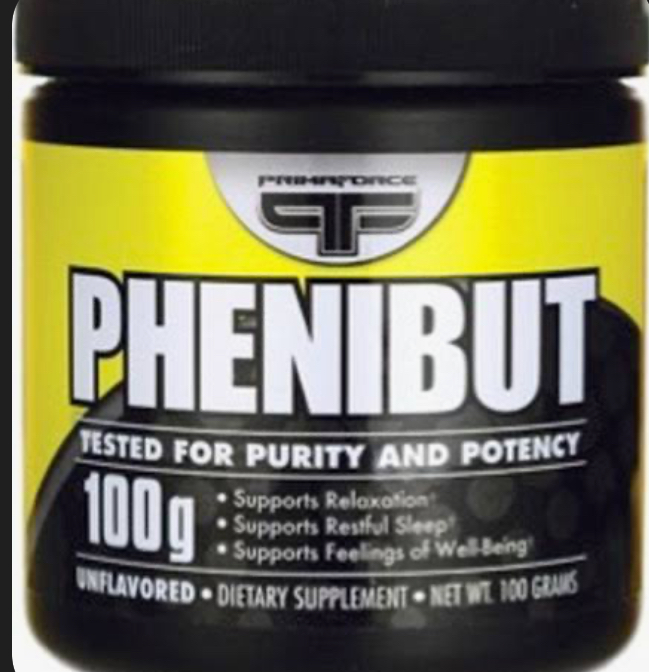
Phenibut Powder
Bulk powder can make dosing difficult and increases the risk of accidental overuse.
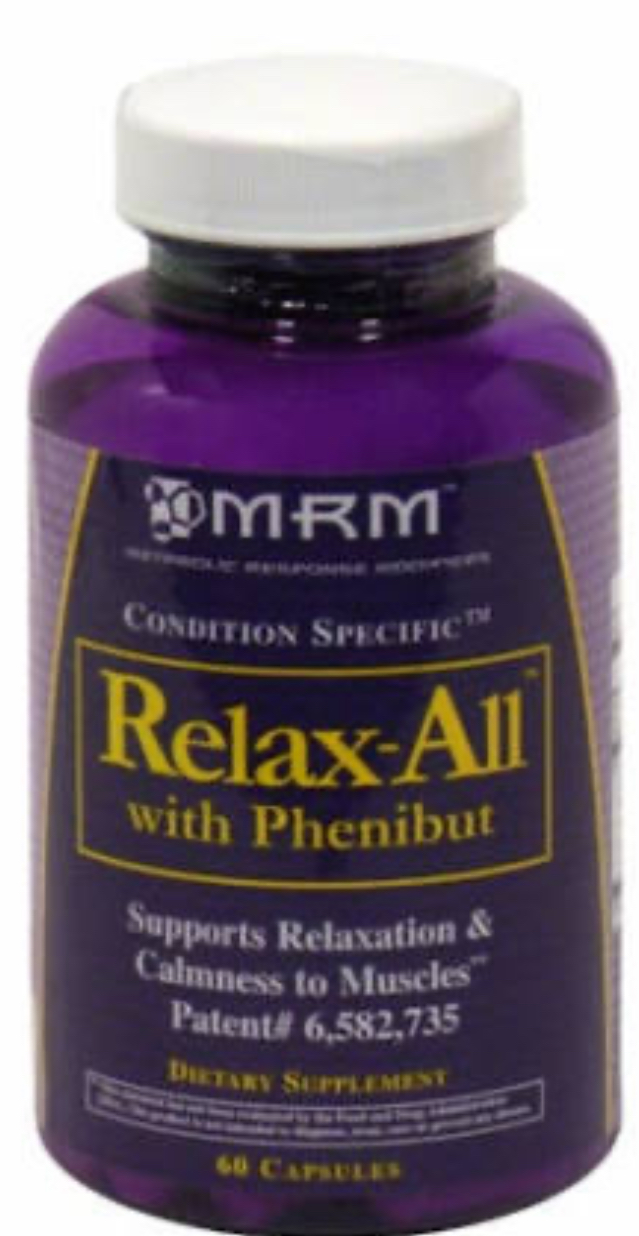
Relaxation Capsules With Phenibut
Calming language can make phenibut look like a gentle supplement, even though it can cause dependence and withdrawal.
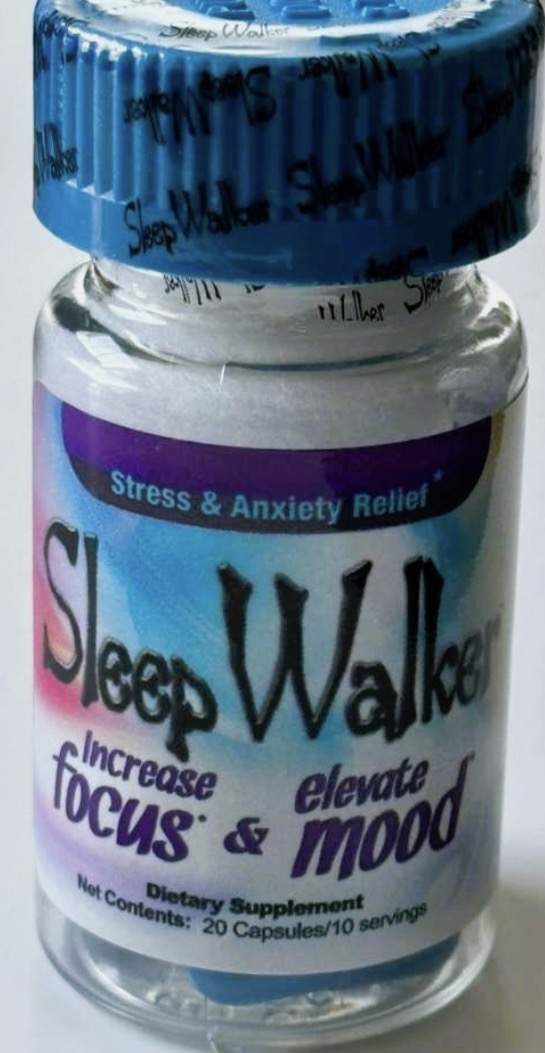
Sleep and Stress Product
Products marketed for sleep, stress, or mood may contain ingredients that impair judgment and coordination.
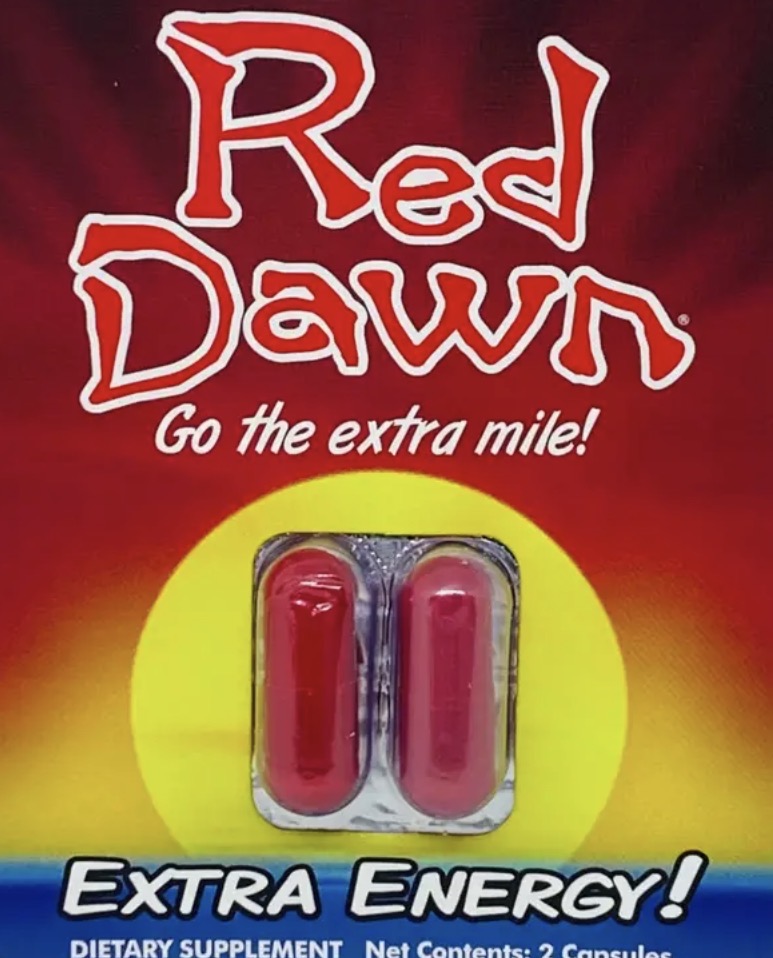
Liquid Shot Product
Liquid products may encourage quick use and make it harder for consumers to judge dose or risk.
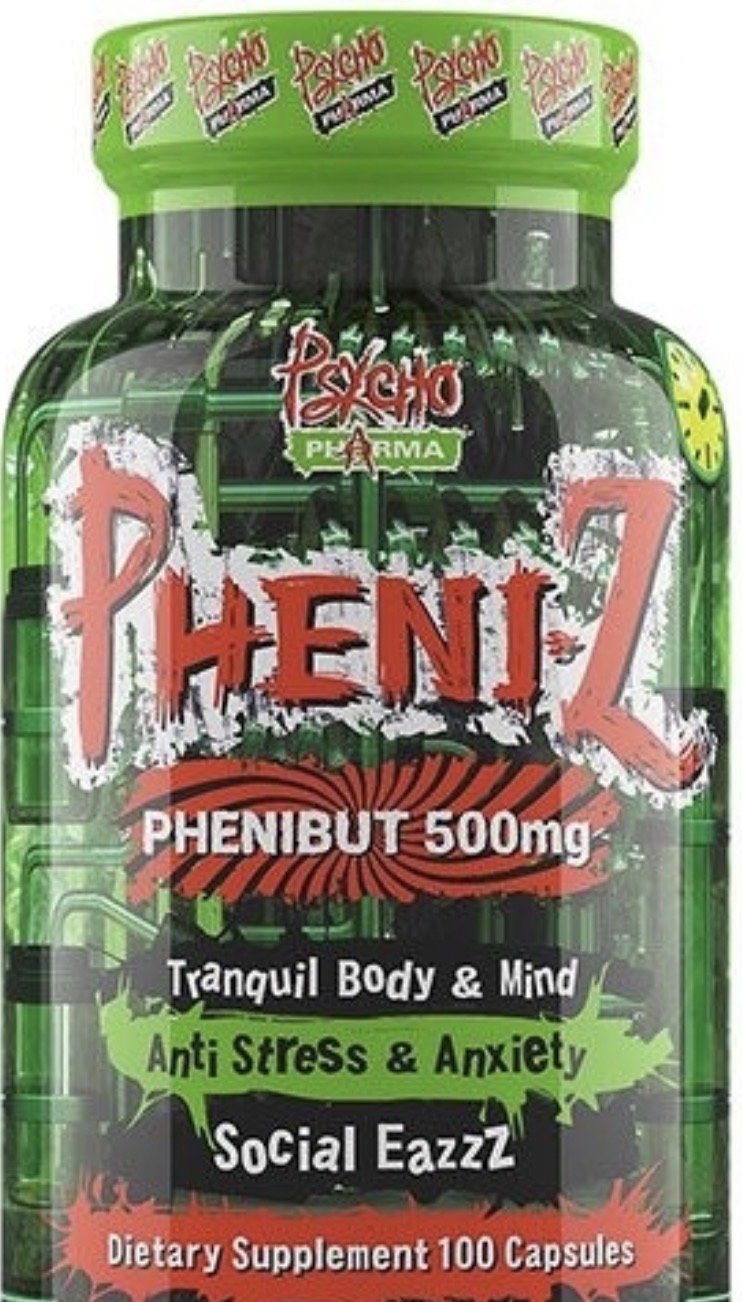
Phenibut Capsules
“Social ease,” “calm,” or “tranquil” claims can hide serious withdrawal and overdose concerns.
The danger is not only the ingredient. It is the way phenibut can be presented as ordinary sleep, mood, stress, or relaxation support without clear warnings about dependence, withdrawal, impaired driving, overdose, or drug interactions.
What to look for in your neighborhood
Red flags on labels
- Products listing “phenibut,” “β-phenyl-GABA,” “phenyl-GABA,” “4-amino-3-phenylbutyric acid,” or similar names.
- Capsules, powders, tablets, or liquid shots promoted for sleep, relaxation, calm, mood, stress, focus, or social ease.
- Products labeled as “dietary supplements” while listing phenibut as an ingredient.
- Warnings that are missing, vague, or too small to clearly explain dependence, withdrawal, and interaction risks.
- Products sold near kratom, kava, blue lotus, hemp-derived cannabinoids, mushroom blends, or other psychoactive botanicals.
What communities can do
- Take clear photos of the front label, ingredient panel, warnings, lot number, and shelf display.
- Warn schools, parent groups, recovery groups, prevention coalitions, and community organizations.
- For immediate symptoms or accidental exposure, call Poison Control at 1-800-222-1222.
- Report deceptive marketing to the FTC: reportfraud.ftc.gov
- Report serious adverse events to FDA MedWatch and share concerns with local health departments.
- Ask local and state officials to review retail sale, labeling, product testing, and enforcement gaps.