Kava
Sedating
Botanical
Kava is a plant with sedating effects. It is now sold in gas stations, vape shops, smoke shops, and online as gummies, tonics, shots, capsules, and blended products.
Kava is being repackaged as modern retail products with calming, sleep, and wellness claims.
Kava, or Piper methysticum, is a plant traditionally used in Pacific Island cultures. Its active compounds, called kavalactones, can affect the central nervous system and produce relaxation, drowsiness, and impaired coordination.
Modern retail products are often very different from traditional use. Concentrated extracts, gummies, shots, capsules, and blended products may contain unclear doses, added substances, and limited warnings about impairment, liver injury, or drug interactions.
It can look routine.
Gummies, tonics, shots, and capsules may appear similar to ordinary wellness or supplement products.
It is widely available.
Kava products may be sold in gas stations, vape shops, smoke shops, CBD stores, convenience stores, and online marketplaces.
It hides behind wellness language.
“Plant based,” “calm,” “relax,” “sleep,” and “herbal supplement” claims do not prove a product is safe.
It can harm the liver.
FDA and NIH sources warn that kava-containing products have been associated with rare but serious liver injury.
Kava, explained in plain English
Kava is not just a harmless wellness trend. It is a sedating botanical that can impair judgment and coordination, interact with alcohol or medications, and has been linked to serious liver injury.
What is kava?
Kava is made from the roots of Piper methysticum, a plant native to the South Pacific. The active compounds are called kavalactones. Kava has traditionally been prepared as a beverage in cultural and ceremonial settings.
Today, kava is sold in concentrated commercial forms, including gummies, shots, tonics, capsules, extracts, and combination products.
Why should families and communities be concerned?
The concern is not traditional cultural use. The concern is modern retail products that may have concentrated doses, limited warnings, aggressive branding, and combinations with other psychoactive ingredients.
- Misleading forms: Gummies, shots, and bottled products may make a sedating substance appear low-risk.
- Unclear dosing: Labels may not clearly explain kavalactone content, serving size, or impairment risk.
- Interaction risk: Kava may increase sedation when combined with alcohol, opioids, benzodiazepines, sleep medications, kratom, or other sedatives.
- Liver warning: Kava-containing products have been associated with rare cases of serious liver injury, including hepatitis, cirrhosis, liver failure, and death.
Where is kava sold?
Kava products may be sold in gas stations, vape shops, smoke shops, CBD stores, convenience stores, head shops, kava bars, and online. Products may appear near kratom, phenibut, blue lotus, hemp-derived cannabinoids, mushroom blends, or other psychoactive botanicals.
Community members should look for “kava,” “Piper methysticum,” “kavalactones,” and products that combine kava with kratom, kanna, mushrooms, or other mood-altering ingredients.
How is it marketed to look safe?
Kava products often use natural, wellness, relaxation, sleep, or plant-based language. That branding can distract from real risks.
- “Plant based herbal supplement”
- “Relaxation”
- “Calm”
- “Deep sleep”
- “Mood support”
- “Official tonic” or sports-style promotional language
A product can look polished, healthy, or natural and still cause sedation, impairment, or liver-related harm.
What are the effects and risks of kava?
Kava may cause relaxation, drowsiness, reduced anxiety, muscle relaxation, and mild euphoria. It may also cause dizziness, impaired coordination, nausea, headache, and slowed reaction time.
Kava-containing products have been linked to rare but serious liver injury. FDA has warned that kava-containing dietary supplements may be associated with severe liver injury, and NIH sources note reports that include hepatitis, cirrhosis, liver failure, and fatal cases.
Is kava legal?
Kava is not federally scheduled as a controlled substance in the United States. However, legal availability does not mean a product has been reviewed for safety, purity, potency, or accurate labeling.
Some countries have restricted or banned kava products because of liver safety concerns. In the United States, many kava products remain available as dietary supplements or retail botanical products.
What about sports or wellness endorsements?
Sports-style, wellness, or “official tonic” language can imply legitimacy or safety. Consumers may assume the product has been carefully tested or approved for performance settings.
Kava’s sedating effects can impair coordination, reaction time, and judgment. It is not appropriate to present kava as harmless simply because the label looks healthy or professional.
What about kava combined with kratom, kanna, or mushrooms?
Combination products are especially concerning. Kava may be blended with kratom, kanna, mushrooms, hemp-derived cannabinoids, or other psychoactive botanicals. These mixtures can produce unpredictable effects and may increase sedation, nausea, dizziness, and impairment.
Products using names that suggest intoxication, euphoria, or drug-like effects should be treated as major red flags.
Kava products on retail shelves and online
These products may look like wellness tonics, gummies, shots, capsules, or novelty items. The appearance can make the risk easy to miss.
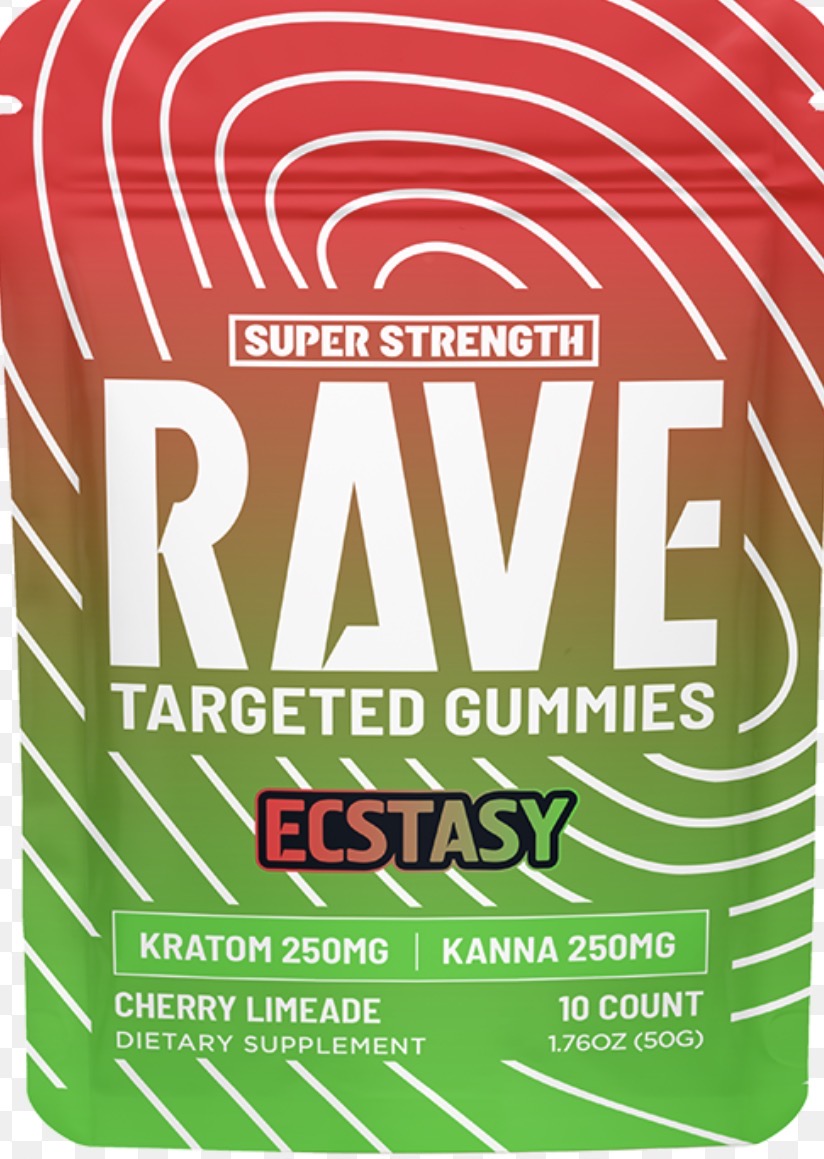
Combination Gummies With Kava
A product combining kratom, kanna, and kava. Multi-ingredient products can increase the risk of unpredictable effects.
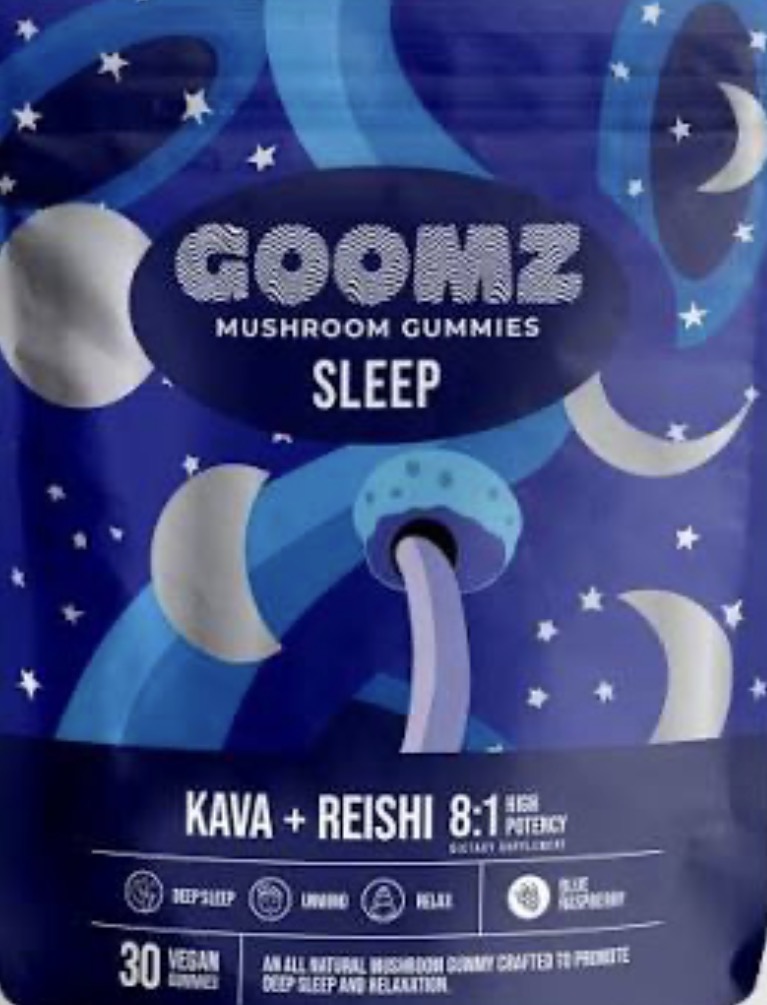
Kava + Mushroom Sleep Gummies
Sleep and relaxation claims can downplay sedation, impairment, and interaction risks.
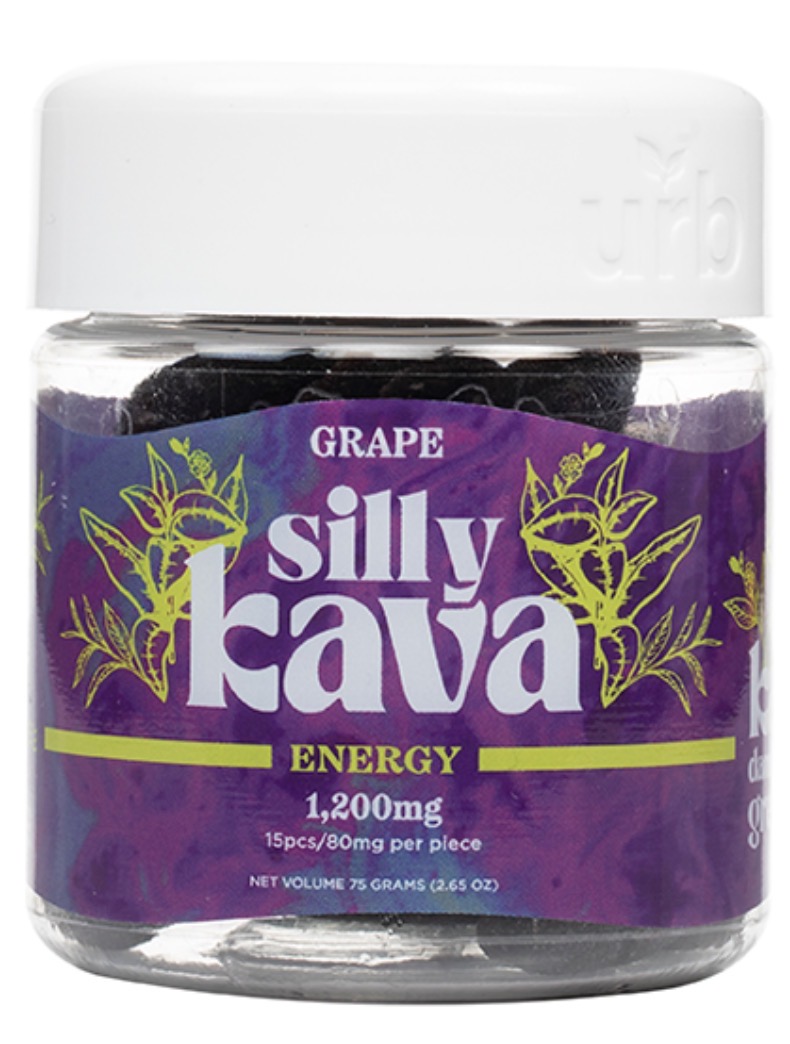
Kava Gummies
Gummies can make a sedating botanical look like a routine consumer product.
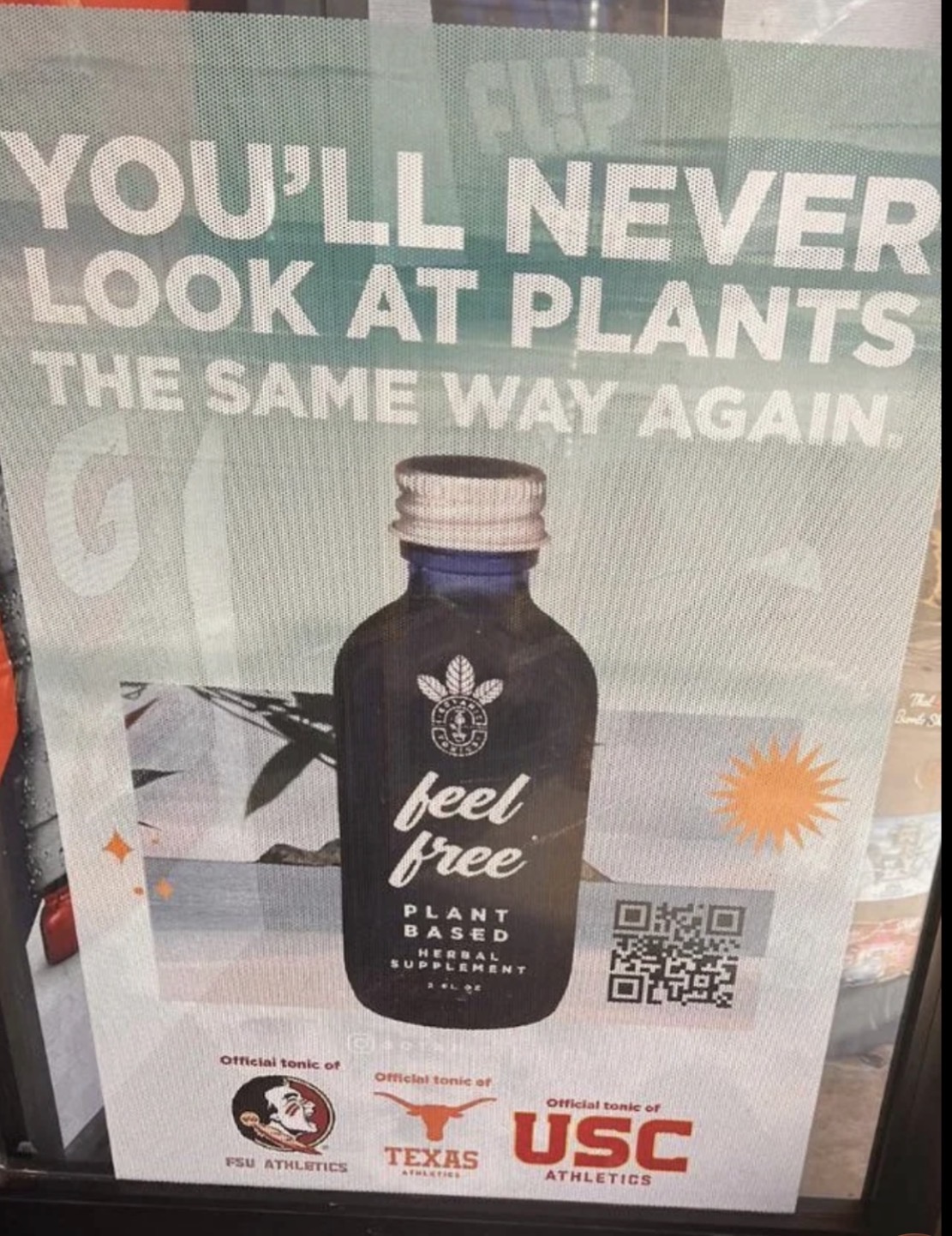
Plant-Based Kava Tonic
Plant-based branding does not remove the need for clear warnings about sedation, impairment, liver injury, and interactions.
Packaging can make kava products look healthy, natural, or routine. Community members should focus on the ingredient, dose transparency, warning labels, product combinations, and whether the product clearly explains impairment, liver, and interaction risks.
What to look for in your neighborhood
Red flags on shelves
- Products labeled “Kava,” “Piper methysticum,” “kavalactones,” or “kava extract.”
- Gummies, tonics, shots, capsules, or blended products claiming “relaxation,” “calm,” “sleep,” or “mood.”
- Products that combine kava with kratom, kanna, mushrooms, hemp-derived cannabinoids, or other psychoactive botanicals.
- Marketing that implies safety through wellness language, athletic branding, or plant-based claims.
- Products sold near kratom, phenibut, blue lotus, hemp products, mushroom blends, or other psychoactive botanicals.
- Labels that do not clearly warn about liver injury, alcohol use, sedating medications, impaired driving, or other drug interactions.
What communities can do
- Take clear photos of the front label, ingredient panel, warnings, lot number, and shelf display.
- Warn schools, parent groups, athletic departments, prevention coalitions, and community organizations about kava gummies, tonics, shots, and blends.
- For immediate symptoms or accidental exposure, call Poison Control at 1-800-222-1222.
- Report deceptive marketing to the FTC: reportfraud.ftc.gov
- Report serious adverse events to FDA MedWatch and share concerns with local health departments.
- Ask local and state officials to review labeling, retail sale, product testing, and enforcement gaps.