Blue Lotus
Psychoactive Plant
Blue lotus is now sold in gas stations, vape shops, smoke shops, and online as gummies, vape products, extracts, and infused edibles. Many consumers do not realize these products can be intoxicating.
Blue lotus is being repackaged as gummies, vapes, and “plant medicine” products.
Blue lotus, also called blue Egyptian lotus or blue water lily, is a psychoactive plant that contains alkaloids such as apomorphine and nuciferine. These compounds may affect dopamine and serotonin pathways, which can influence mood, perception, sedation, and behavior.
Modern retail products are not the same as traditional plant use. Concentrated extracts, disposable vapes, gummies, and blended products can deliver unpredictable doses. Some products may also contain undisclosed substances, including synthetic cannabinoids.
It can look harmless.
Gummies, disposable vape pens, and “infused” products may appear similar to ordinary wellness or novelty products.
It is widely available.
Products may be found in gas stations, vape shops, smoke shops, CBD stores, convenience stores, and online marketplaces.
It hides behind wellness language.
“Plant medicine,” “good dreams,” “calm,” and “ancient herb” branding can make psychoactive products seem safer than they are.
Dosing is uncertain.
Labels may list large milligram amounts, but consumers cannot easily verify potency, serving size, contaminants, or added ingredients.
Blue lotus, explained in plain English
This is a psychoactive botanical being sold in modern retail forms. The concern is concentrated, poorly labeled, or blended products that may cause intoxication, impaired judgment, or unexpected reactions.
What is blue lotus?
Blue lotus is the common name for Nymphaea caerulea, an aquatic plant historically associated with Egyptian ritual use. It contains psychoactive alkaloids, including apomorphine and nuciferine.
Today, companies sell blue lotus in concentrated forms, including gummies, extracts, disposable vape products, and infused edibles. These products may be marketed as relaxing, dreamy, calming, or euphoric.
Why should families and communities be concerned?
The concern is not simply that blue lotus is a plant. The concern is that concentrated products may be sold with minimal warnings, unclear dosing, recreational branding, and little transparency about what is actually inside.
- Misleading forms: Gummies, vapes, and edibles can make psychoactive products appear routine or low-risk.
- Unclear dosing: Milligram claims may not tell consumers how much active alkaloid is present.
- Undisclosed ingredients: Some cases involving “blue lotus” products have also involved synthetic cannabinoids.
- Impairment risk: Reported effects include sedation, altered mental status, confusion, hallucinations, anxiety, and poor judgment.
Where is blue lotus sold?
Blue lotus products may be sold in gas stations, vape shops, smoke shops, CBD stores, head shops, convenience stores, and online. Products may appear near kratom, kava, hemp-derived cannabinoids, mushroom blends, or other psychoactive botanicals.
Brand names and product styles change quickly, so community members should look for the ingredient name “blue lotus,” “Nymphaea caerulea,” “blue Egyptian lotus,” or “blue water lily.”
How is it marketed to look safe?
Blue lotus products often use natural, ancient, wellness, or dream-related language. That branding can distract from the fact that the product may be intoxicating.
- “Plant Medicine”
- “Good Dreams”
- “Relax” or “Calm”
- “Blue Lotus Extract”
- “Vegan” or “Gluten Free” claims that do not address psychoactive risk
A product can look polished, natural, or health-oriented and still carry real risks.
What are the effects and risks?
Reported effects include relaxation, euphoria, drowsiness, dream-like sensations, confusion, anxiety, hallucinations, nausea, chest discomfort, and altered mental status. Case reports describe emergency department visits after blue lotus use, including vaping and infused beverages.
Driving, working, caregiving, or operating machinery after use can be dangerous. Risk may increase when blue lotus is combined with alcohol, cannabis, sedatives, opioids, sleep medications, kratom, kava, or other psychoactive products.
Is it legal?
Blue lotus is not federally scheduled as a controlled substance in the United States. However, legality can vary by state, military rules, institutional policy, and product contents. The Department of Defense lists blue lotus as prohibited for service members.
Legal availability does not mean a product has been reviewed for safety, purity, potency, or accurate labeling.
Are blue lotus vapes especially concerning?
Yes. Vaping delivers substances directly to the lungs, and the long-term effects of inhaling blue lotus extracts are not well studied. Some reported blue lotus intoxication cases involved vaping products.
Vape products also raise a separate concern: some products labeled as blue lotus may contain additional or undisclosed psychoactive substances.
What about products with cannabis-style names?
Names that mimic cannabis, psychedelics, or intoxication are marketing signals. They may attract consumers looking for a legal high while giving little useful information about dose, safety, drug interactions, or added ingredients.
Blended products are especially concerning because blue lotus may be combined with kava, kratom, hemp-derived cannabinoids, mushroom blends, or other psychoactive ingredients.
Blue lotus products on retail shelves and online
These products may look like gummies, wellness products, vape pens, or novelty items. The appearance can make the risk easy to miss.
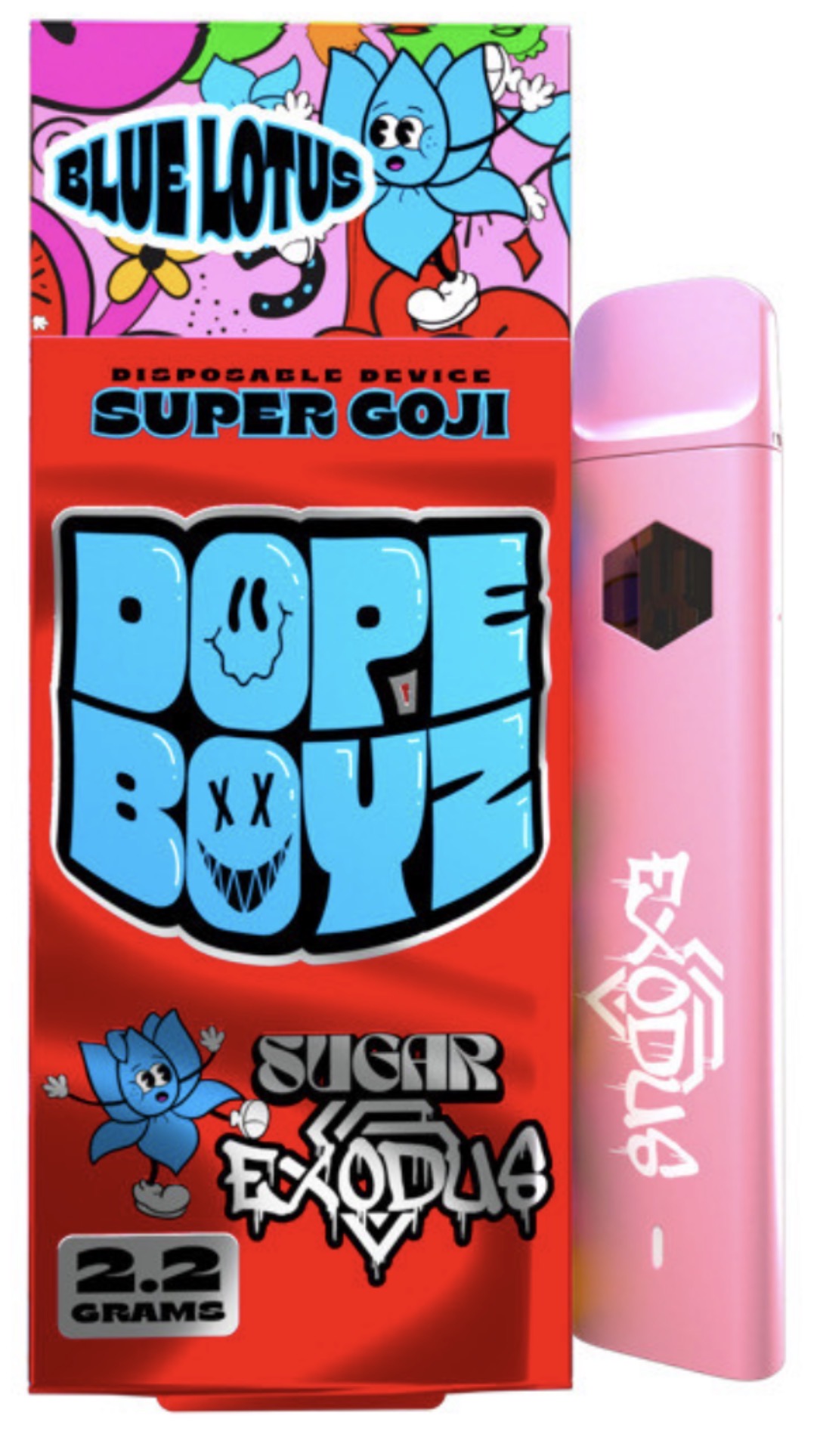
Blue Lotus Disposable Vape
A disposable vape product labeled with blue lotus. Inhaled products raise special concerns because dosing and lung effects are unclear.
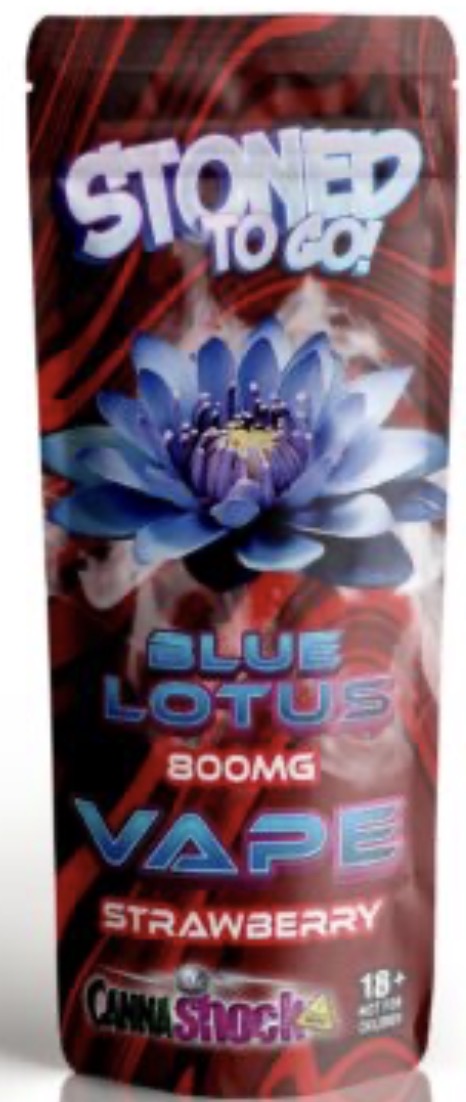
Blue Lotus Vape Product
Recreational branding can signal intoxication while providing little information about safety, potency, or undisclosed ingredients.
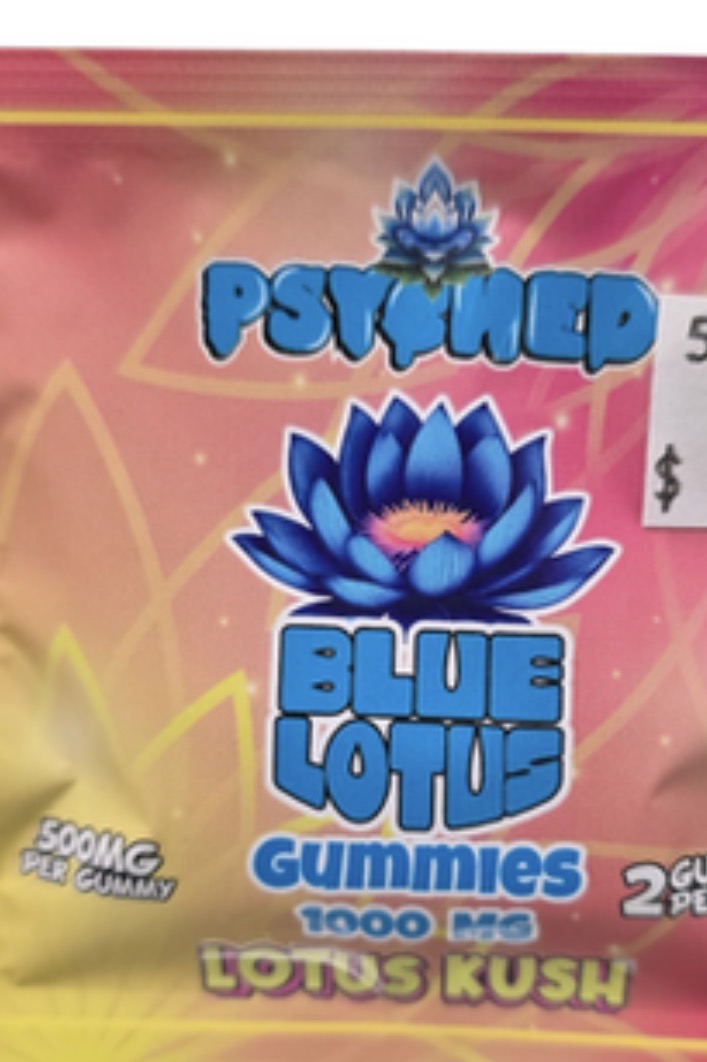
Blue Lotus Gummies and Cannabis-Style Branding
Gummies and cannabis-like names can make psychoactive products seem familiar or routine.
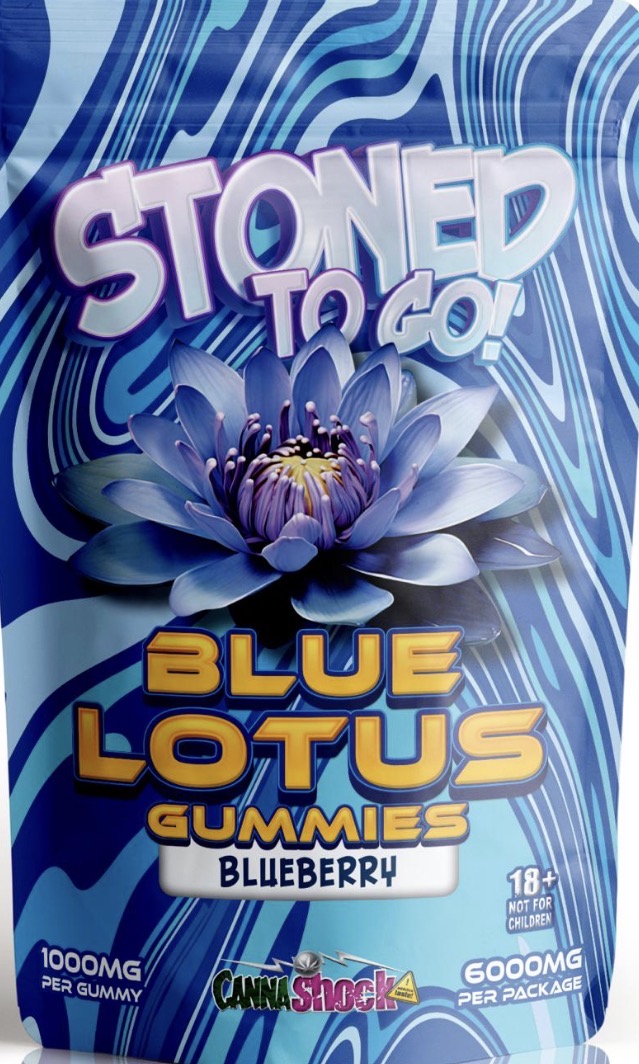
Blue Lotus Gummies
Edible products may list high milligram amounts, but consumers cannot easily verify potency or active alkaloid content.
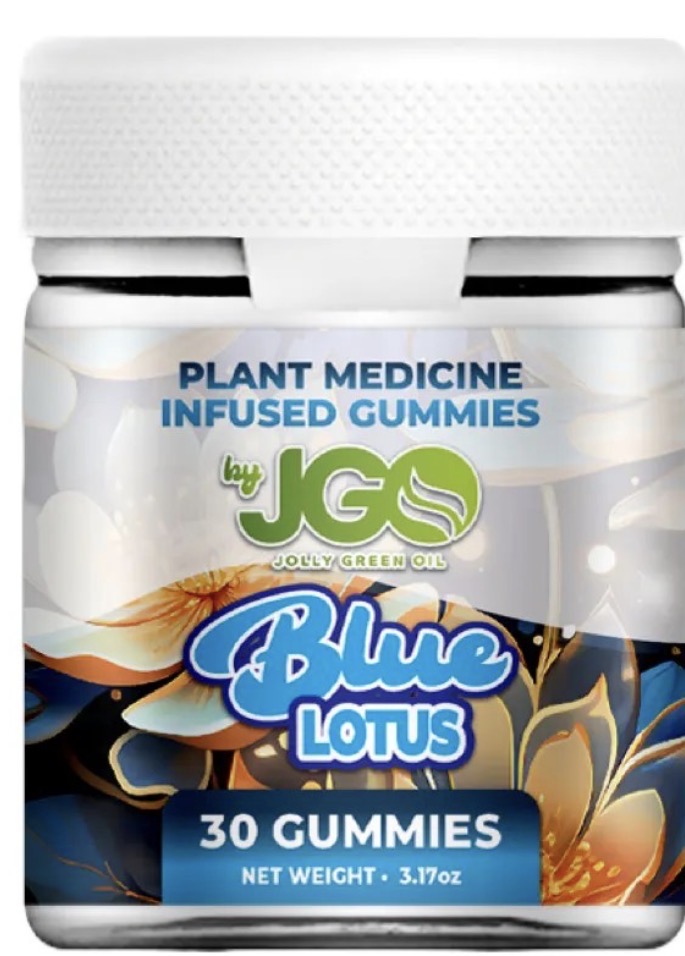
Blue Lotus Infused Gummies
“Plant medicine” language may make a psychoactive product look like a wellness supplement.
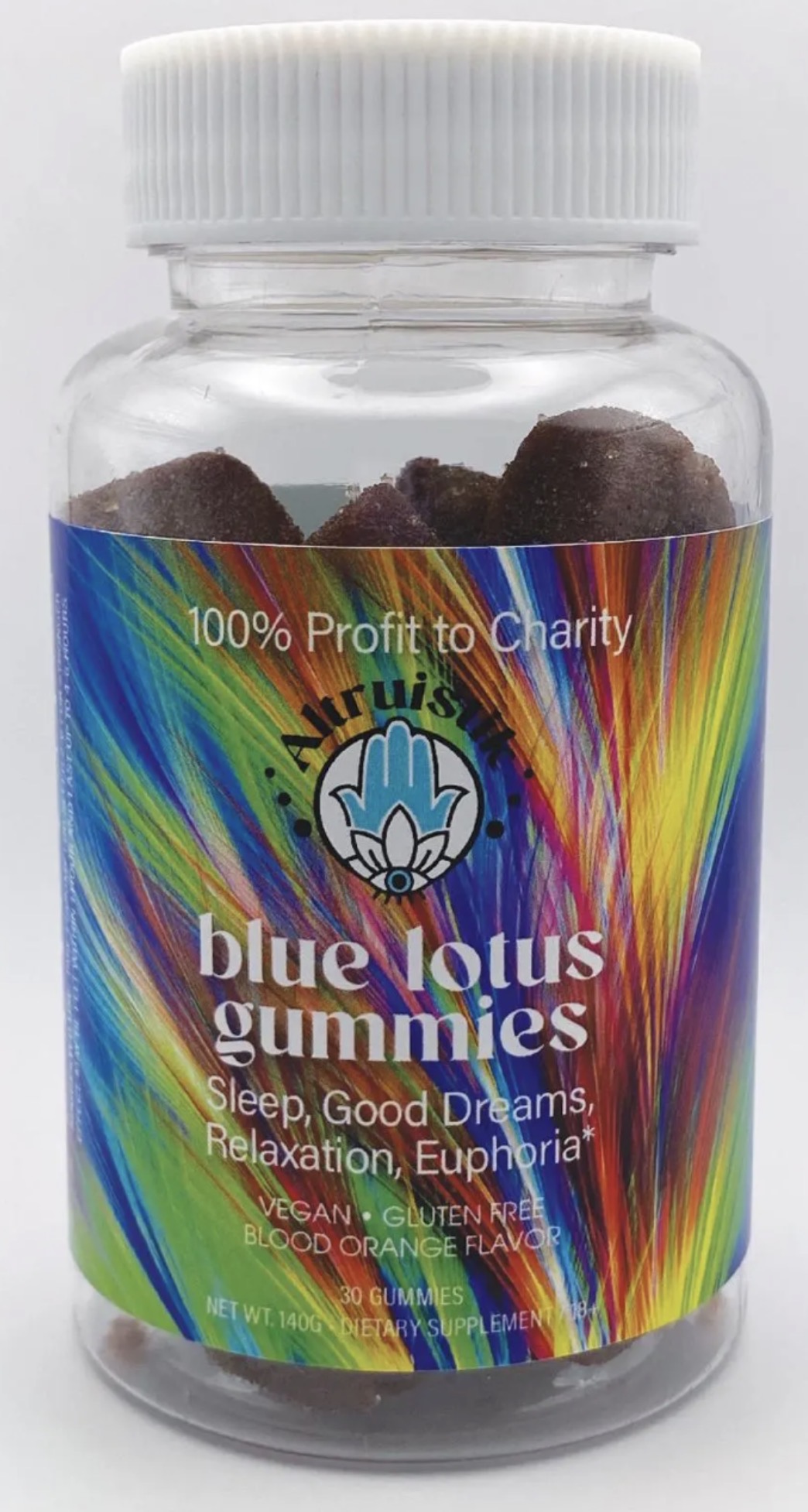
Blue Lotus Gummies With Sleep Claims
Sleep and dream-related claims can downplay impairment, sedation, and interaction risks.
Packaging can make these products look harmless or beneficial. Community members should focus on the ingredient, the product form, the claims, and whether the label clearly warns about impairment, interactions, and undisclosed substances.
What to look for in your neighborhood
Red flags on shelves
- Products labeled “Blue Lotus,” “Nymphaea caerulea,” “Blue Egyptian Lotus,” or “Blue Water Lily.”
- Gummies, vape pens, extracts, tinctures, or infused edibles with psychoactive or dream-related claims.
- Branding that uses words such as “stoned,” “kush,” “psyched,” “dream,” “calm,” or “plant medicine.”
- Large milligram claims without clear active-ingredient testing or safety warnings.
- Products sold near kratom, kava, hemp-derived cannabinoids, mushroom blends, or other psychoactive botanicals.
- Labels that do not clearly warn about sedation, impaired driving, drug interactions, or emergency symptoms.
What communities can do
- Take clear photos of the front label, ingredient panel, warnings, lot number, and shelf display.
- Warn schools, parent groups, prevention coalitions, and community organizations about blue lotus gummies and vapes.
- For immediate symptoms or accidental exposure, call Poison Control at 1-800-222-1222.
- Report deceptive marketing to the FTC: reportfraud.ftc.gov
- Report serious adverse events to FDA MedWatch and share concerns with local health departments.
- Ask local and state officials to review labeling, retail sale, product testing, and enforcement gaps.