Tianeptine
Gas Station Heroin
Sold under names like Za Za, Tianaa and Neptune’s Fix, tianeptine can cause opioid toxicity, dependence, severe withdrawal and overdose.
A drug with opioid effects was marketed as an ordinary supplement.
Tianeptine is an antidepressant used by prescription in some countries. It is not approved for medical use in the United States. The FDA says tianeptine is not a lawful dietary ingredient and has warned consumers against using any tianeptine product. U.S. retail brands have included Za Za, Tianaa, Pegasus, TD Red and Neptune’s Fix.
At high or repeatedly escalating doses, tianeptine can produce opioid-like effects and severe dependence. Poison centers and emergency departments have reported respiratory depression, altered consciousness, seizures, withdrawal and deaths. The products may also contain additional undeclared drugs.
Not FDA approved. Tianeptine has no FDA-approved medical indication in the United States.
Not a lawful supplement. FDA states that tianeptine does not qualify as a dietary ingredient.
Severe withdrawal. Repeated use can lead to physical dependence and opioid-like withdrawal.
Products may be adulterated. CDC found synthetic cannabinoid compounds in tested Neptune’s Fix products during a New Jersey illness cluster.
Tianeptine, explained in plain English
You do not need a medical degree to understand the problem. A drug associated with opioid-like effects, addiction, withdrawal, overdose, and hospitalizations should not be sold like a gas station supplement.
What is tianeptine?
Tianeptine is an atypical antidepressant prescribed in some countries, but not approved by the U.S. FDA. It acts at mu-opioid receptors and can produce opioid-like effects, especially when misused at high doses.
Which names should families recognize?
Names documented by FDA include Za Za (Zaza), Tianaa, Pegasus, Neptune’s Fix and TD Red. Other product names, including Wide Awake and Tropicat, appear in historical marketing. A brand name or package image does not establish current availability or laboratory-confirmed contents.
What can tianeptine do to the body?
Reported effects include sedation, nausea, vomiting, confusion, slowed breathing, loss of consciousness, seizures and cardiovascular abnormalities. Serious outcomes may reflect tianeptine, co-ingested drugs, undeclared ingredients or a combination.
Can it cause dependence and withdrawal?
Yes. Repeated use can produce tolerance and physical dependence. Withdrawal may involve agitation, anxiety, sweating, rapid heartbeat, nausea, vomiting, diarrhea, insomnia and intense cravings. People taking it regularly should seek medical advice rather than attempting to manage severe withdrawal alone.
What did the FDA find concerning Neptune’s Fix?
FDA warned against all Neptune’s Fix products and other tianeptine products after reports of seizures, loss of consciousness and death. Neptune Resources recalled all lots of Neptune’s Fix Elixir, Extra Strength Elixir and Tablets in January 2024.
Were other drugs found in these products?
Yes. CDC reported 20 exposure calls involving 17 patients during a 2023 New Jersey cluster. Testing identified synthetic cannabinoid receptor agonists in implicated Neptune’s Fix samples. The findings do not mean every tianeptine product contains those substances.
How common are poison center reports?
FDA reports that U.S. poison center tianeptine exposure cases rose from 4 in 2013 to approximately 350 in 2024. These are reported exposures, not a count of all users or all deaths.
Is tianeptine Schedule I federally?
DEA published a proposed rule on July 8, 2026 (91 FR 42150, docket DEA1596) to place tianeptine in Schedule I. A proposal is not a final scheduling rule. As of this page’s October 12, 2026 update, a final federal rule was not verified. State restrictions vary. FDA rules separately prohibit marketing tianeptine as a lawful dietary supplement.
What should I do in a suspected overdose?
If someone is unresponsive, breathing slowly or making gurgling sounds, call 911 immediately. Give naloxone if available, following its instructions; it may help reverse opioid effects but might not reverse other ingredients. Begin CPR or rescue breathing as directed by emergency dispatch, and do not leave the person alone. For non-emergency exposure advice call Poison Help at 1-800-222-1222.
Where can someone get help with dependence?
A clinician or addiction specialist can assess withdrawal and treatment options. In the U.S., SAMHSA’s National Helpline is 1-800-662-HELP (4357). Seek urgent care for severe symptoms or concerns about self-harm.
This is what tianeptine looks like on shelves and online
Examples of product packaging and marketing documented in the retail market. Images are educational and historical; they do not establish a product’s current availability, legality or laboratory-confirmed composition.
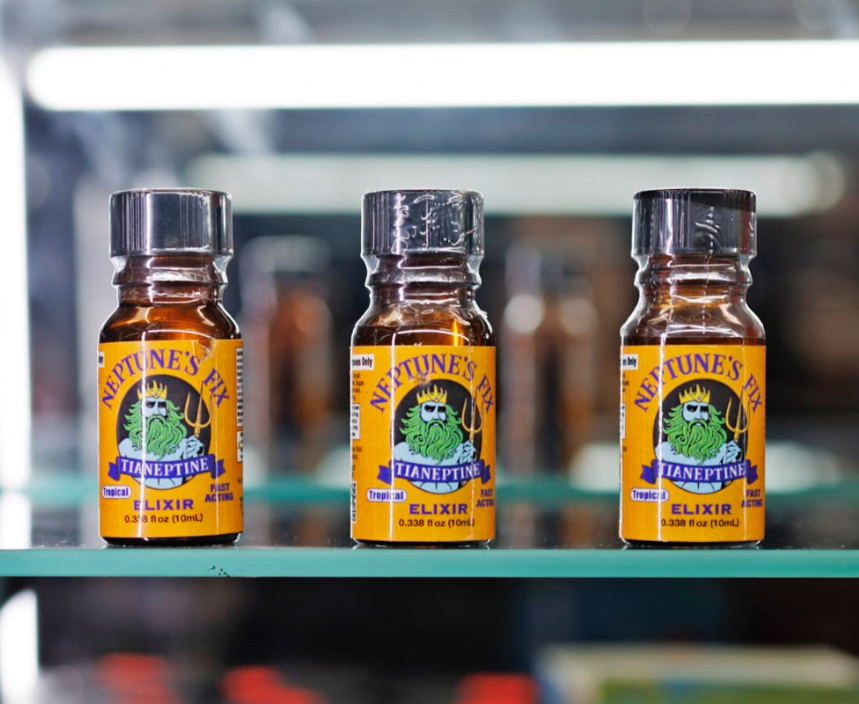
Tropicat Tianeptine Elixir
Tropical branding and small-bottle packaging make it look like a wellness shot instead of a dangerous drug product.
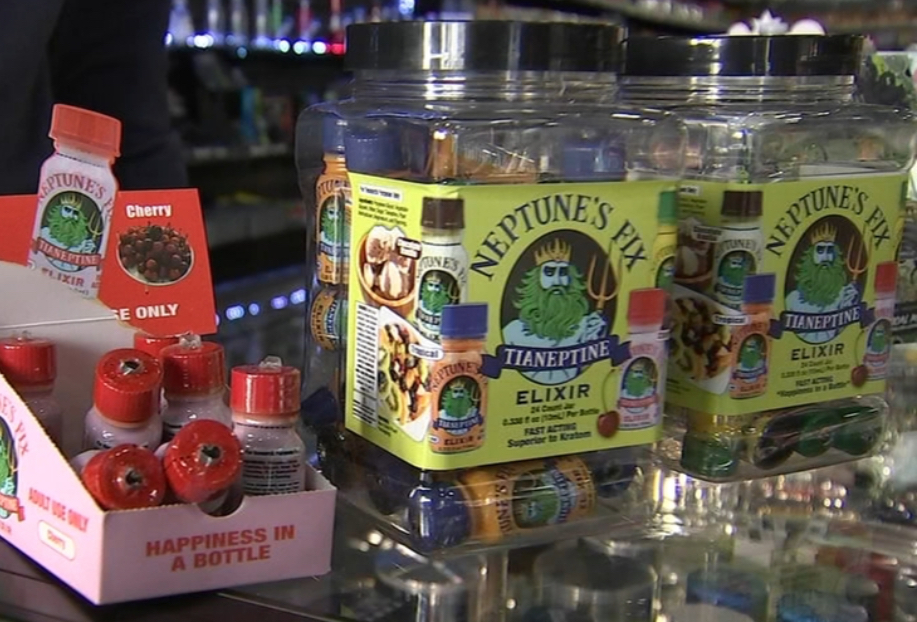
Cherry Tianeptine Elixir
Cherry flavor and “happiness” messaging turn a high-risk product into something that looks cheerful and harmless.
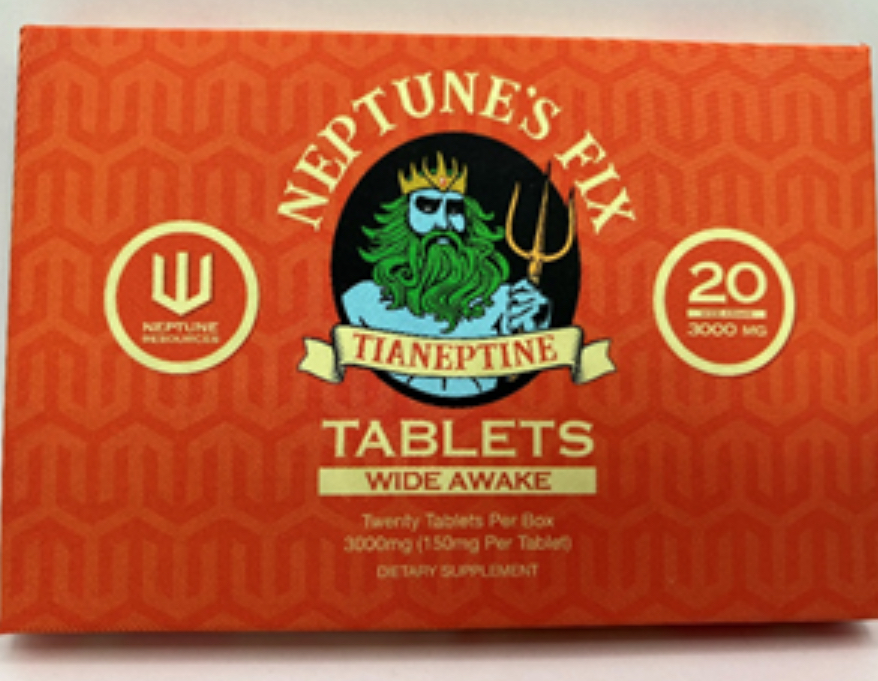
Wide Awake Tianeptine Tablets
“Wide Awake” makes the product sound like an energy aid while hiding the addiction and withdrawal risk.
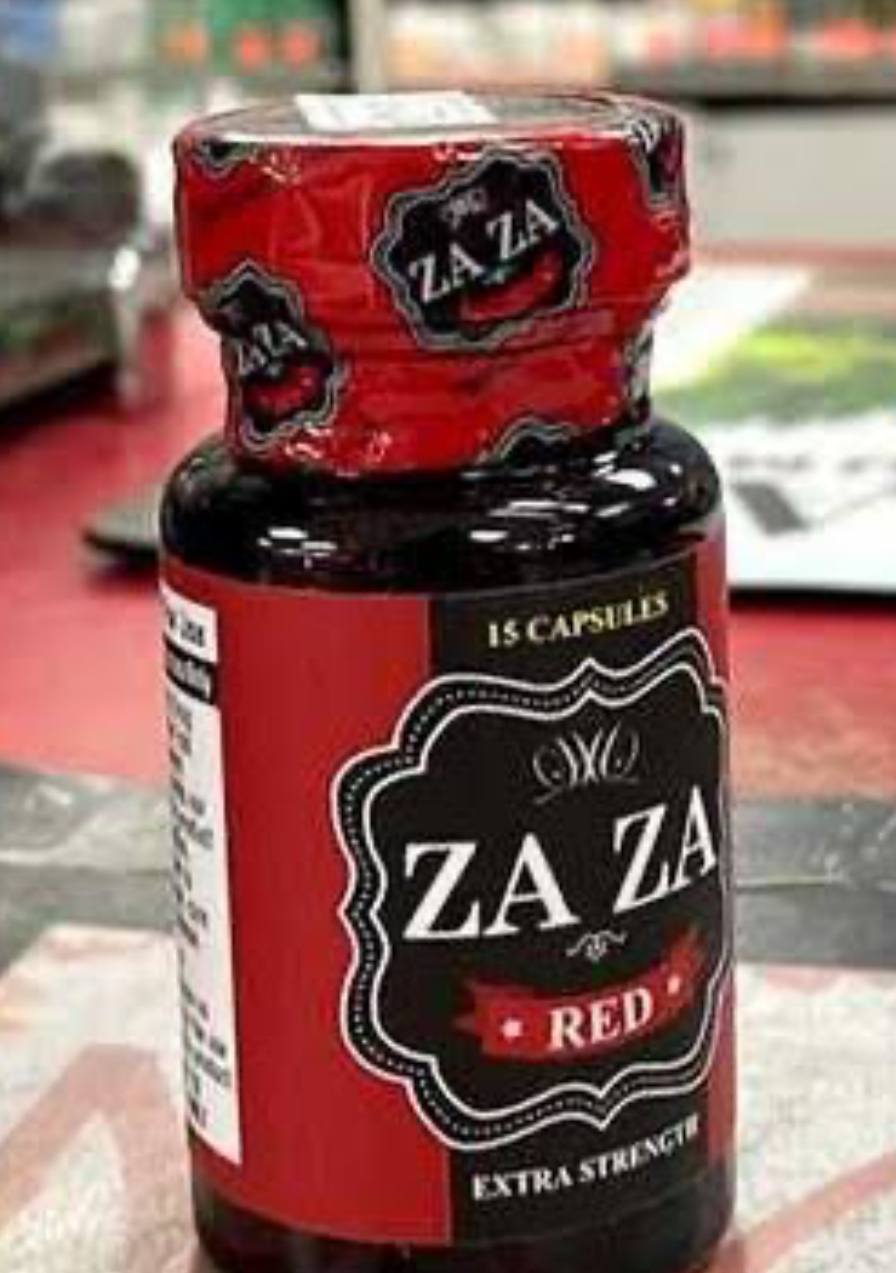
Za Za Red Extra Strength
One of the best-known gas station tianeptine products. The name sounds harmless. The consequences can be devastating.
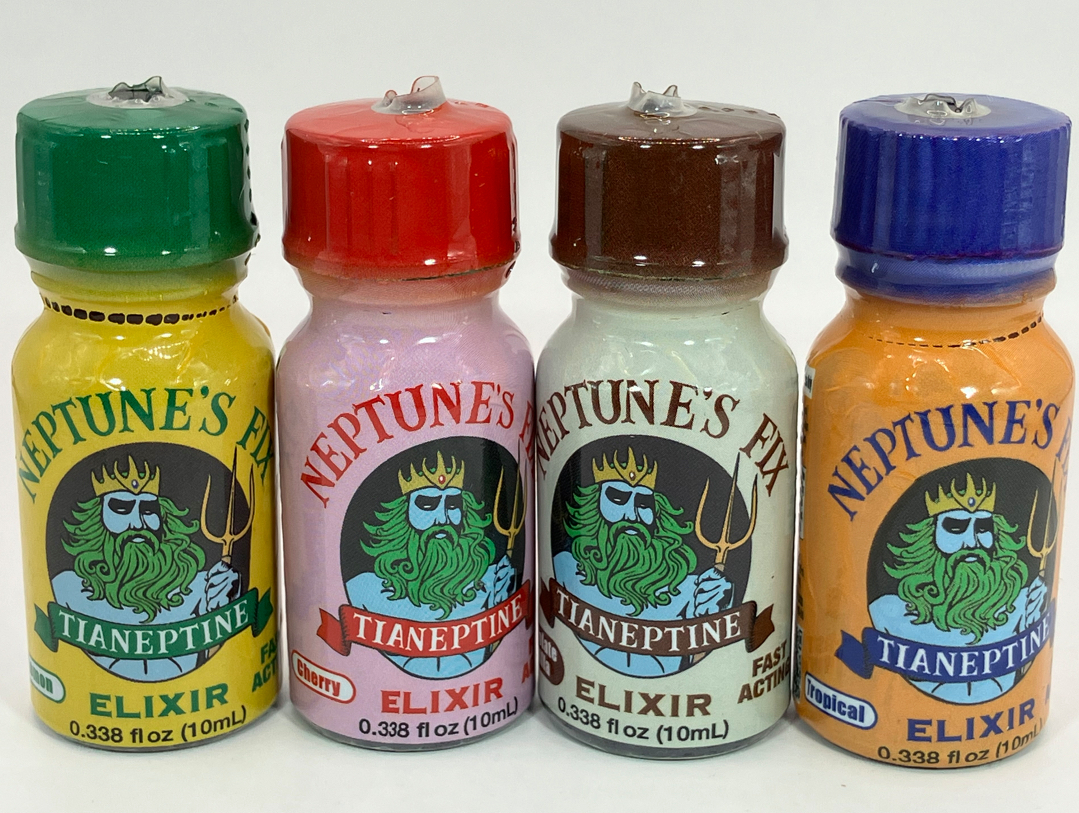
Neptune’s Elixir
Bright bottles and multiple flavors make the product look like a novelty drink or wellness shot.
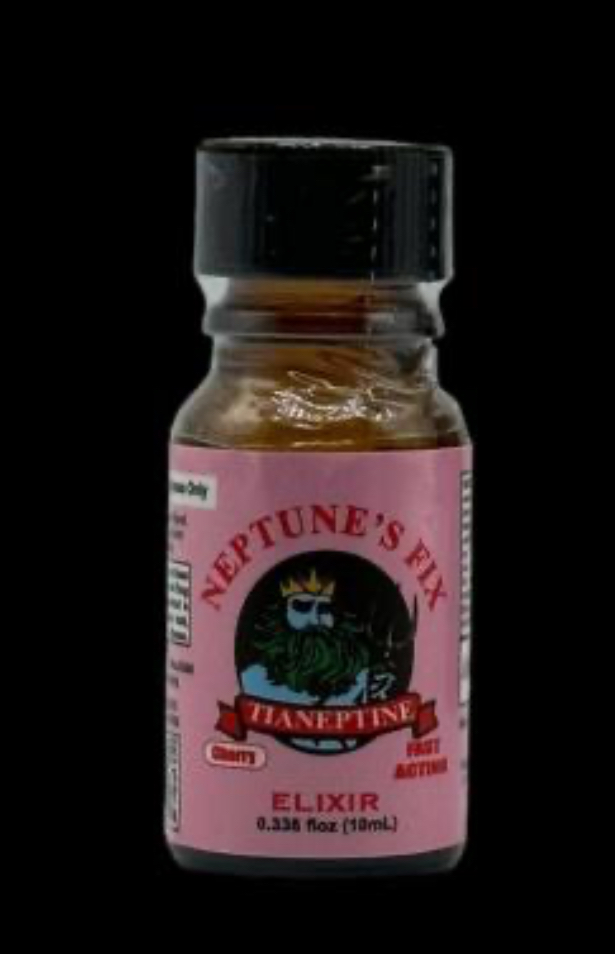
Neptune’s Elixir Bottle
Clean packaging can make a dangerous product look polished, safe, and legitimate.
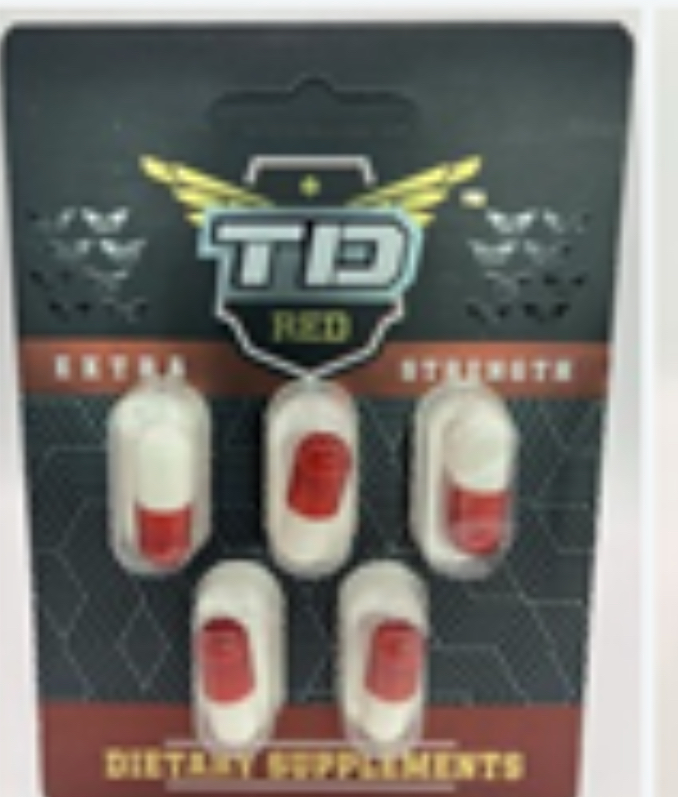
TD Red “Dietary Supplement”
Supplement-style labeling hides the fact that tianeptine is not FDA-approved and has been linked to serious harm.
The disturbing part is not just that tianeptine exists. It is that a drug associated with severe dependence, withdrawal, overdose, and deaths is being dressed up as a shiny bottle, mood product, or gas station supplement.
Recognize an emergency. Report a product.
Packaging and health warning signs
- Names such as Za Za, Tianaa, Pegasus, TD Red and Neptune’s Fix
- Capsules, small elixir bottles, mood boosters or products marketed as nootropics
- Extreme sleepiness, pinpoint pupils, slow breathing or inability to wake someone
- Withdrawal symptoms after repeated use, including sweating, vomiting and agitation
- Unknown ingredients or combinations with alcohol, benzodiazepines or opioids
What families and communities can do
- Call 911 for suspected overdose and give naloxone if available.
- For poison advice call 1-800-222-1222.
- Save the package, ingredient list, lot number and purchase information if safe to do so.
- Report adverse events to FDA MedWatch and deceptive marketing to the FTC.
- Encourage people experiencing dependence to seek evidence-based medical care.
FDA, CDC and DEA documentation
Primary sources for the safety and regulatory information on this page. Updated October 12, 2026.