Pseudoindoxyl
Schedule I Opioid
A kratom-related opioid sold in flavored tablets and blends is now federally controlled. The DEA placed mitragynine pseudoindoxyl in Schedule I on August 26, 2026.
The label said “kratom.” Federal regulators identified a Schedule I opioid.
Mitragynine pseudoindoxyl (MP) is a potent opioid-active compound associated with kratom alkaloid chemistry. Products advertised as kratom, botanical blends, focus aids and flavored chewables have been marketed with MP. The DEA's temporary Schedule I order took effect August 26, 2026. Retail sale to the general public is not authorized.
FDA testing also identified undeclared mitragynine and mitragynine pseudoindoxyl in Better Weather Fix Elixir products, prompting recalls in May 2026. A package that never mentions MP cannot be assumed free of it.
Schedule I federally.DEA temporarily scheduled MP, MGM-15 and MGM-16 effective August 26, 2026.
Opioid activity.MP acts on opioid receptors. Sedation and dangerous breathing suppression are important safety concerns.
Labels may omit it.FDA documented undeclared MP in recalled commercial products.
Testing matters.Product names, marketing claims and packaging cannot establish the actual ingredients or concentrations.
Pseudoindoxyl, explained in plain English
What parents, shoppers and community leaders should know about this kratom-related opioid and the federal action against it.
What is mitragynine pseudoindoxyl?
Also called MP or pseudoindoxyl, it is an opioid-active compound related to mitragynine and 7-hydroxymitragynine. Commercially marketed concentrated MP should not be confused with ordinary kratom leaf. The presence of trace compounds in plant material does not make concentrated MP products equivalent to leaf powder.
Is MP a Schedule I controlled substance?
Yes. The DEA temporarily placed mitragynine pseudoindoxyl, MGM-15 and MGM-16 in federal Schedule I effective August 26, 2026. The order is scheduled through August 26, 2028 unless extended or replaced. Unauthorized possession, manufacturing and distribution are prohibited. The scheduling of these three compounds does not, by itself, schedule all kratom leaf or all 7-OH.
Read the official DEA order (Federal Register, pages 54948–54956) →
Was MP actually found in a commercial product?
Yes. In May 2026, FDA published recalls for Better Weather Fix Elixir after testing found undeclared mitragynine and mitragynine pseudoindoxyl. That is documented product testing, not merely an allegation based on advertising.
How was it marketed?
Examples in the gallery include products labeled “pseudo,” “focus blend,” “instant release,” “advanced alkaloids,” and fruit-flavored chewables. These are examples of marketing, not independent laboratory verification of every pictured product. A brand's presence here does not establish that it is currently selling a controlled substance.
What can it do to the body?
MP has potent opioid-receptor activity. Potential opioid-type harms include sedation, nausea, impaired consciousness and slowed breathing. Dependence and withdrawal are serious concerns with repeated exposure to potent opioid-active substances. Human clinical evidence specific to MP is limited, so exact rates of overdose, dependence or other outcomes cannot reliably be stated.
Is it more potent than morphine?
Some laboratory and animal studies indicate strong opioid activity, but potency depends on the experiment and endpoint measured. An animal-study potency comparison is not a reliable conversion into a human dose or proof that every marketed product is stronger than morphine.
How is it different from 7-OH or MGM-15?
MP, 7-hydroxymitragynine (7-OH), MGM-15 and MGM-16 are distinct chemical substances. The DEA's August 26 order specifically covers MP, MGM-15 and MGM-16. Read the separate 7-OH guide and MGM-15 guide for additional context.
What if someone may have taken it?
Call 911 for slow or absent breathing, inability to awaken, blue or gray lips, or collapse. Give naloxone if available and follow emergency dispatcher instructions; repeat doses may be needed. Naloxone may reverse opioid effects, but specific human data for MP are limited. For exposure advice in the United States, call Poison Control at 1-800-222-1222. Do not wait for symptoms to worsen.
Examples of pseudoindoxyl marketing and product packaging
These archived or advertised examples show how products have been marketed. Images and labels alone do not verify chemical contents, current availability, or lawful sale. Retail sale of MP is prohibited under federal Schedule I controls.
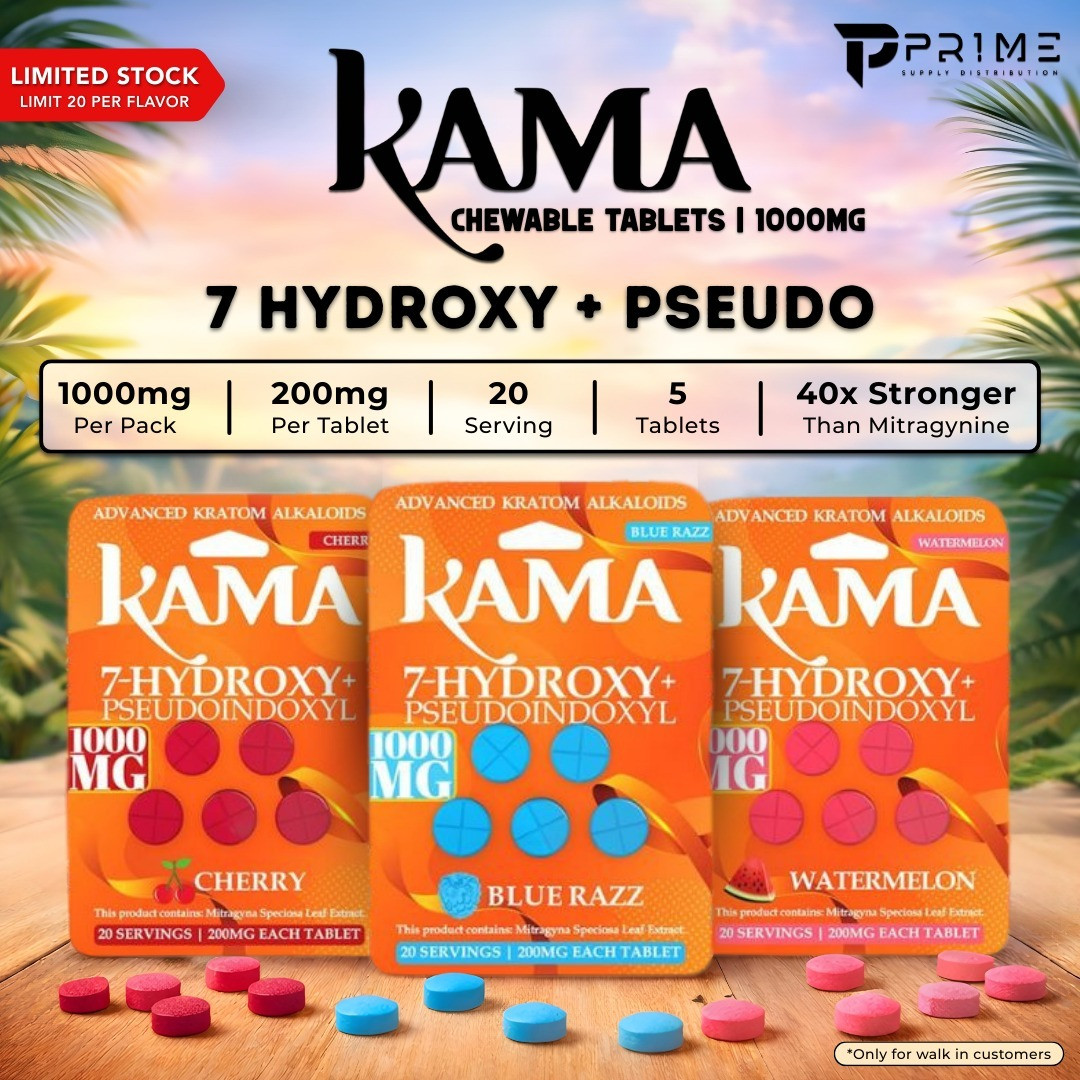
KAMA 7-Hydroxy + Pseudoindoxyl
Bright flavors, potency language, and “limited stock” urgency make a powerful kratom-derived product feel like a retail drop.
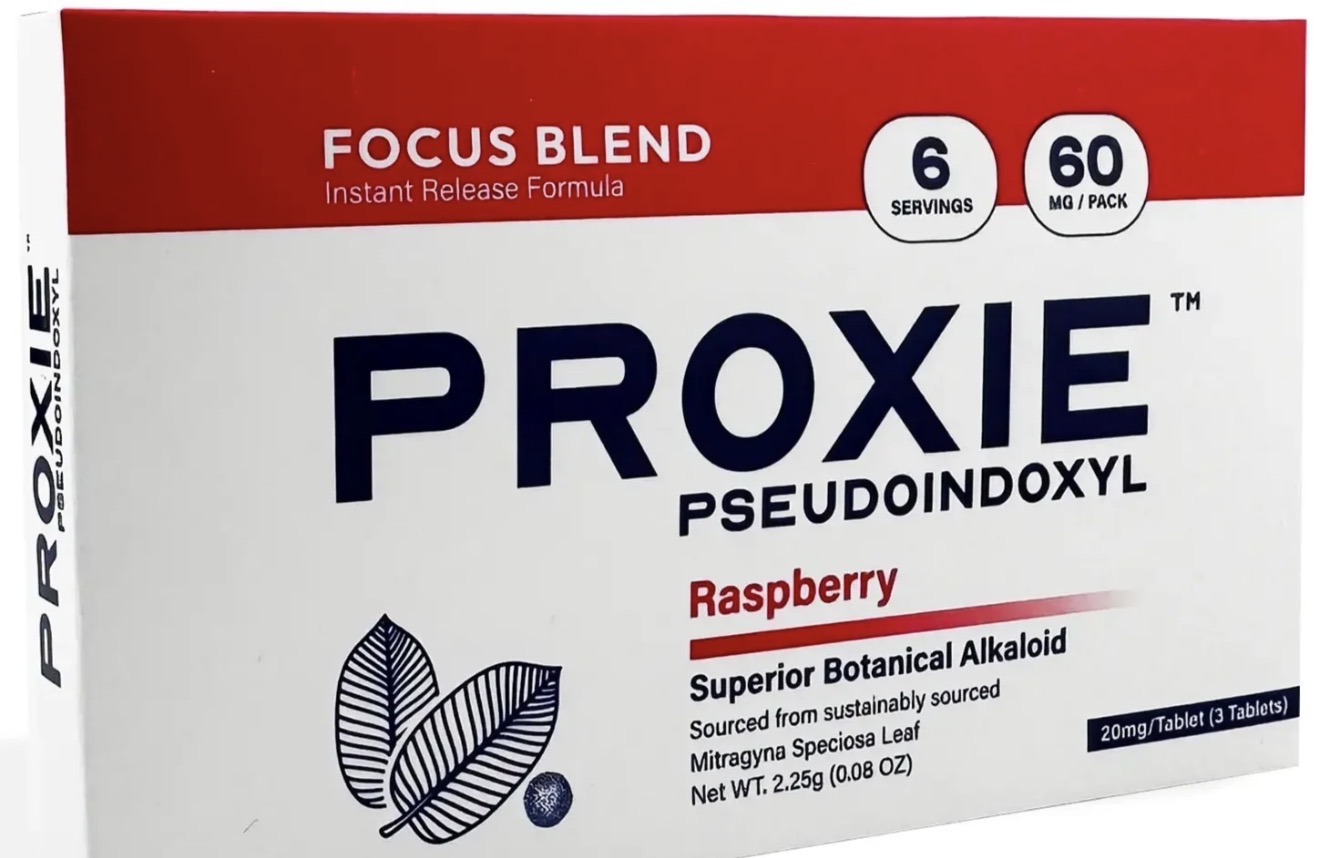
Proxie “Focus Blend”
Calling it a focus product makes an opioid-like compound sound useful, clean, and everyday.
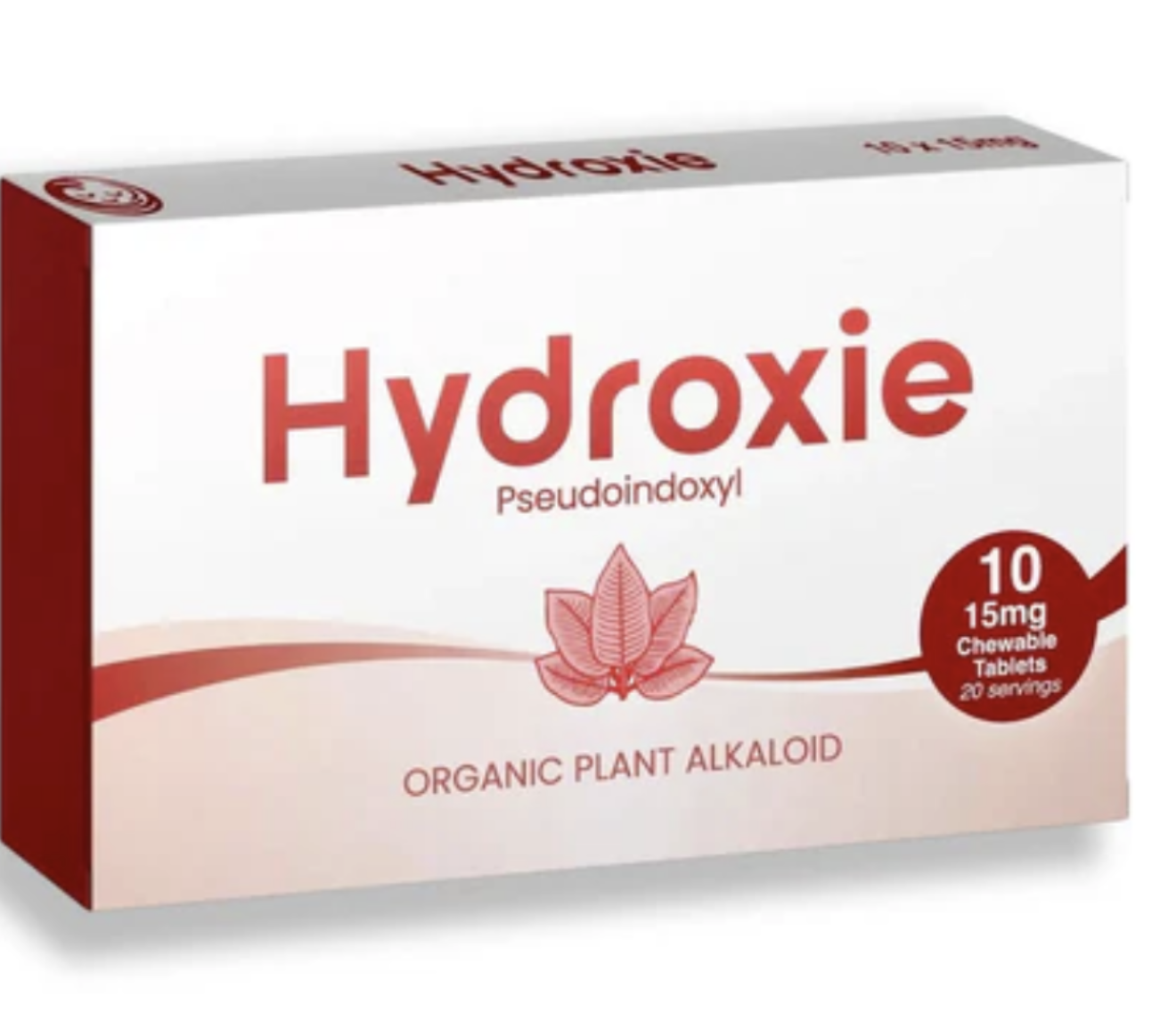
Hydroxie Pseudoidinoxyl
“Organic plant alkaloid” language makes the product sound natural while hiding the risk.
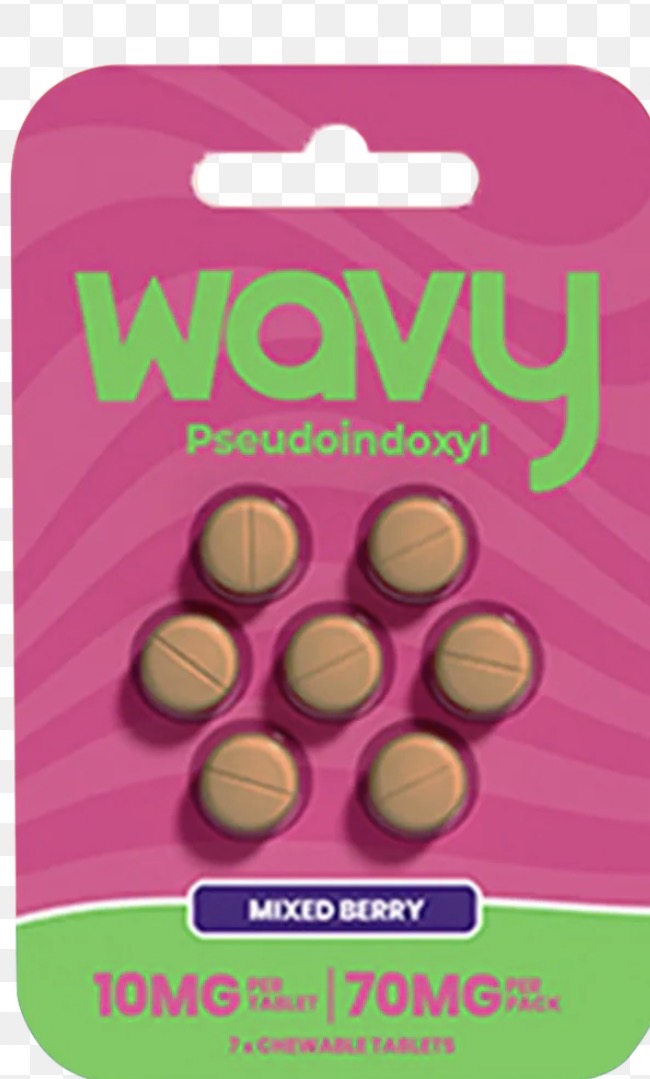
Wavy Mixed Berry
Mixed berry flavor and bottle packaging make a serious product look like a supplement or candy.
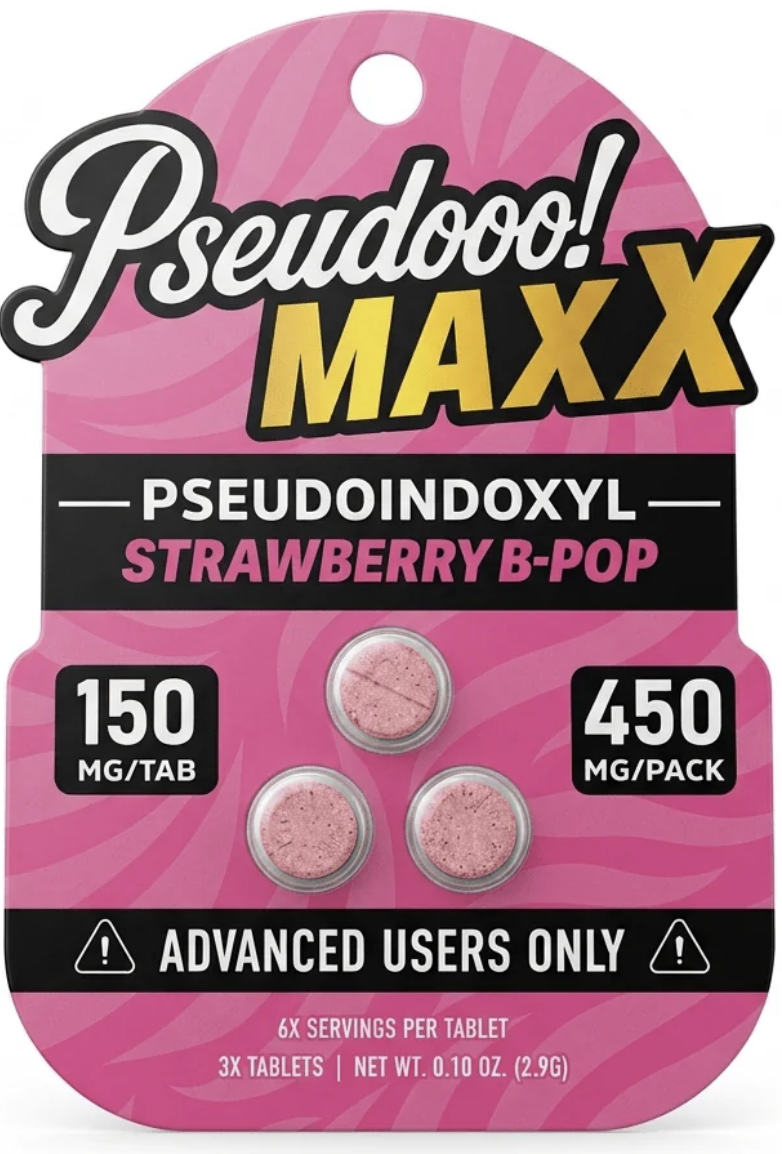
Pseudoool! MAX Strawberry B-Pop
Candy-style flavoring and “MAX” branding turn opioid-like chemistry into a thrill product.
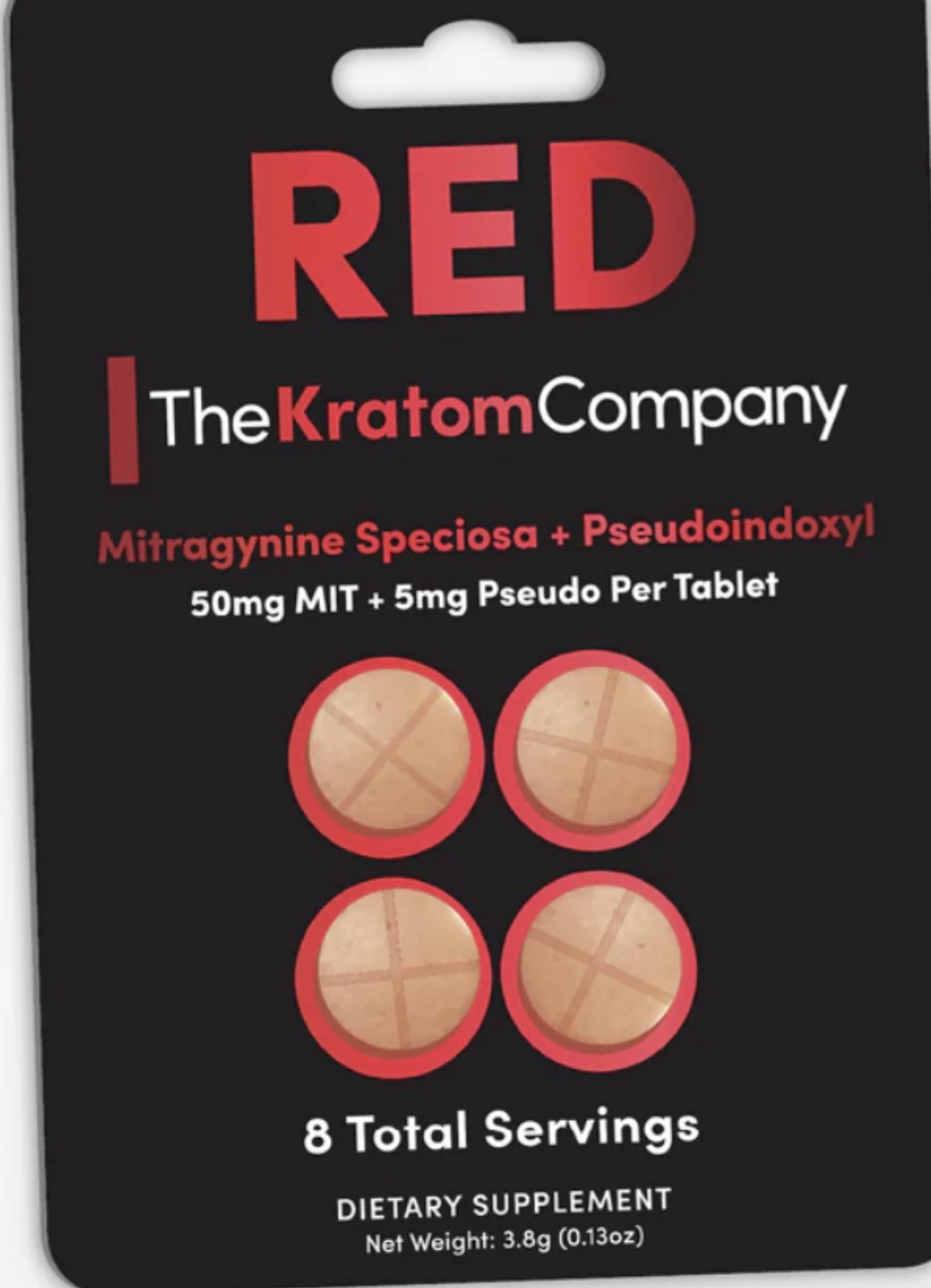
The Kratom Company Red
Labeled like a kratom or supplement product while combining mitragynine with pseudoindoxyl.
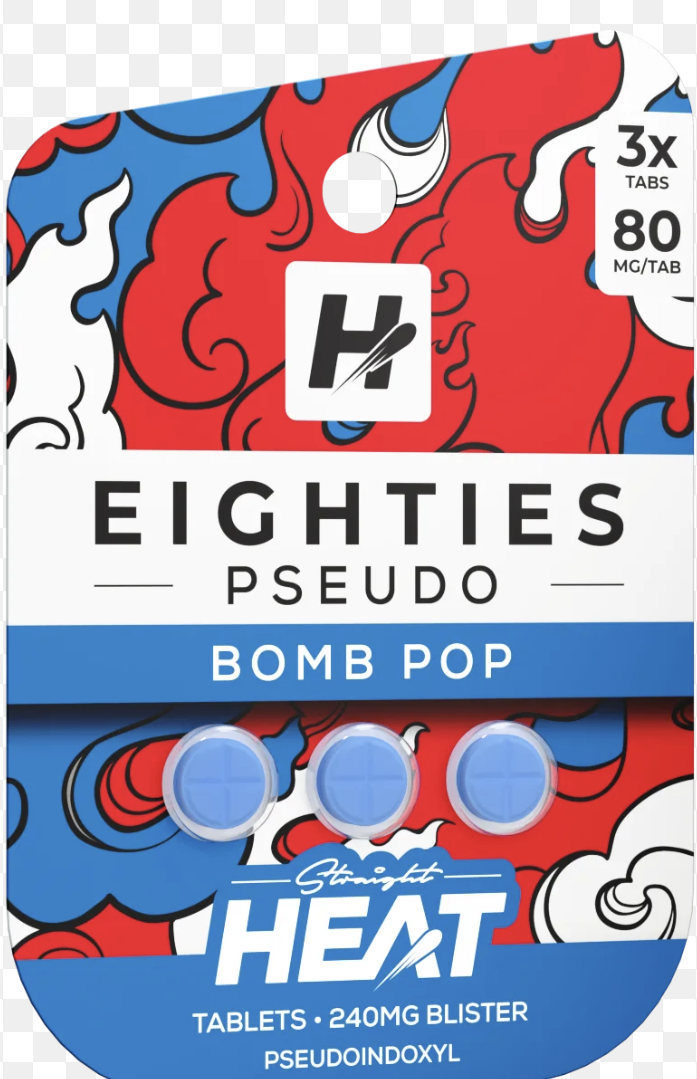
Eighties Pseudo Bomb Pop
Bomb Pop flavor and bright packaging make this look like candy culture, not a public-health warning.
The disturbing part is not just that pseudoindoxyl exists. It is that kratom-derived opioid-like chemistry is being dressed up as fruit-flavored chewables, focus blends, and trendy retail products while being sold in ordinary places.
What to look for and what to do
Warning signs in products
- “Pseudo,” “pseudoindoxyl,” “MP,” or “mitragynine pseudoindoxyl” on labels or online listings
- Fruit-flavored chewables, tablets, shots, and products claiming unusually high potency
- Vague terms such as “proprietary alkaloid blend” or “advanced kratom alkaloids”
- Ingredients absent from labels, inconsistent certificates of analysis, or unsupported purity claims
- Remember: packaging alone cannot prove the presence or absence of MP
Protect your family
- For suspected overdose, call 911 and administer naloxone if available
- For poisoning advice, call Poison Control at 1-800-222-1222
- Save the package and photograph the ingredient panel, lot number and seller information
- Report suspected illegal sales to appropriate local or federal authorities
- Report suspected adverse events through FDA MedWatch
Primary sources
These federal records document the scheduling decision, commercial marketing concerns and laboratory-confirmed recall.