MGM-15
& MGM-16
Kratom-related opioid compounds appeared in flavored tablets and enhanced products. The DEA has now placed both in federal Schedule I. Know the names, the risks, and the law.
The law has caught up. The products still deserve scrutiny.
MGM-15, also called dihydro-7-hydroxymitragynine, and MGM-16, a fluorinated related compound, are chemically modified kratom-related opioids. Both were temporarily placed in Schedule I by the Drug Enforcement Administration, effective August 26, 2026, because the agency found an imminent hazard to public safety.
Ordinary retail sales of these substances are prohibited under federal law. A colorful package or an old online listing is not evidence that a product is lawful, currently available, or chemically verified.
Schedule IDEA temporarily scheduled MGM-15 and MGM-16 through August 26, 2028, unless extended or otherwise changed.
Different compoundsMGM-15 is dihydro-7-hydroxymitragynine. MGM-16 is a fluorinated derivative, not another name for MGM-15.
Opioid activityThese compounds act on opioid receptors. Human clinical safety data are limited.
Packaging proves littleLabels, photographs, and marketing claims cannot replace laboratory confirmation of contents.
MGM-15 and MGM-16, explained
These are not ordinary kratom powders. They are distinct, chemically modified compounds associated with opioid receptor activity and significant public-health concerns.
What is MGM-15?
MGM-15 is dihydro-7-hydroxymitragynine, a chemically modified relative of 7-hydroxymitragynine (7-OH). It has opioid-receptor activity and is separately identified in the DEA's August 2026 order under drug code 9673.
What is MGM-16?
MGM-16 is a fluorinated dihydro-7-hydroxymitragynine derivative, also described using 9-fluoro or 10-fluoro nomenclature depending on the numbering convention. It is separately controlled under DEA drug code 9674. It should not be confused with MGM-15 or mitragynine pseudoindoxyl.
How do these compounds relate to kratom and 7-OH?
Kratom leaf contains mitragynine and smaller amounts of 7-OH. MGM-15 and MGM-16 are chemically modified derivatives related to that alkaloid family, rather than ordinary whole-leaf kratom. Their manufacture and presence in any specific commercial product require evidence; the label alone is not proof.
Are MGM-15 and MGM-16 legal?
No, not for ordinary retail sale in the United States. DEA's temporary Schedule I order took effect August 26, 2026, and is scheduled to run through August 26, 2028 unless extended or replaced. Unauthorized possession, manufacturing, and distribution are prohibited. Limited DEA-authorized activities such as research are subject to strict requirements. Read the federal order (91 FR 54948).
What are the health risks?
DEA identified these substances as posing an imminent hazard to public safety. Opioid-receptor activity raises concerns about sedation, impaired consciousness, respiratory depression, overdose, and dependence. However, controlled human studies specifically quantifying the effects and risks of MGM-15 and MGM-16 remain limited; do not treat marketing potency claims as established clinical comparisons.
Can they cause dependence or withdrawal?
Dependence and withdrawal are serious concerns for opioid-active compounds, including concentrated kratom-related products. The exact incidence, onset, and severity for MGM-15 and MGM-16 in humans are not well established. Someone using these products regularly should seek clinical advice rather than attempting an abrupt, unsupported withdrawal.
What do these products look like?
Archived product photographs show chewable tablets, flavored packaging, combination products, and terms such as “MGM,” “rapid release,” and “boosted.” Some labels may not distinguish MGM-15 from MGM-16. Images document marketing, not verified chemical composition or present-day availability.
What if someone may have overdosed?
Call 911 immediately for slow or absent breathing, inability to awaken, blue or gray lips, or collapse. Give naloxone if available, follow dispatcher instructions, and provide rescue breathing or CPR as directed. Naloxone may reverse opioid effects, but repeat doses or additional treatment may be needed. Do not leave the person alone. For nonemergency exposure guidance, call Poison Control at 1-800-222-1222.
This is what MGM-15 looks like on shelves and online
Archived examples of products and advertising using MGM terminology. Their labels are not independent laboratory confirmation, and these images do not establish that the products remain available or lawful after federal scheduling.
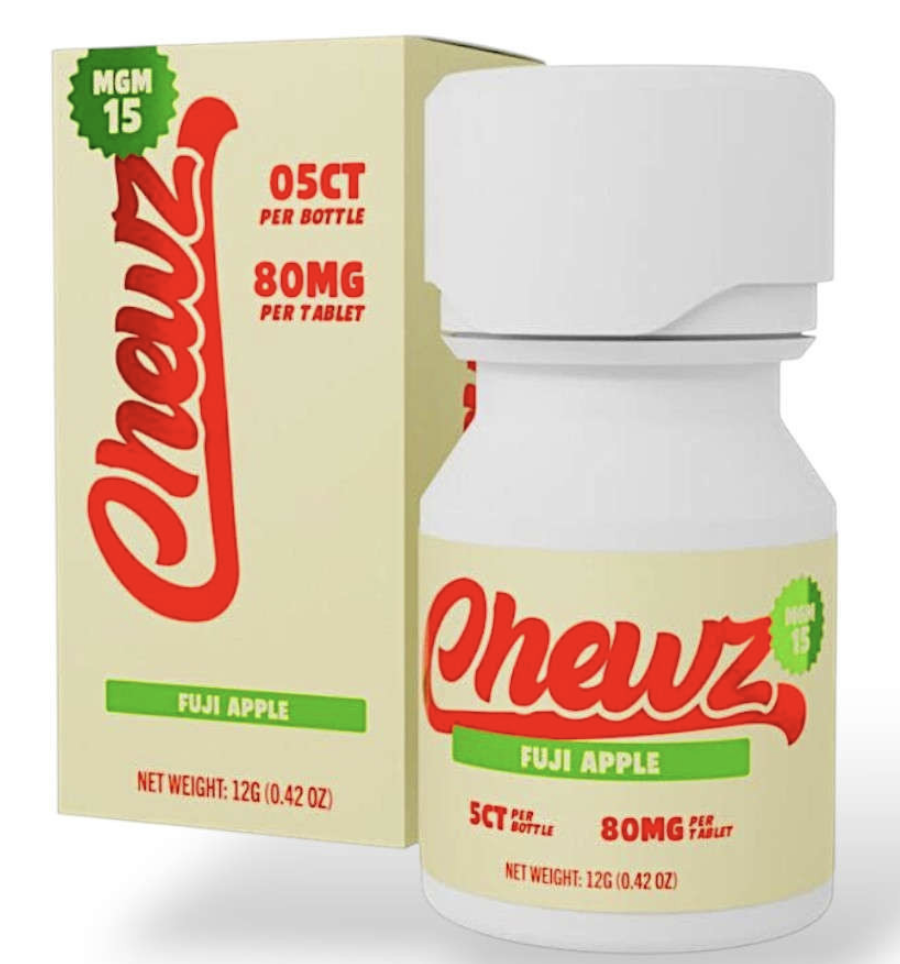
“OHEWZ” MGM-15Archived product or advertising example. Packaging and claimed ingredients have not been independently verified here; current sale of MGM-15 or MGM-16 to the public is prohibited under federal law.
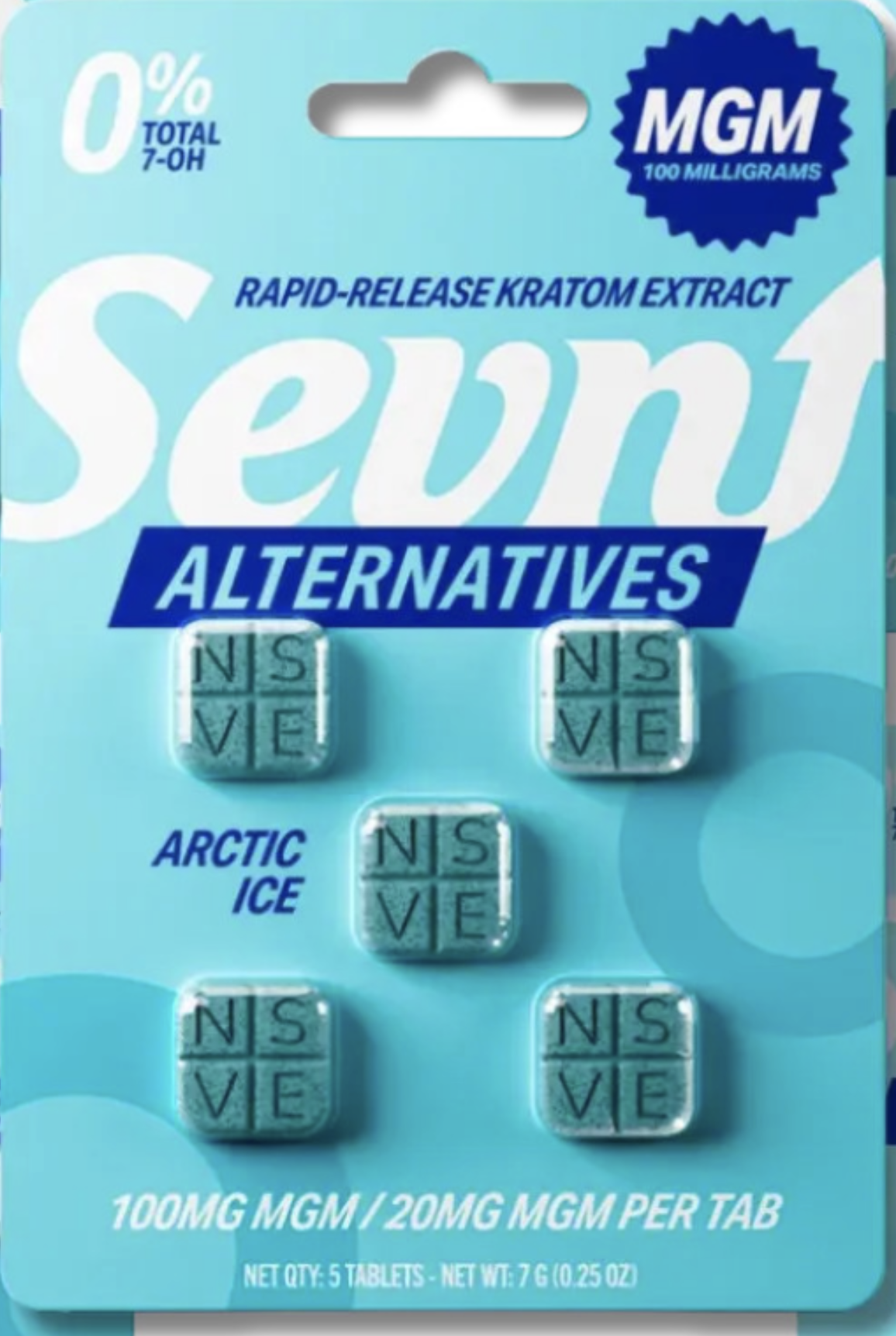
“Arctic Ice” MGMArchived product or advertising example. Packaging and claimed ingredients have not been independently verified here; current sale of MGM-15 or MGM-16 to the public is prohibited under federal law.
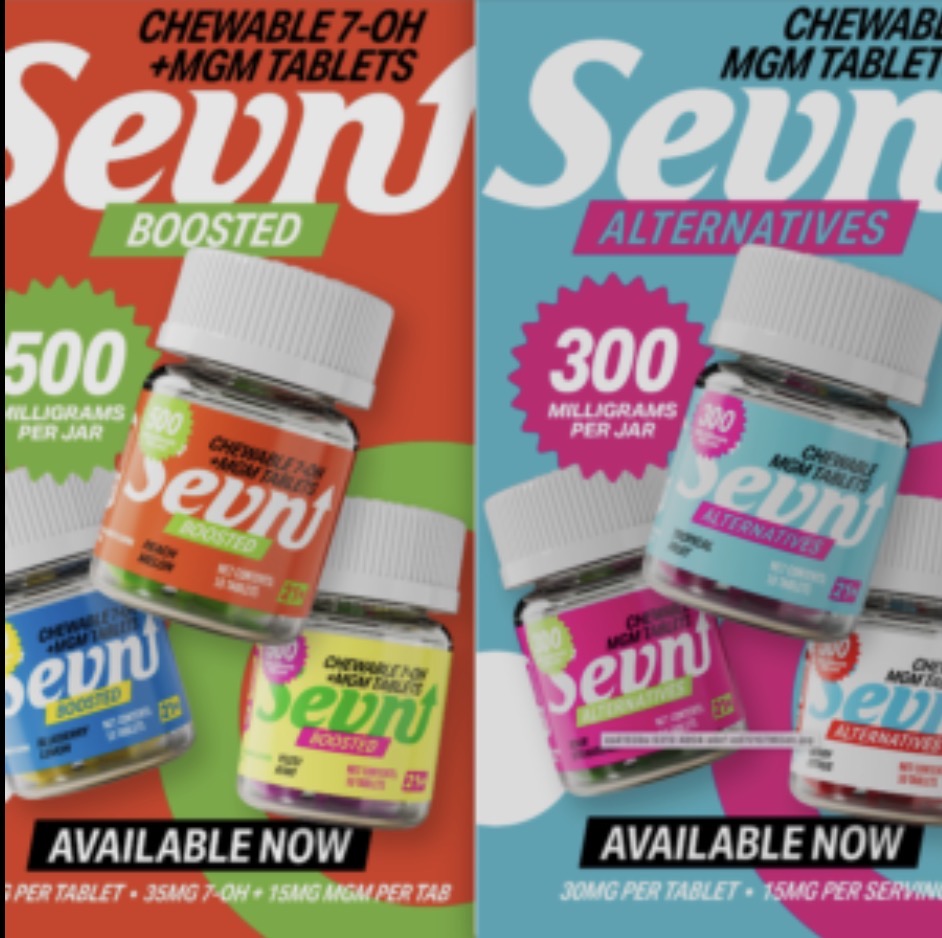
7-OH + MGM TabletsArchived product or advertising example. Packaging and claimed ingredients have not been independently verified here; current sale of MGM-15 or MGM-16 to the public is prohibited under federal law.
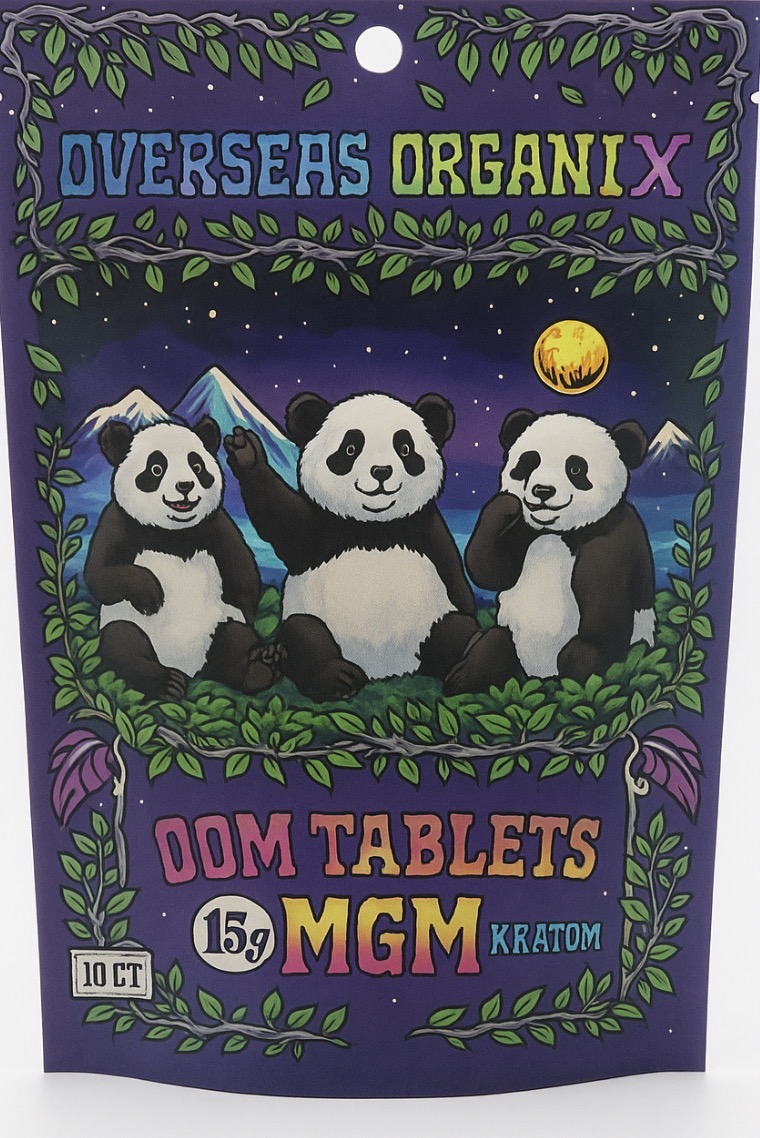
“DOM Tablets” MGMArchived product or advertising example. Packaging and claimed ingredients have not been independently verified here; current sale of MGM-15 or MGM-16 to the public is prohibited under federal law.
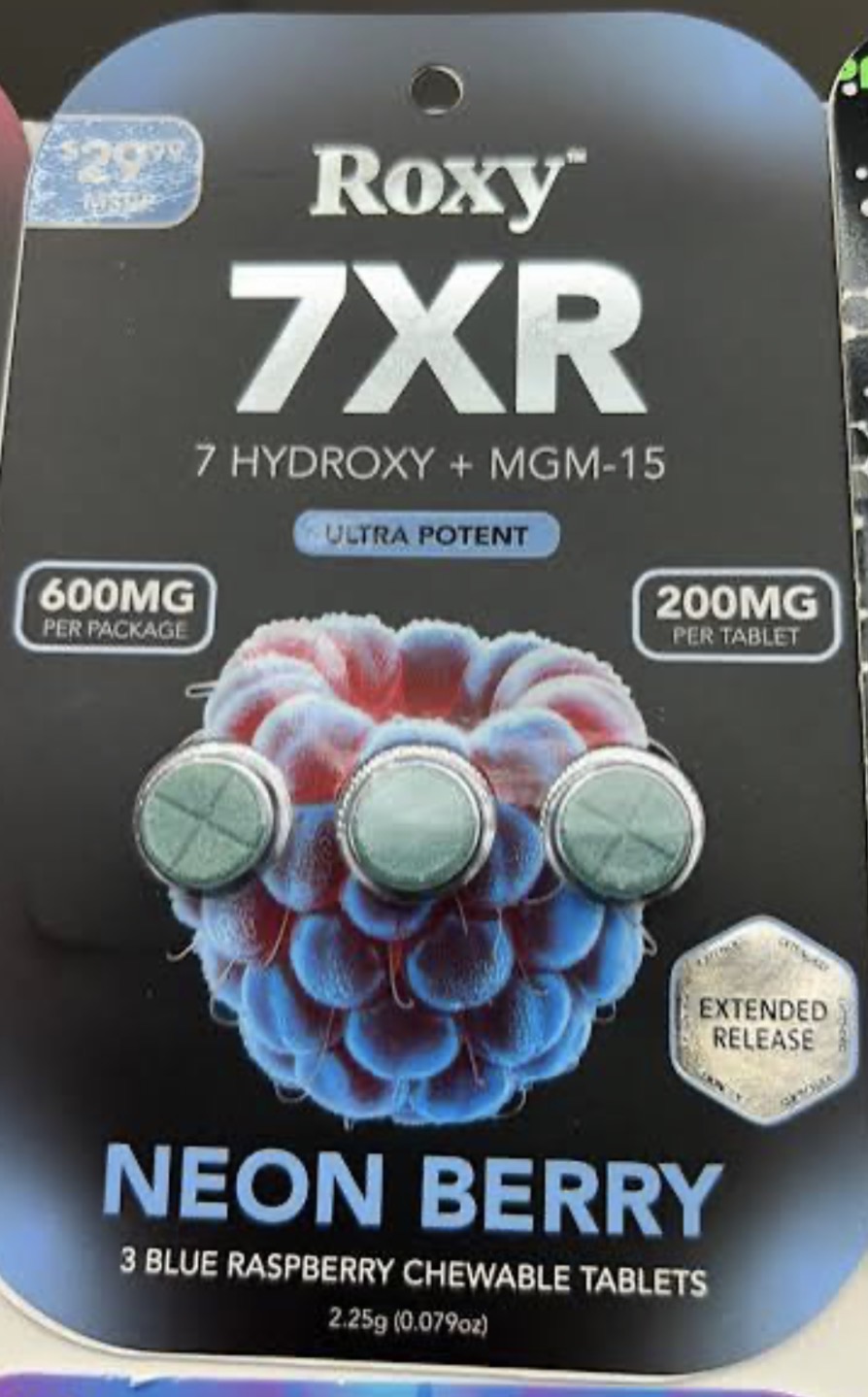
“Roxy 7XR”Archived product or advertising example. Packaging and claimed ingredients have not been independently verified here; current sale of MGM-15 or MGM-16 to the public is prohibited under federal law.
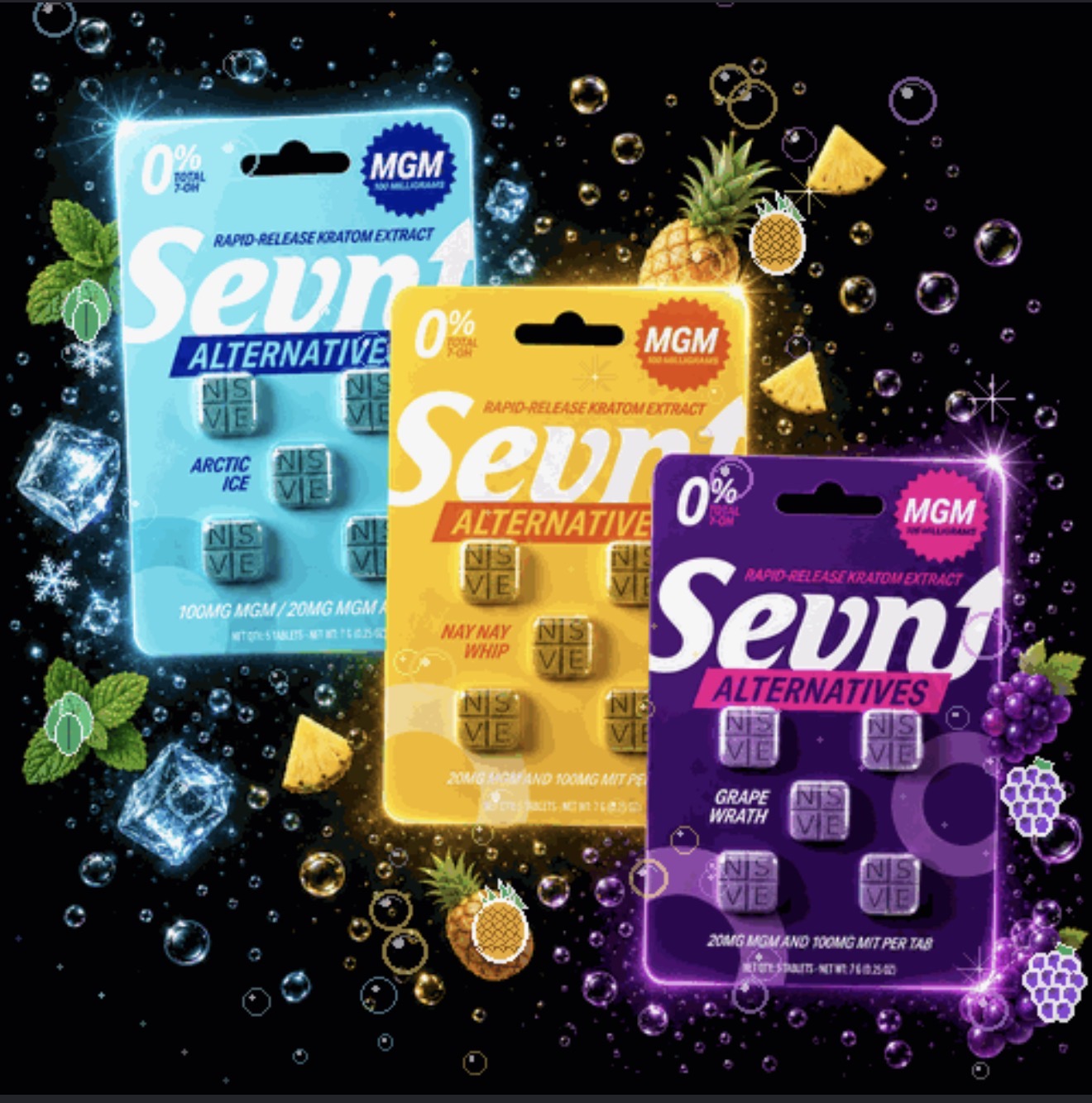
“Sevn Alternative” / “Arctic Ice”Archived product or advertising example. Packaging and claimed ingredients have not been independently verified here; current sale of MGM-15 or MGM-16 to the public is prohibited under federal law.
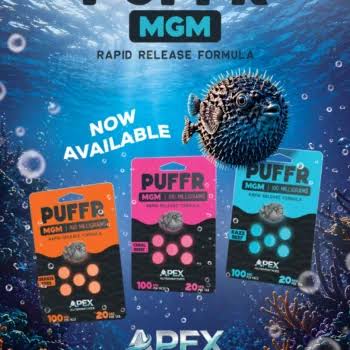
“PUFFR” MGM Rapid ReleaseArchived product or advertising example. Packaging and claimed ingredients have not been independently verified here; current sale of MGM-15 or MGM-16 to the public is prohibited under federal law.
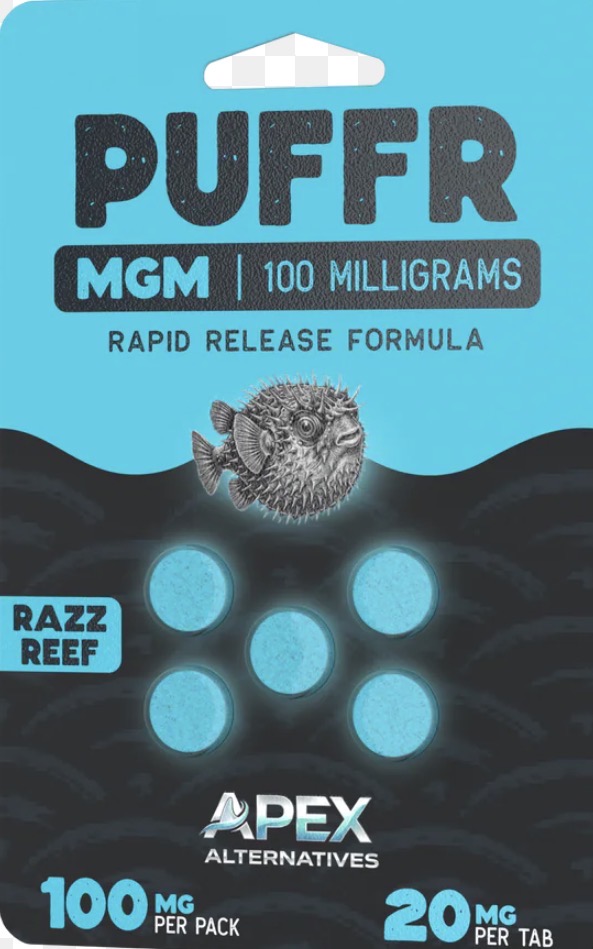
“PUFFR” Razz ReefArchived product or advertising example. Packaging and claimed ingredients have not been independently verified here; current sale of MGM-15 or MGM-16 to the public is prohibited under federal law.
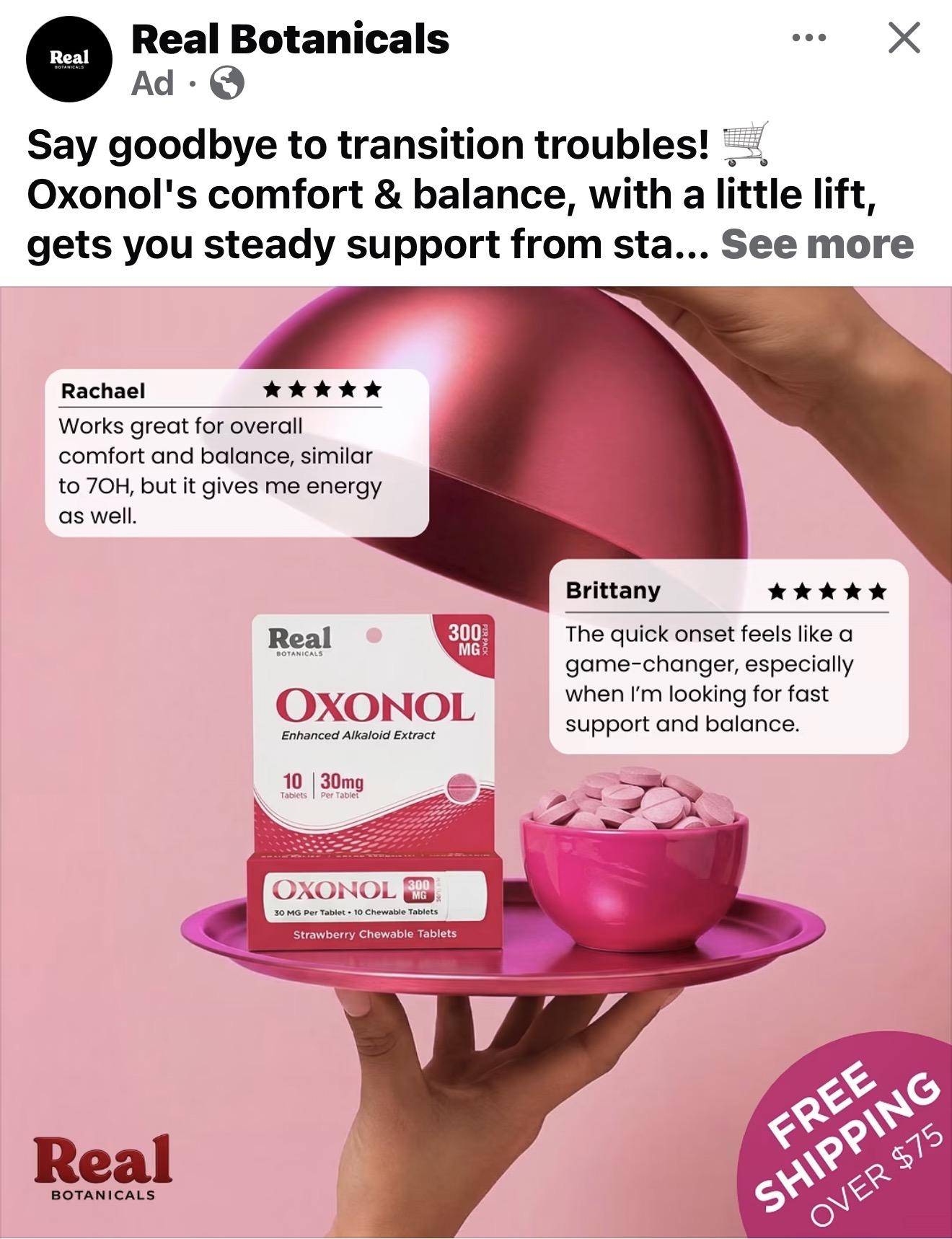
“Oxonol” Enhanced Alkaloid ExtractArchived product or advertising example. Packaging and claimed ingredients have not been independently verified here; current sale of MGM-15 or MGM-16 to the public is prohibited under federal law.
The disturbing part is not just that MGM-15 exists. It is that kratom-derived opioid-like chemistry is being dressed up as fruit-flavored chewables, rapid-release extracts, and wellness alternatives while being sold in ordinary places.
Recognize the labels. Know what to do.
Names and packaging to recognize
- “MGM,” “MGM-15,” “MGM-16,” “dihydro-7-hydroxymitragynine,” and “fluoro-dihydro-7-hydroxymitragynine”
- Flavored chewables, blister packs, rapid-release or boosted formulas, and combination products
- Marketing language such as “botanical,” “advanced alkaloid,” “alternative,” or “ultra potent”
- Any retail product claiming MGM-15 or MGM-16 after the federal scheduling date
Protect your family and community
- If an overdose is suspected, call 911 and administer naloxone if available.
- Keep products away from children and do not taste or test unidentified tablets.
- Photograph packaging and record store details without handling suspicious substances unnecessarily.
- Report suspected unlawful sales to appropriate local authorities; report adverse events through FDA MedWatch.
- For deceptive marketing complaints, use FTC ReportFraud.
Primary sources and further reading
The legal status and chemical identities above are grounded in the DEA's published temporary scheduling order. Medical risks are described conservatively because compound-specific human evidence is limited.
DEA temporary scheduling order, August 26, 2026
91 FR 54948–54956, Document 2026-17429. Defines MGM-15, MGM-16, and mitragynine pseudoindoxyl, and establishes their Schedule I controls.
FDA MedWatch
Poison Control
Poison Help or 1-800-222-1222. Call 911 for life-threatening symptoms.