Gas Station
Kratom
Kratom is sold as powder, capsules, shots, drinks and gummies. Its active alkaloids affect opioid receptors, and repeated use can lead to dependence and withdrawal.
A plant sold like a wellness product. Opioid activity that deserves a warning.
Kratom comes from Mitragyna speciosa leaves. Mitragynine and related alkaloids act on opioid receptors. People report dependence, withdrawal, seizures, liver injury and serious poisonings. Not every product has the same composition or risk, and a natural label is not proof of safety.
It looks normal.
Bottles, gummies, powders, and seltzers are packaged like everyday convenience-store products.
It is sold in plain sight.
Gas stations, vape shops, smoke shops, CBD stores, and websites sell it openly.
It is marketed as safe.
Labels use words like “natural,” “wellness,” “energy,” “focus,” and “feel good.”
It can hook people.
Users report tolerance, cravings, withdrawal, and feeling trapped after repeated use.
Kratom, explained in plain English
Straight answers about kratom leaf, extracts, dependence, adverse effects and what families should do in an emergency.
What is kratom?
Kratom is the leaf of the Southeast Asian tree Mitragyna speciosa. Its principal alkaloid, mitragynine, interacts with mu-opioid receptors and other biological targets. Products range from dried leaf and capsules to concentrated extracts and beverages.
Does natural leaf have opioid effects?
Yes. The opioid-receptor activity is not limited to synthetic products. Whole leaf contains mitragynine and other alkaloids. Its chemical profile and typical exposure differ from concentrated 7-hydroxymitragynine (7-OH) and other enhanced products; the risks should not be treated as identical.
What is the difference between kratom, 7-OH and pseudoindoxyl?
Kratom leaf naturally contains mitragynine and smaller amounts of other alkaloids. 7-hydroxymitragynine is an opioid-active derivative found at low or variable levels in leaf and can also be manufactured or concentrated. Mitragynine pseudoindoxyl is another potent opioid-active compound. A product labeled “kratom” does not tell you which compounds or amounts are present. See the separate substance guides for details.
Can kratom cause dependence and withdrawal?
Yes. Regular users may develop tolerance, cravings and withdrawal when they reduce or stop. Reported symptoms include anxiety, restlessness, insomnia, gastrointestinal upset, sweating and muscle aches. Severity varies. A clinician can assess dependence and treatment options; do not assume every person needs the same treatment.
What health problems have been reported?
Poison centers, case reports and clinical studies describe nausea, vomiting, agitation, sedation, seizures, liver injury and cardiovascular effects. Fatal cases with mitragynine detected have also been reported, often involving other substances. Detection does not by itself establish that kratom caused a death.
Are kratom shots and extracts different from leaf powder?
Often. Extracts can contain higher concentrations of mitragynine per serving, and some enhanced products contain additional opioid-active alkaloids. Dose, labeling accuracy and co-ingredients vary. Do not assume two similarly sized bottles have comparable strength.
How is kratom marketed and where is it sold?
Depending on local law, kratom products may appear in smoke shops, vape shops, convenience stores and online. Marketing may emphasize energy, mood, focus, relaxation or plant origins. These claims do not establish safety or FDA approval.
Is kratom FDA-approved or legal?
The FDA has not approved kratom to treat any medical condition. Federal controlled-substance status, state restrictions and rules for particular compounds are different legal questions and can change. A product being offered for sale does not mean it has been reviewed or approved by the FDA.
What should parents do if someone may be overdosing?
If someone is unresponsive, breathing slowly or not breathing normally, call 911 immediately. Give naloxone if available and follow dispatcher instructions, including rescue breathing or CPR as directed. Naloxone may help with opioid effects, but its response in kratom-related toxicity can be variable. For non-emergency poison advice in the U.S., call Poison Control at 1-800-222-1222.
Where can someone get help with kratom use?
Speak with a healthcare professional experienced in substance use disorders. Treatment may include counseling, management of withdrawal symptoms and, for some patients with opioid use disorder, medication treatment based on individual assessment. Visit the Get Help page for support resources.
This is what people are seeing in stores and online
These products do not look like dangerous drugs. They look like snacks, drinks, wellness products, gaming products, or trendy supplements. That is exactly why communities should be alarmed.
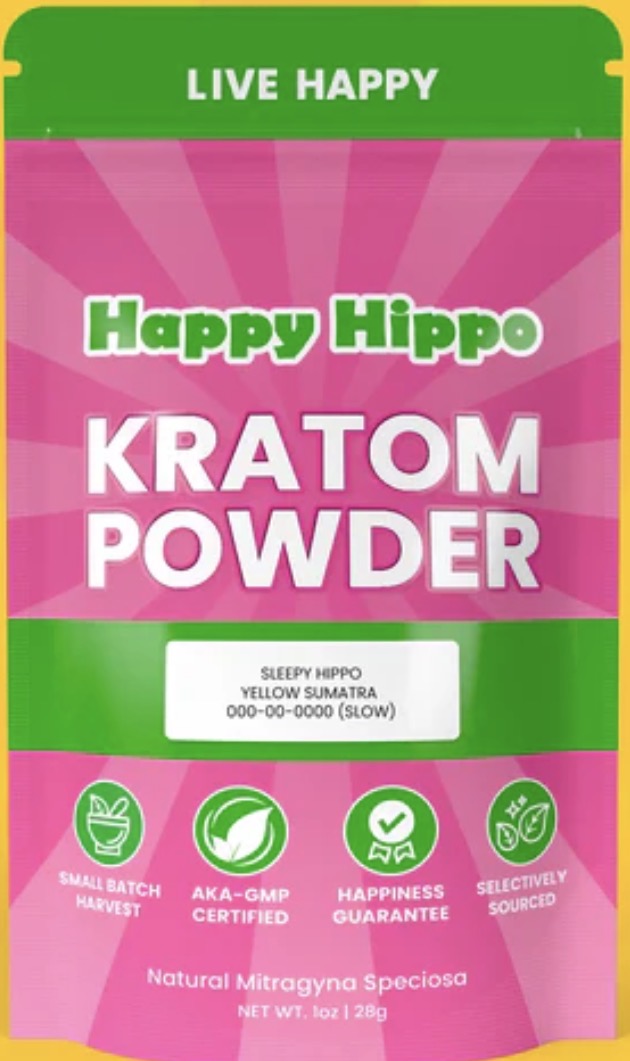
“Happy Hippo” Kratom Powder
Friendly name, cartoon-style branding, and “LIVE HAPPY” messaging make this look more like a wellness product than an opioid-like substance.
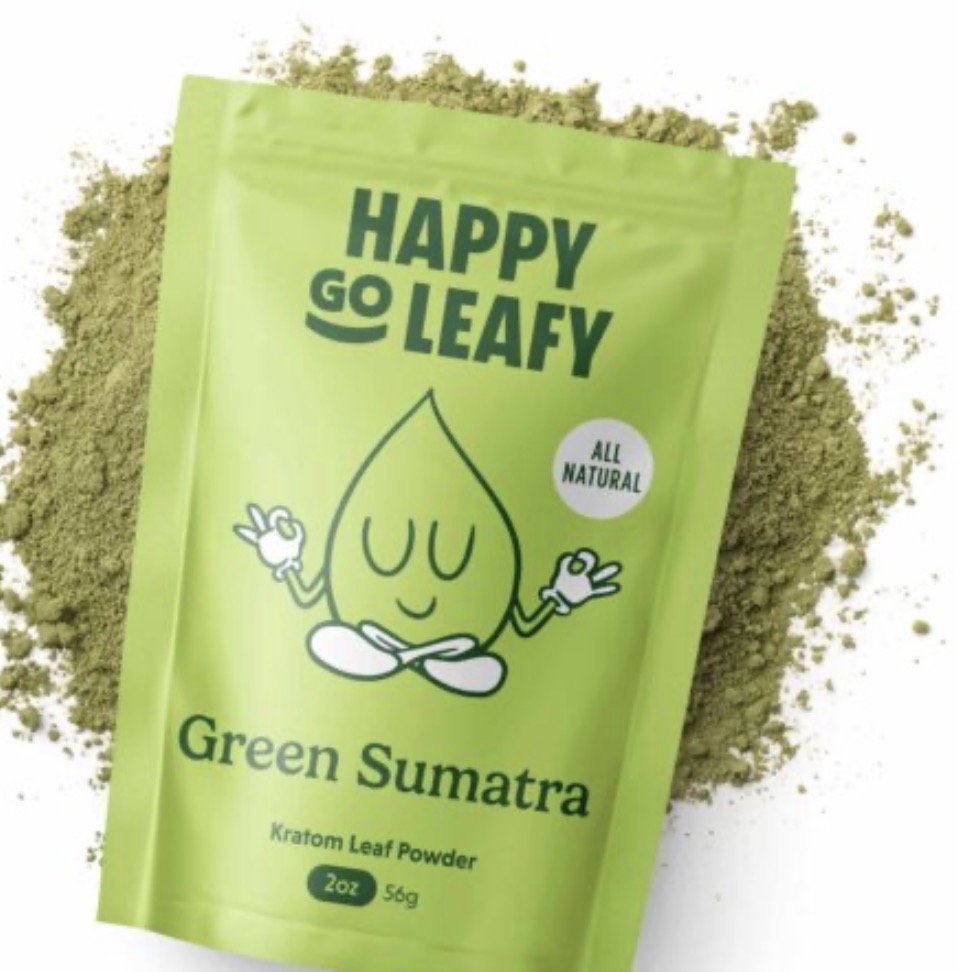
GoLeafy “Green Sumatra”
Sleek pouch, “all natural” language, and tea-like packaging can make a drug-like product appear harmless.
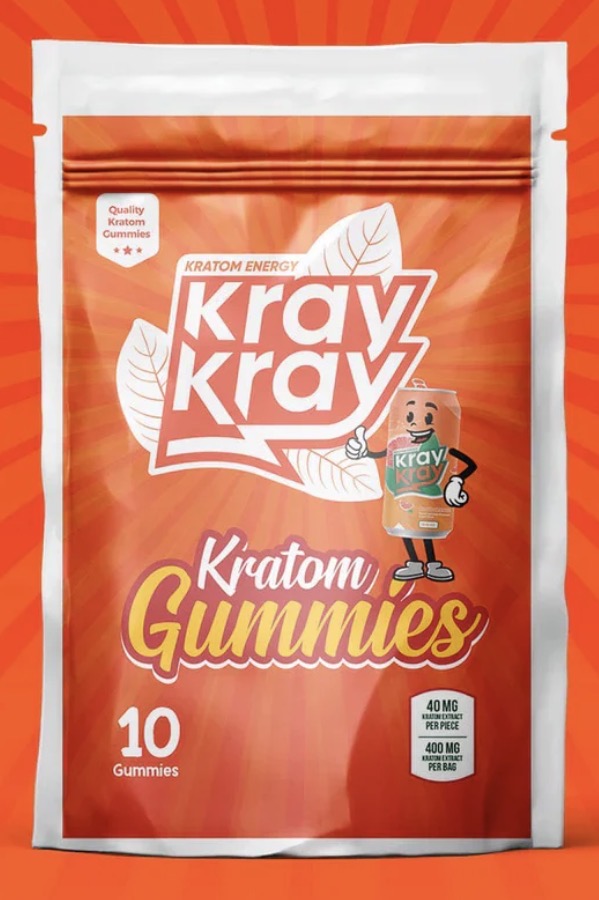
“Kratom Cummies” Gummies
Candy-like gummies with bright packaging. Products like this blur the line between a drug and a treat.
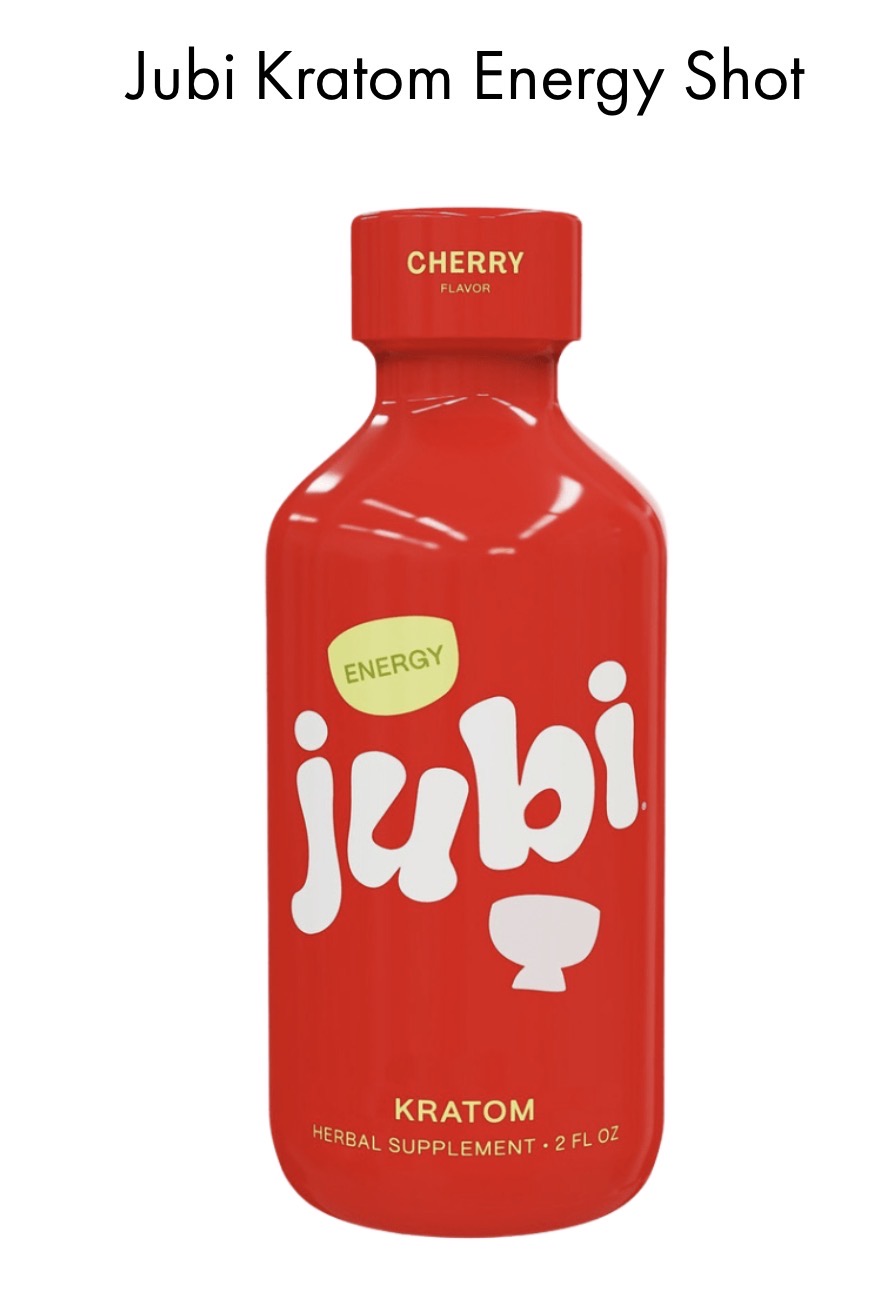
Jubi Kratom Energy Shot
Looks like an energy shot or flavored drink. A small bottle can hide a much bigger risk.
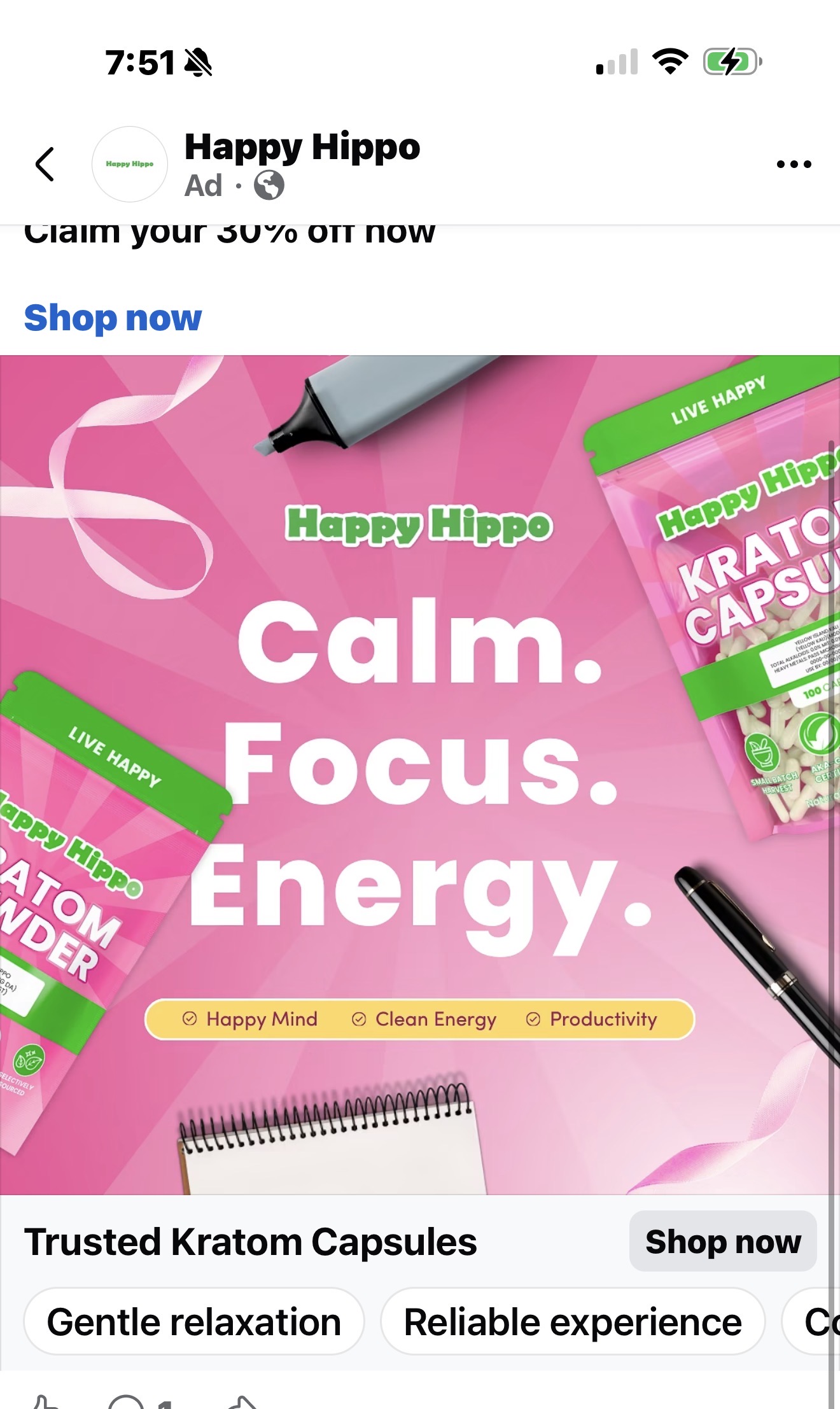
“Back to School” Marketing
School imagery makes kratom feel normal, useful, and routine instead of risky.
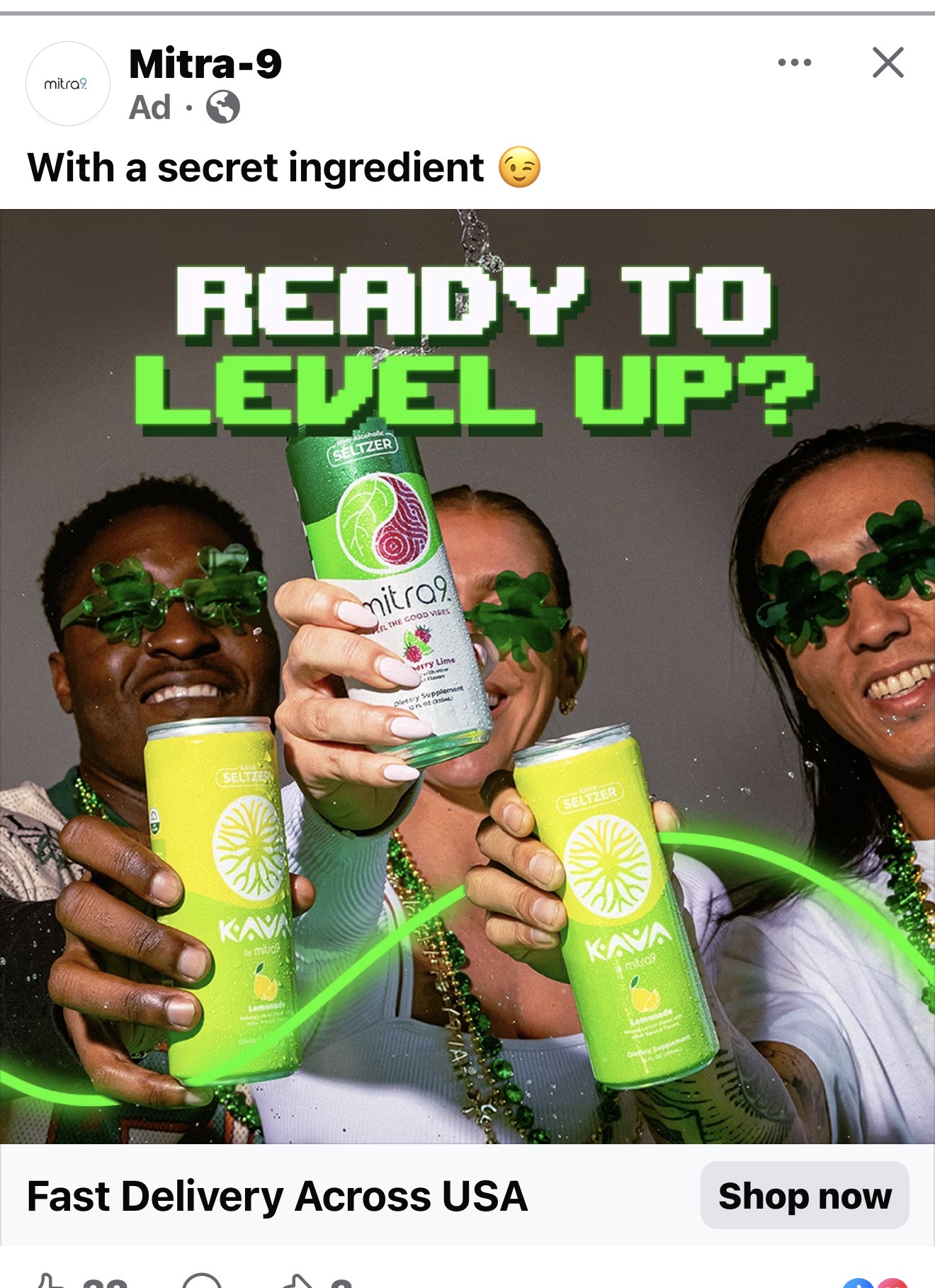
Mitra-9 “Level Up” Ad Gaming-themed presentation may appeal to people interested in energy and focus; the imagery alone does not establish the age of the intended audience.
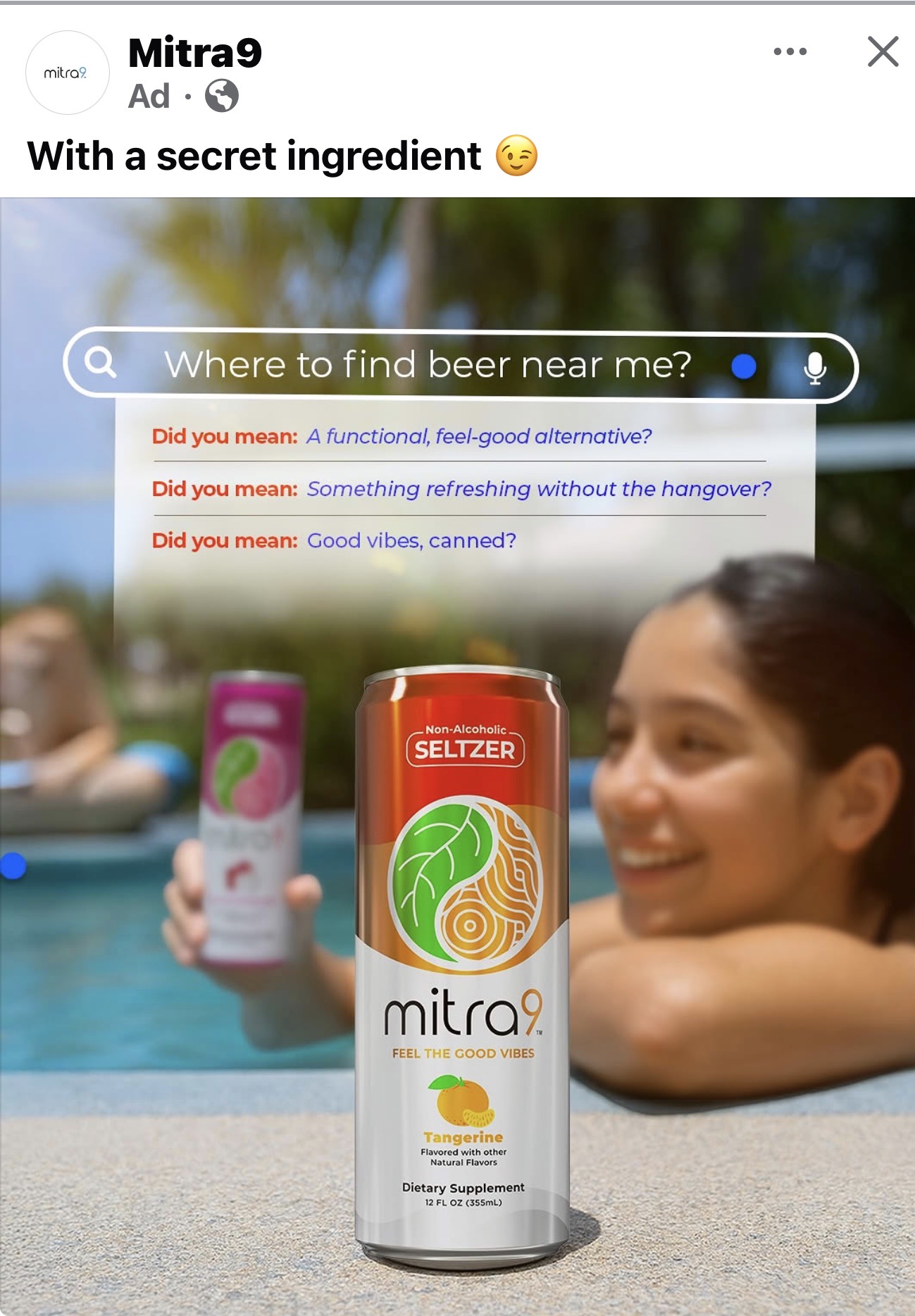
Mitra-9 “Functional Seltzer”
Looks like a sparkling drink. “Feel-good alternative” language hides the opioid-like concern.

“Secret Ingredient” Advertising
Mysterious marketing makes the product seem exciting, not dangerous.
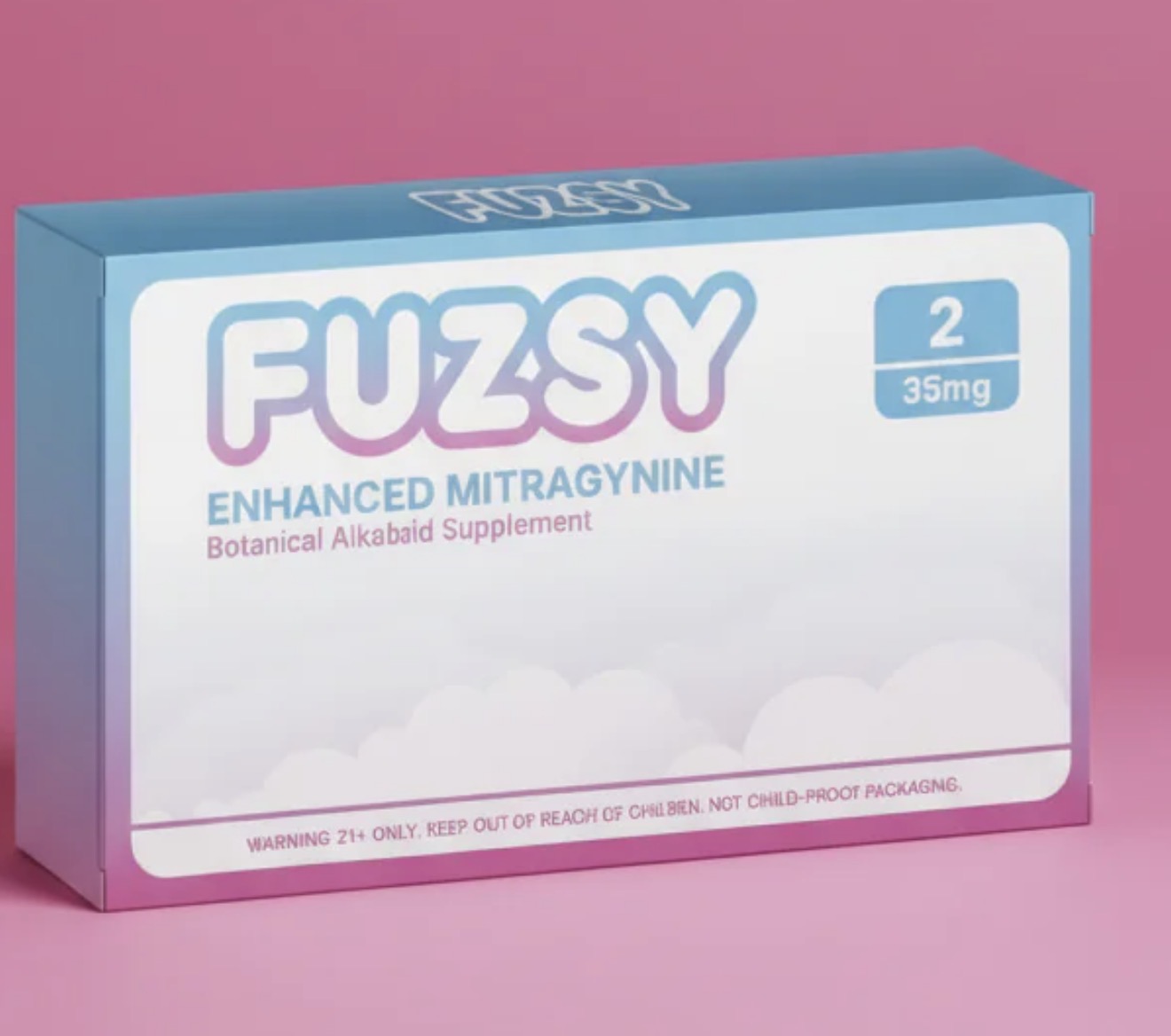
“FUZZY” Enhanced Mitragynine
Soft, playful branding on a product containing enhanced mitragynine. The name sounds harmless. The risk is not.
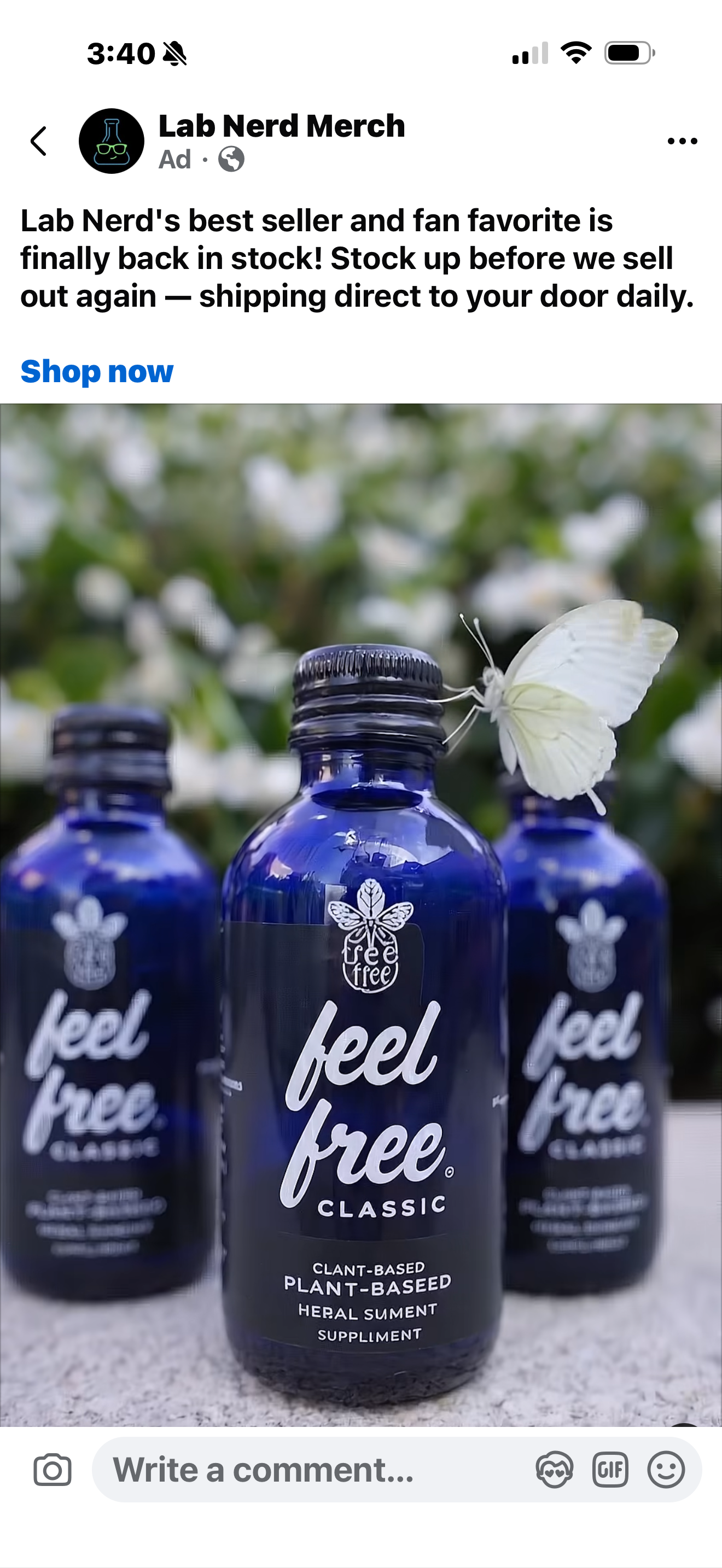
Lab Nerd Merch
Youthful culture, product hype, and “fan favorite” language turn a risky substance into a lifestyle brand.
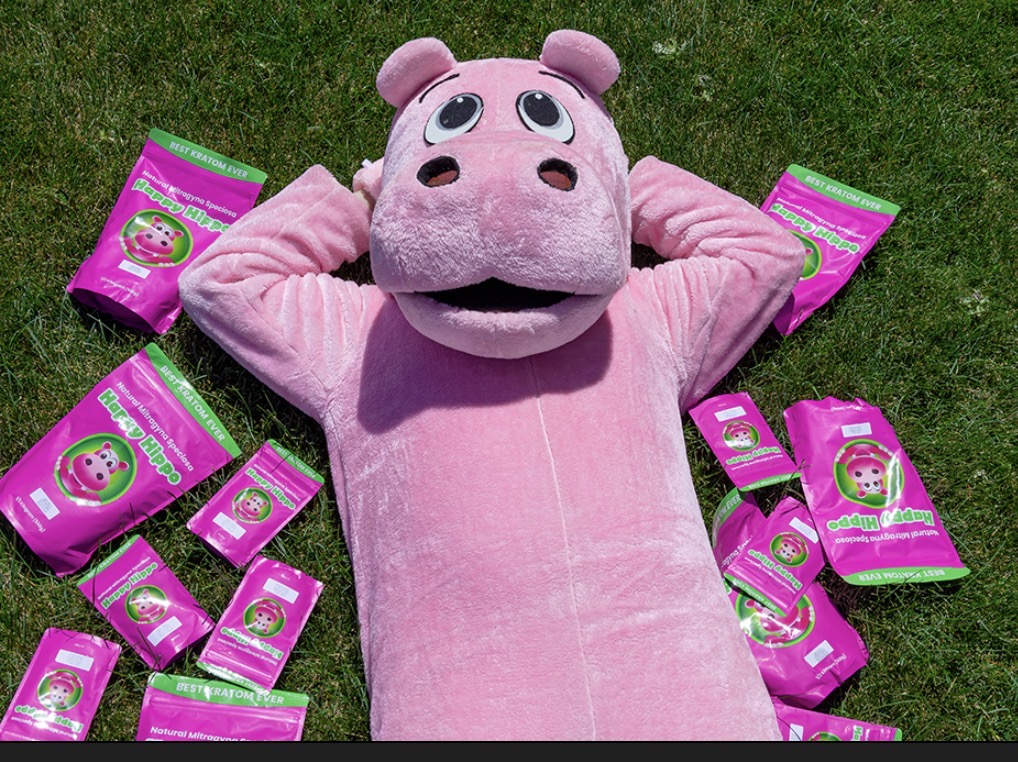
“Best Kratom Ever” Mascot
Cute mascot branding should never be used to sell a substance with opioid-like effects.
The most disturbing part is not just that kratom exists. It is that these products are dressed up to look ordinary, friendly, and safe while being sold in everyday places where families, workers, students, and people in recovery shop.
Opioid activity
Mitragynine interacts with opioid receptors; leaf products are not pharmacologically inert.
Dependence & withdrawal
Tolerance, physical dependence and withdrawal are documented with repeated kratom use.
Serious adverse events
Seizures, liver injury and severe poisonings have been reported; causation varies by case.
Sources and further reading
For scientific and public-health context, consult these primary agency resources. Case reports and surveillance data do not always establish causation.
What to look for in your neighborhood
Red flags on shelves
- Small bottles that look like energy shots
- Gummies, fruit flavors, and candy-like packaging
- Words like “natural,” “focus,” “energy,” “calm,” or “feel good”
- Cartoon mascots, playful names, or youth-style branding
- Products placed near candy, drinks, vapes, or checkout counters
- Fine-print warnings that most shoppers will never read
What communities can do
- Ask local stores why opioid-like products are being sold near candy and drinks.
- Warn neighbors, schools, coaches, churches, and recovery groups.
- Report deceptive marketing to local health departments and consumer protection agencies.
- Tell city councils and state lawmakers that kratom should not be sold like soda.
- File a complaint with the FTC about deceptive marketing: reportfraud.ftc.gov