Corydalis
Hidden Blend Ingredient
A traditional herb is now being repackaged into “euphoric” tablets, extracts, and kratom-adjacent blends. The labels sound botanical. The real concern is hidden combinations, unclear dosing, and unknown interactions.
This is how herbal products become unregulated drug experiments.
Corydalis yanhusuo has a history of traditional herbal use. But the concern today is not a simple traditional preparation. It is concentrated extracts, tablets, “euphoric botanical blends,” and products that combine corydalis-related compounds with kratom alkaloids or other unregulated ingredients.
The average shopper may see words like botanical, euphoric, relaxation, proprietary blend, or 13-hydroxy and assume the product is safe. But these blends can hide the actual ingredient amounts, the pharmacology, and the interaction risks.
It sounds natural.
Words like “botanical,” “herbal,” “traditional,” and “plant extract” make the product feel safe.
It is being modernized.
Traditional herbs are being turned into tablets, extracts, and branded euphoric products.
Blends hide the risk.
“Proprietary blend” can mean consumers do not know exactly what they are taking.
The combinations are the danger.
Corydalis plus kratom alkaloids or other substances may create effects no one has properly studied.
Corydalis blends, explained in plain English
You do not need a medical background to understand the problem. A product can be plant-derived and still be risky, especially when it is concentrated, blended, renamed, and sold without clear safety data.
What is corydalis?
Corydalis yanhusuo is an herb used in traditional Chinese medicine. It contains alkaloids, including tetrahydropalmatine, often shortened to THP, that may affect the nervous system.
Traditional use is one thing. Modern concentrated tablets and proprietary blends sold in the same market as kratom and gas station opioids are another.
Why should regular people care?
Because corydalis is being used as another “natural” ingredient in the unregulated legal-high and kratom-adjacent marketplace.
- A person may buy it for relaxation or sleep.
- A person may buy it for pain relief.
- A person may buy it because the label says “euphoric.”
- A person in recovery may think it is a safer plant product.
- A store owner may stock it without understanding the interaction risks.
Where is it sold?
Corydalis extracts and blends may be sold online, in smoke shops, vape shops, CBD shops, kratom retailers, and botanical supplement markets. Some products are sold as standalone corydalis. Others appear in formulas mixed with mitragynine, 13-hydroxy compounds, or other botanicals.
Its placement matters. When it is sold beside kratom, 7-OH, tianeptine, and other unregulated products, it becomes part of the same risky retail pipeline.
How is it marketed?
The marketing often uses language that makes the product sound calm, clean, or exciting:
- “Euphoric botanical blend”
- “Relaxation”
- “Tranquilizing”
- “Proprietary blend”
- “13-hydroxy”
- “Biomedical”
- “Natural” or “plant extract”
Those words can hide the real issue: what is in the product, how much is in it, and what happens when it is mixed with kratom-like compounds?
Why are blends the concern?
A blend combines ingredients. When those ingredients affect the brain, mood, sedation, pain perception, or opioid-related pathways, the risk can become unpredictable.
“Proprietary” may sound sophisticated, but for consumers it often means less transparency. People may not know what dose they took or what interaction they are experiencing.
What can it do to the body?
Corydalis-related compounds may have sedating and nervous-system effects. Users may seek relaxation, pain relief, sleep, or mood effects.
The major concern is interaction: sedation, dizziness, nausea, impaired coordination, and dangerous effects may be more likely when combined with kratom alkaloids, alcohol, opioids, benzodiazepines, sleep aids, or other depressants.
Can corydalis blends cause harm?
The safety profile of many modern corydalis blends is not well established. Lack of large human studies does not mean safety. It means uncertainty.
Communities should be especially concerned about products that use corydalis in combination with mitragynine, 13-hydroxy compounds, or “euphoric” formulas.
Is it legal?
Corydalis itself is not federally scheduled. But legality does not equal safety. Products marketed for euphoria, pain, sleep, or drug-like effects may raise regulatory concerns.
The legal gray area is exactly why these blends can spread before communities understand what they are seeing.
This is what corydalis blends look like online and in stores
These products do not look like risky drug combinations. They look like wellness tablets, botanical blends, or trendy supplement products. That is what makes them so easy to overlook.
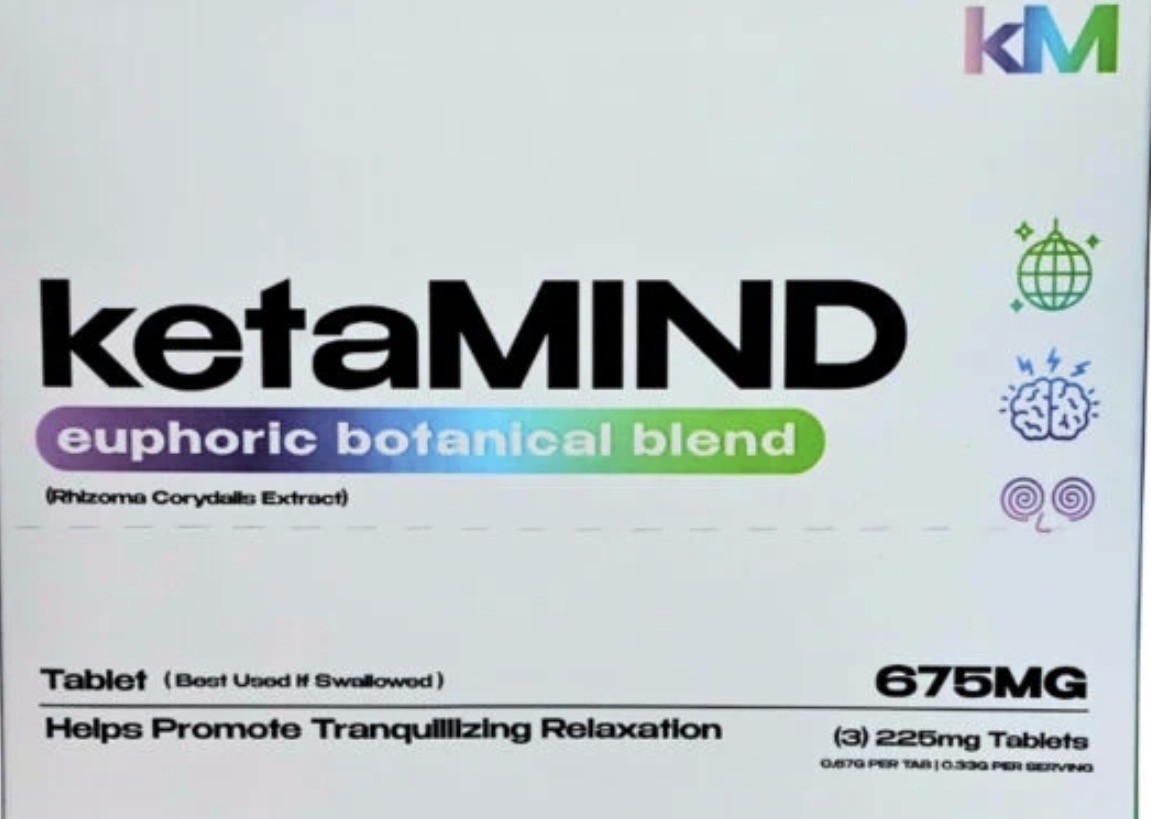
ketaMIND “Euphoric Botanical Blend”
“Euphoric” and “relaxation” language turns a nervous-system-active botanical into a lifestyle product.
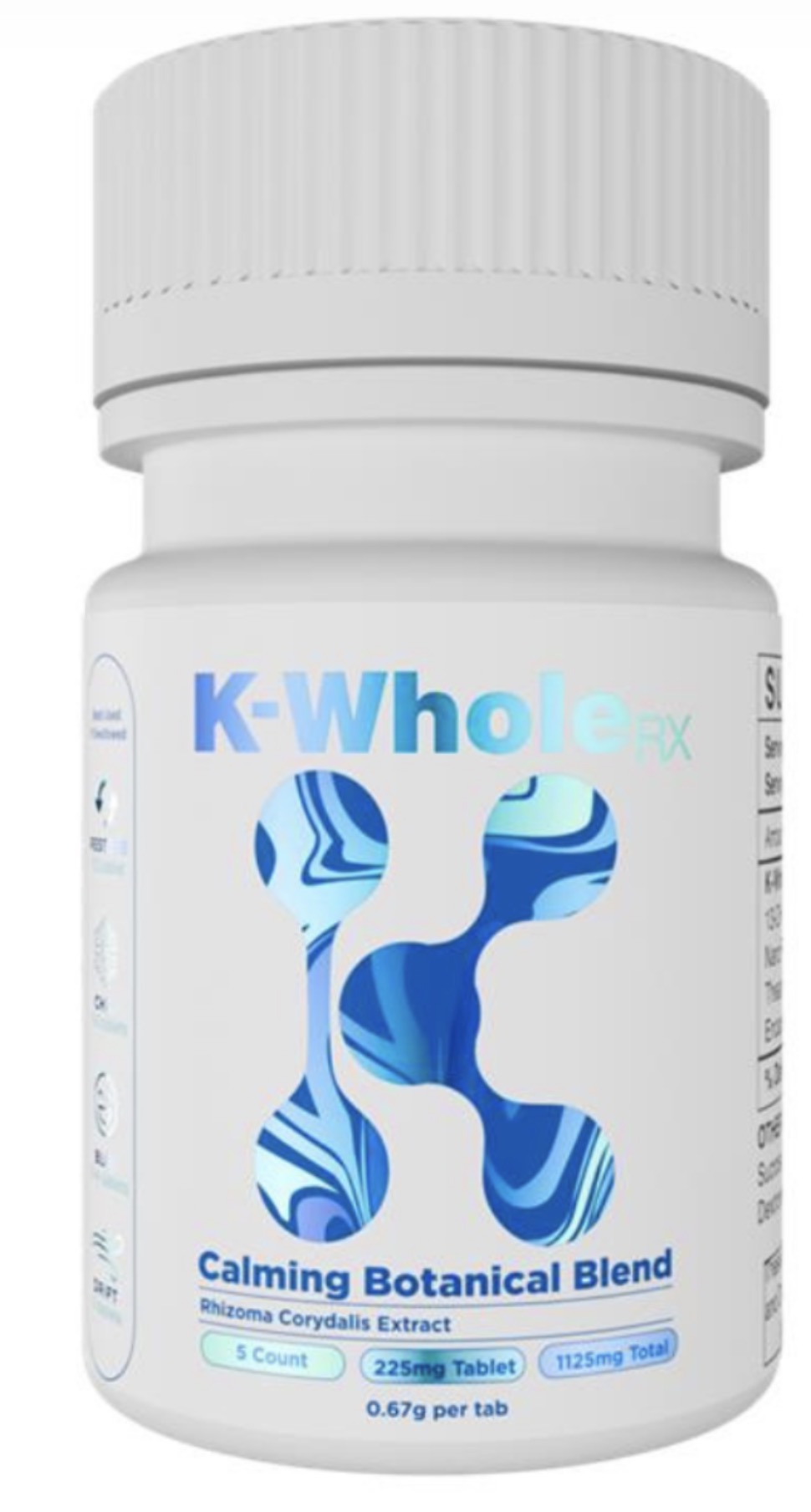
K-Whole Rhizoma Corydalis Extract
Simple packaging can make concentrated extract tablets look ordinary, even when safety questions remain.
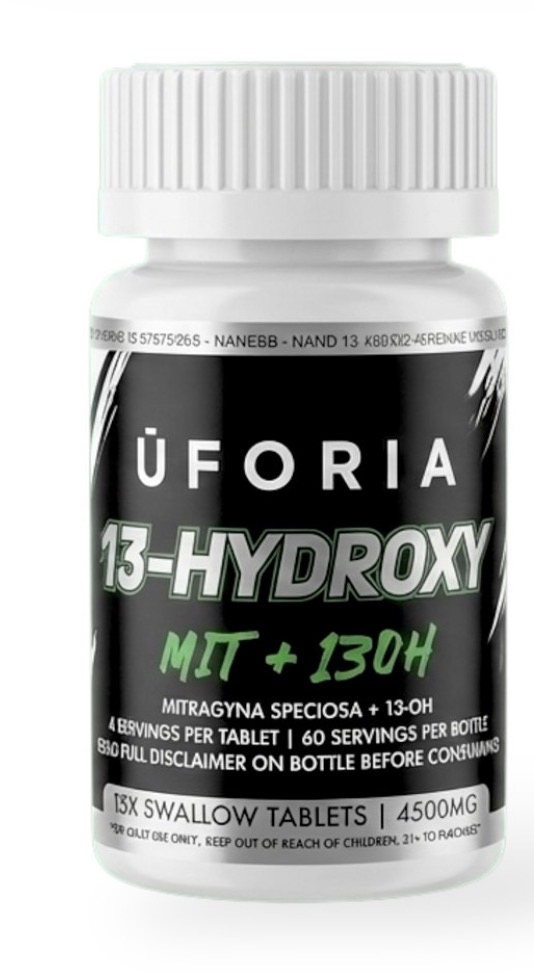
UFORIA 13-HYDROXY
Combines mitragynine with a 13-hydroxy ingredient in a product that sounds scientific but raises serious interaction concerns.
The disturbing pattern is familiar: a traditional herb is extracted, concentrated, renamed, and blended into products marketed for euphoria, relaxation, or enhanced effects. The packaging says botanical. The reality is an unregulated experiment with unclear dosing and unknown interaction risks.
What to look for in your neighborhood
Red flags on shelves
- Labels that say “corydalis,” “Rhizoma Corydalis,” “THP,” “13-OH,” “13-hydroxy,” or “proprietary blend”
- Products marketed as “euphoric,” “tranquilizing,” “relaxing,” “synergistic,” or “enhanced”
- Products combining corydalis with mitragynine, kratom extracts, or other botanicals
- Unclear ingredient amounts, vague blend labels, or no meaningful warning language
- Products sold beside kratom, 7-OH, tianeptine, akuamma, kava, hemp, vapes, or other unregulated products
- Claims that make a drug-like effect sound like wellness
What communities can do
- Ask stores why euphoric botanical blends are being sold without clear ingredient transparency.
- Warn schools, recovery groups, churches, health departments, employers, and neighborhood organizations.
- Report adverse events such as heavy sedation, breathing problems, confusion, dizziness, or movement symptoms to FDA MedWatch.
- Report deceptive “safe botanical blend” marketing to consumer protection agencies.
- File a complaint with the FTC about deceptive marketing: reportfraud.ftc.gov