Kanna
Psychoactive
Botanical
Kanna is a South African plant now sold in modern retail forms, including gummies, vapes, shots, capsules, and melts. It can affect mood, alertness, sleep, and mental state.
Kanna is being repackaged as modern mood, vape, gummy, and “party” products.
Kanna, also known as Sceletium tortuosum, is a plant native to South Africa. It has traditional use for mood and stress. Its active alkaloids include mesembrine and related compounds that can affect serotonin and other brain pathways.
Modern retail products are not the same as traditional use. Concentrated extracts, vapes, melts, shots, and combination products may contain unclear doses, added ingredients, and limited warnings about drug interactions or side effects.
It can look routine.
Gummies, melts, shots, capsules, and disposable vapes may appear similar to ordinary wellness or novelty products.
It is widely available.
Kanna products may be sold in gas stations, vape shops, smoke shops, CBD stores, convenience-style stores, and online marketplaces.
It hides behind natural claims.
“Plant based,” “zero nicotine,” “zero THC,” and “dietary supplement” claims do not prove a product is safe.
Interactions matter.
Because kanna can affect serotonin pathways, people taking antidepressants or other mood medications should avoid combining products without medical guidance.
Kanna, explained in plain English
Kanna is not just a harmless plant trend. It is a mood-altering botanical that may affect brain chemistry. Retail products can be concentrated, blended, or poorly labeled.
What is kanna?
Kanna is the common name for Sceletium tortuosum, a succulent plant native to South Africa. It has been traditionally chewed, brewed, smoked, or used as a snuff.
Today, companies sell kanna as gummies, vapes, shots, capsules, powders, and sublingual melts. These products may be marketed for mood, calm, sociability, focus, or a recreational effect.
Why should families and communities be concerned?
The concern is not traditional plant use. The concern is concentrated retail products sold with limited safety information, unclear dosing, and marketing that may suggest intoxication or a “legal high.”
- Misleading forms: Gummies, melts, vapes, and shots can make a psychoactive product appear low-risk.
- Unclear dosing: Milligram amounts do not always explain how strong the active alkaloids are.
- Interaction risk: Kanna may interact with antidepressants, MAOIs, stimulants, MDMA, tramadol, St. John’s wort, and other serotonin-active substances.
- Limited research: Most human studies are small, short-term, and often use standardized extracts, not retail vapes, gummies, or blended products.
Where is kanna sold?
Kanna products may be sold in gas stations, vape shops, smoke shops, CBD stores, convenience-style stores, head shops, and online. Products may appear near kratom, kava, phenibut, hemp-derived cannabinoids, mushroom blends, or other psychoactive botanicals.
Community members should look for “kanna,” “Sceletium tortuosum,” “sceletium,” “mesembrine,” or branded extracts such as “Zembrin.”
How is it marketed to look safe?
Kanna products often use natural, social, mood, wellness, or “zero” language that may make the product seem safer than it is.
- “Zero nicotine” or “zero THC”
- “Plant based”
- “Dietary supplement”
- “Mood support”
- “Fast acting”
- “Party enhancement” or “social ease”
“No nicotine” or “no THC” does not mean no psychoactive effect.
What are the effects and risks of kanna?
Reported effects may include mood elevation, relaxation, sociability, drowsiness, alertness, or changes in perception. Side effects reported in studies and safety reviews include headache, nausea, stomach upset, fatigue, drowsiness, difficulty concentrating, and trouble sleeping.
Higher-dose, recreational, inhaled, or blended products may carry additional risks that are not well studied.
Can kanna interact with medications?
Yes. Kanna contains compounds that may affect serotonin pathways. That matters because many medicines and drugs also affect serotonin.
People taking antidepressants, MAOIs, migraine medicines, tramadol, stimulant drugs, MDMA, St. John’s wort, or other mood-altering substances should not mix them with kanna without medical guidance. Warning signs of too much serotonin can include agitation, confusion, sweating, diarrhea, tremor, muscle stiffness, fever, fast heart rate, or seizures.
Is kanna legal?
Kanna is not federally scheduled as a controlled substance in the United States. However, legal availability does not mean a product has been reviewed for safety, purity, accurate labeling, or use in vapes and high-dose retail products.
Rules may vary by workplace, school, military policy, state law, and product contents.
What about kanna vapes?
Kanna vapes are a special concern because inhaling concentrated plant extracts is not the same as traditional use. The long-term effects of vaping kanna are not well studied.
Vape products may also contain solvents, flavors, cannabinoids, stimulants, or other ingredients that are not obvious from the front label.
What about melts, strips, and sublingual products?
Sublingual products dissolve in the mouth and may act faster than capsules. Faster onset can make it easier for someone to take more before they understand how the product affects them.
These products should not be treated as ordinary mints or wellness candies. They can contain concentrated psychoactive extracts.
Is kanna addictive?
Research on kanna dependence is limited. Some users report tolerance, cravings, mood changes, or feeling unwell after heavy use, but there is not enough high-quality evidence to describe a predictable withdrawal syndrome.
The safer message is simple: repeated use of any mood-altering product, especially one sold in concentrated or blended forms, can create risk.
Kanna products on retail shelves and online
These products may look like vapes, gummies, melts, shots, or wellness supplements. The appearance can make the risk easy to miss.

Ferris Wheel Kanna Advertisement
Branded kanna marketing may emphasize natural or wellness themes while giving little practical safety information.
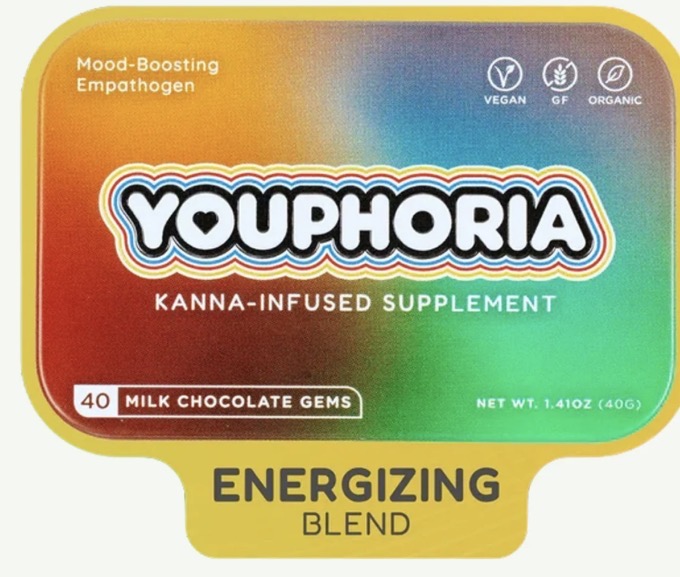
Youphoria Kanna-Infused Chocolate
Energizing blend marketed as a chocolate supplement, making psychoactive ingredients look like a treat.
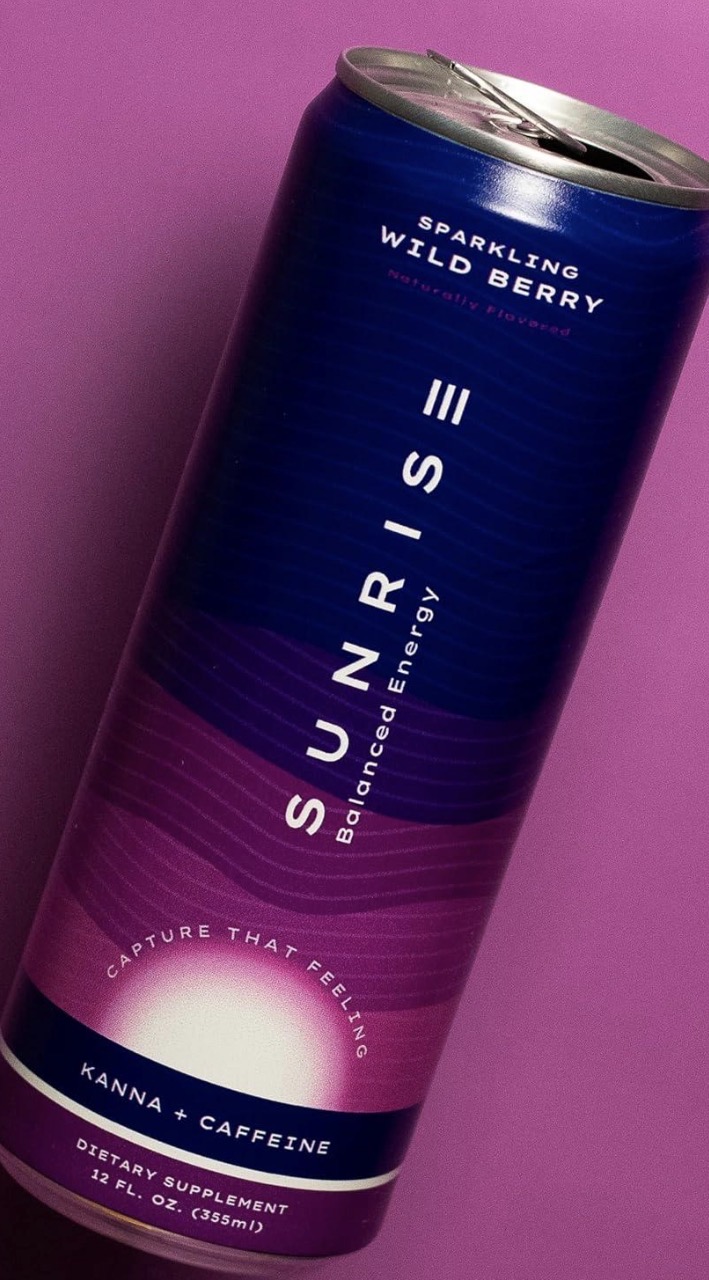
Purple Kanna Energy Drink
Canned beverage marketed as a kanna energy drink, blending stimulant and psychoactive claims.
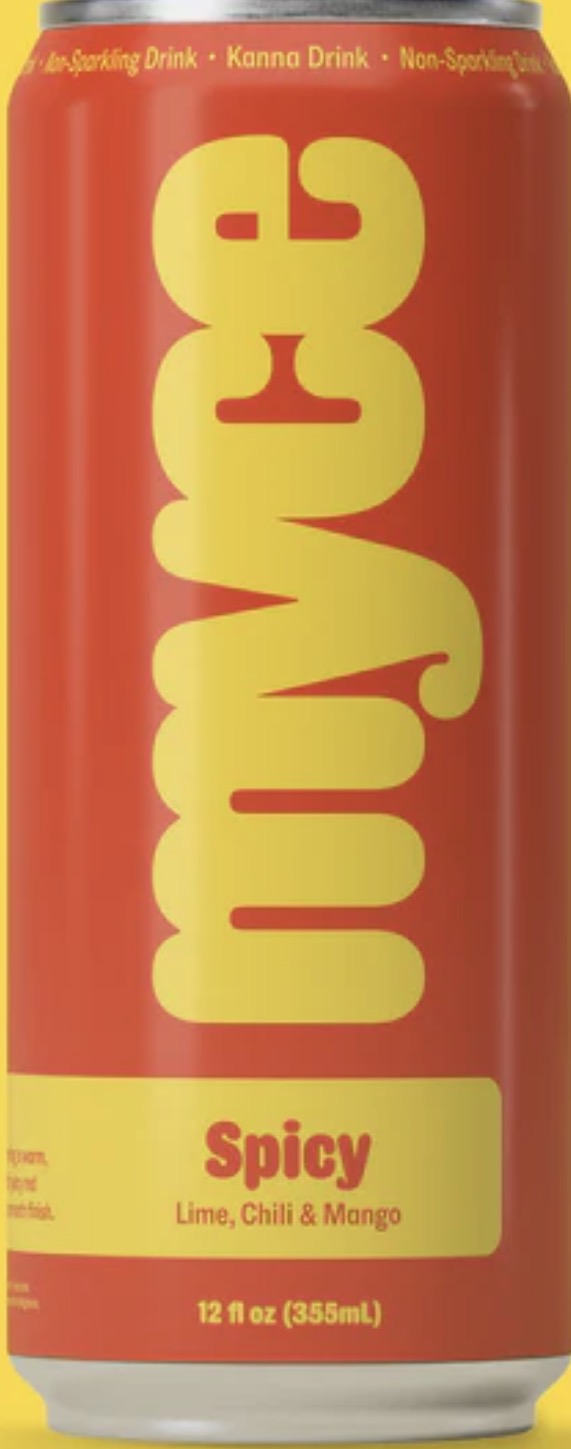
MYTH Spicy Kanna Energy Drink
Slim can with bold flavor and branding, obscuring the potential risks of the kanna extract.
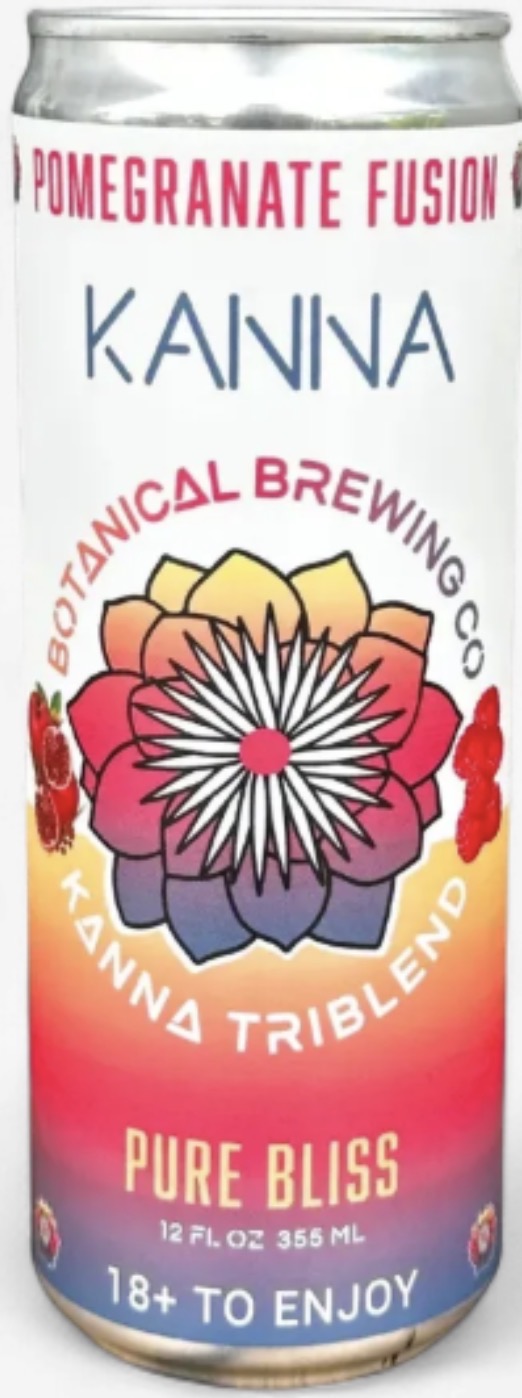
Pure Bliss Kanna Beverage
Pomegranate-flavored botanical drink labeled “Pure Bliss,” implying safety without clear warnings.
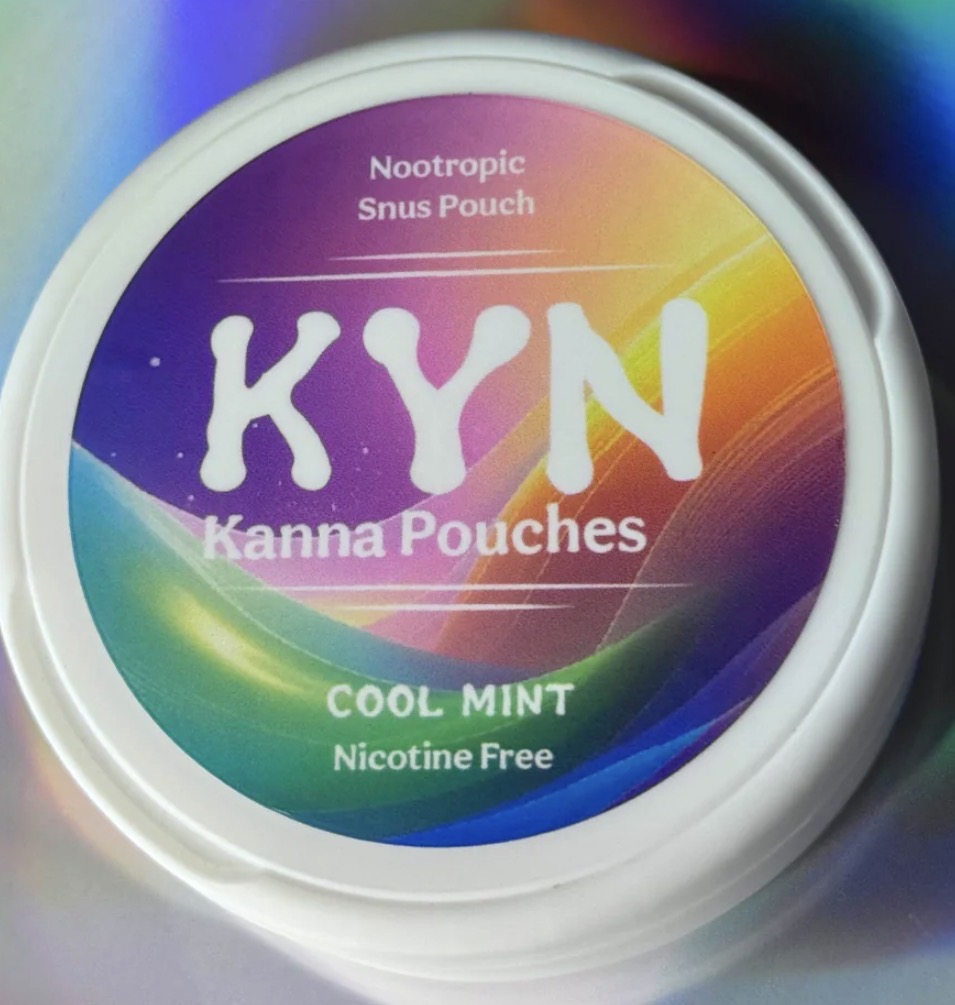
KYN Nicotine-Free Kanna Pouches
Oral pouches marketed as a nicotine alternative, but containing psychoactive kanna extract.
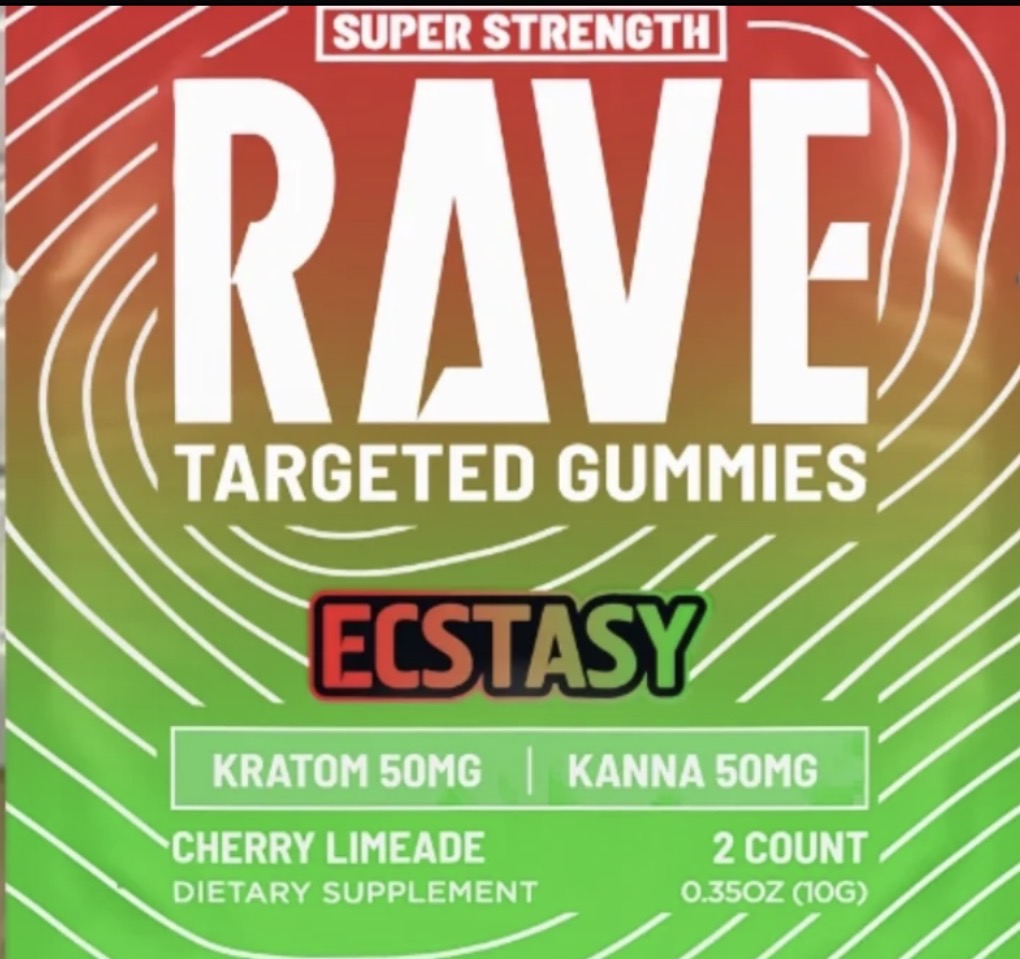
RAVE Ecstasy Gummies
Gummies containing kratom and kanna, with a drug-themed name that normalizes recreational use.
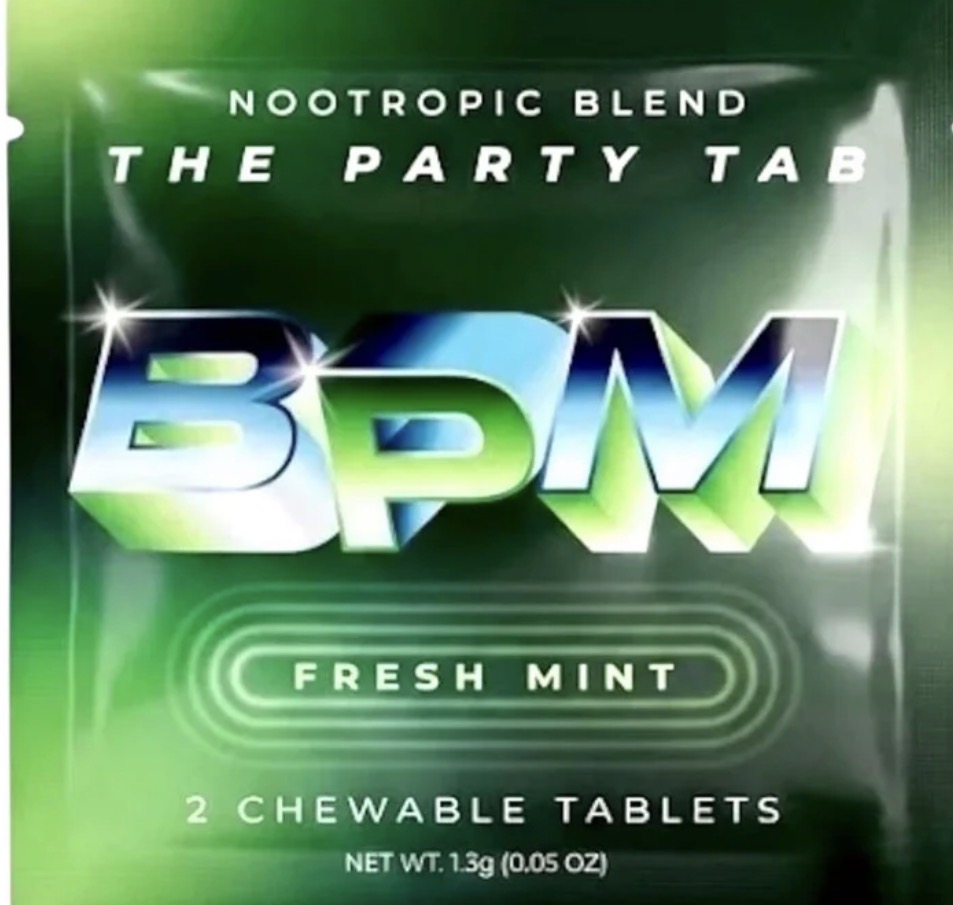
BPM Nootropic Chewable Tablets
Chewable tablets with a kanna blend, marketed for cognitive enhancement while hiding mood-altering effects.
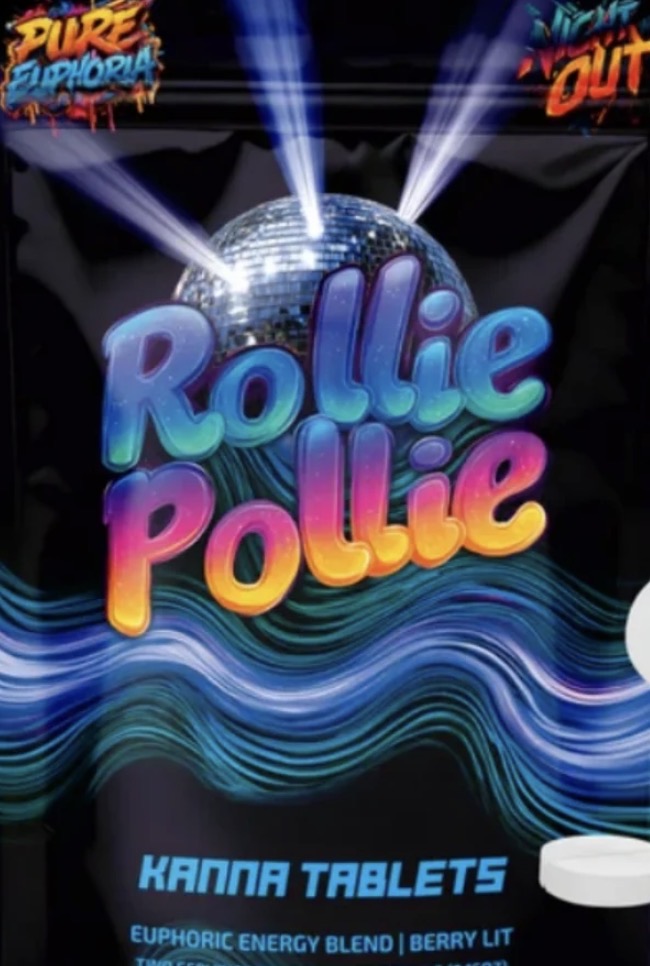
Rollie Pollie Kanna Tablets
Tablets marketed as a psychoactive supplement, with playful branding that understates the risk.
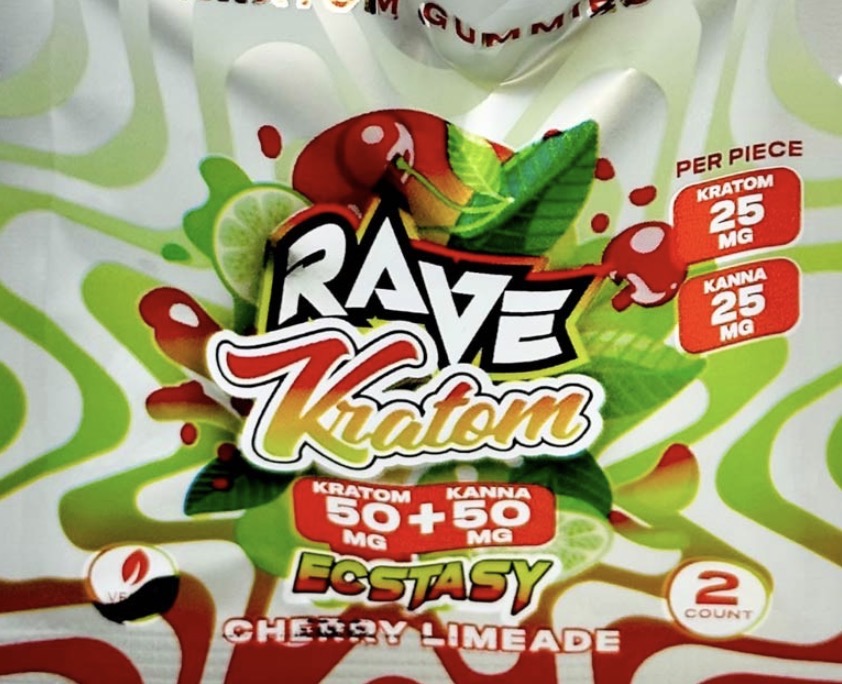
RAVE Kratom Gummies with Kanna
Kratom gummies with added kanna extract, combining two psychoactive botanicals.
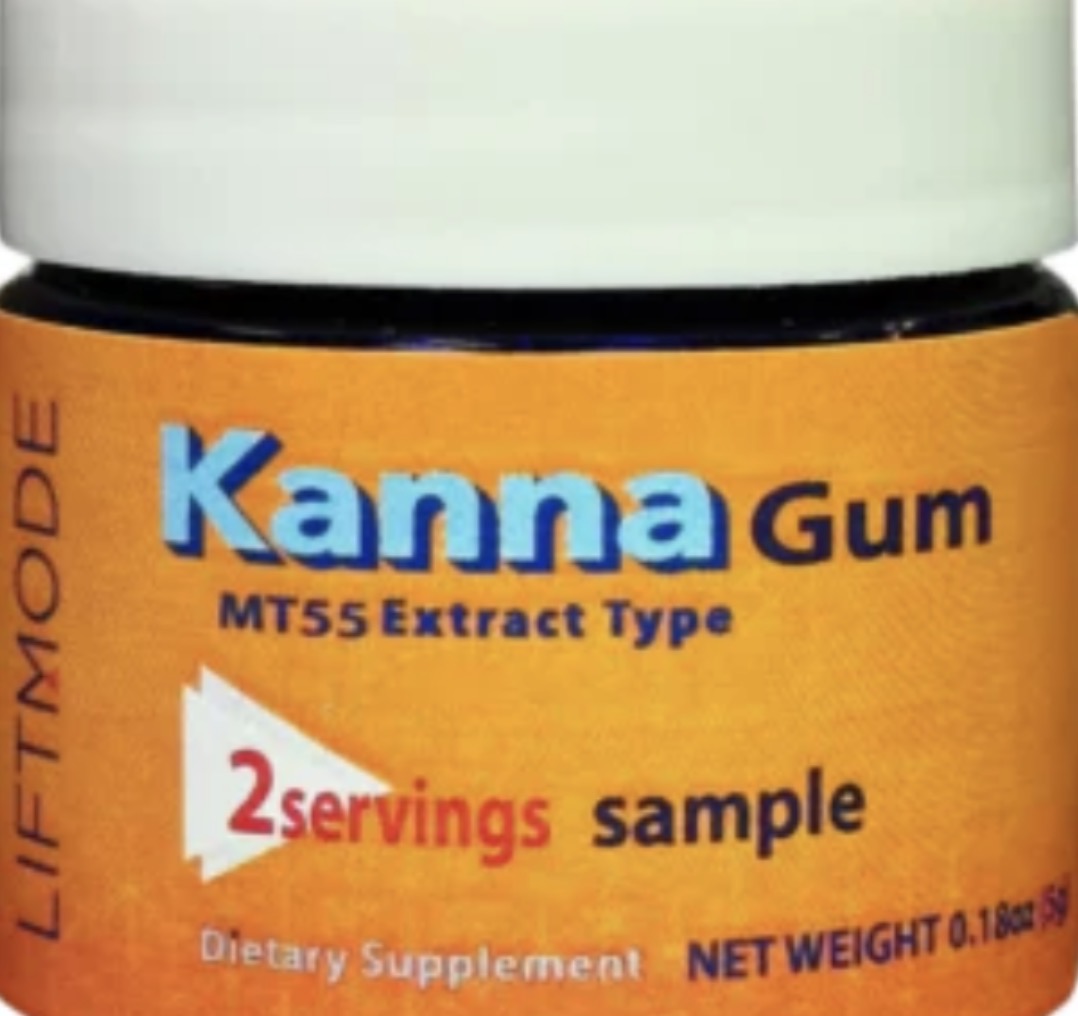
Kanna Gum (MT55 Extract)
Chewing gum containing MT55-type kanna formulation, making it easy to consume without dose clarity.
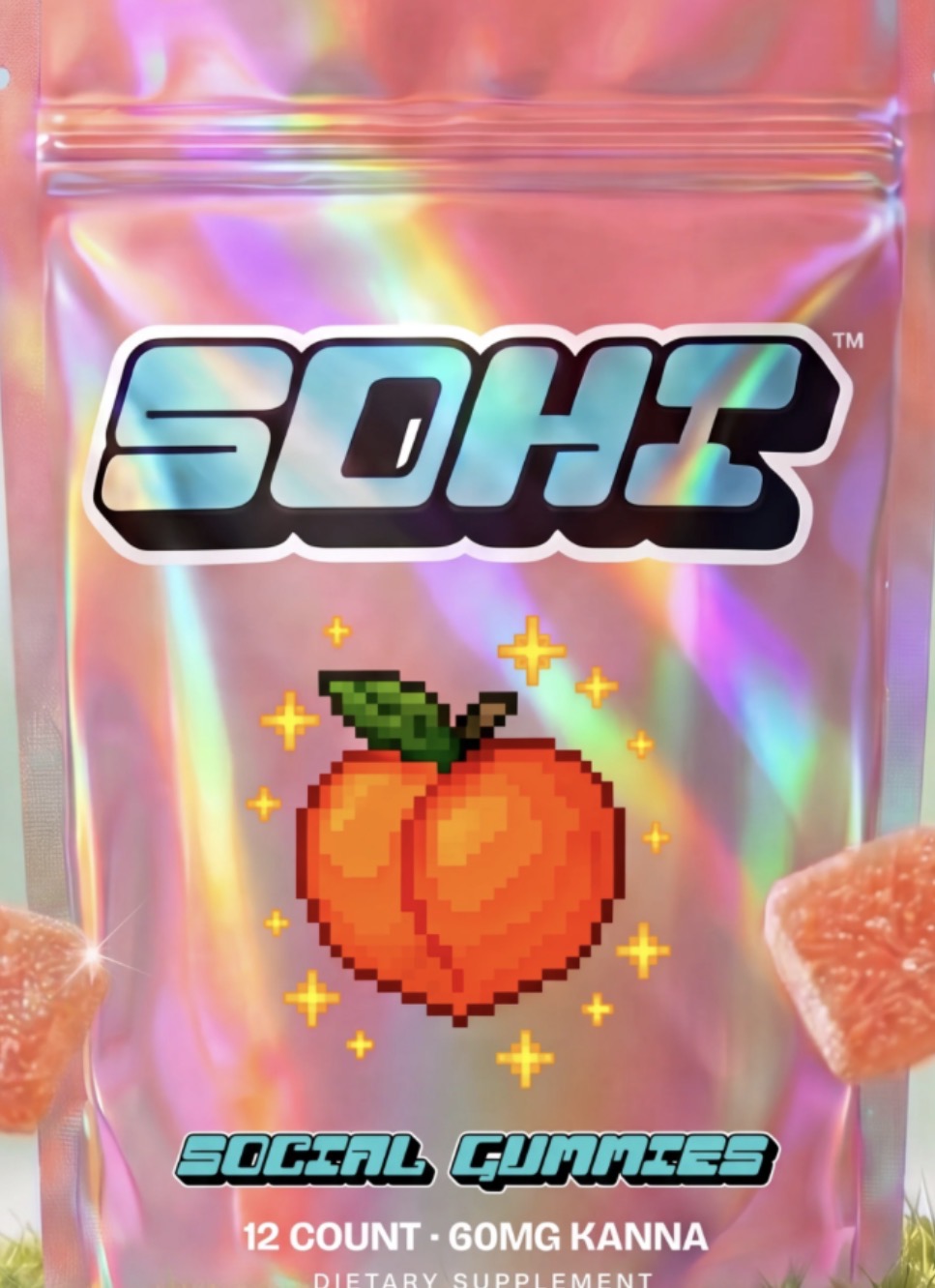
SOHI Kanna Gummies
Fruit-flavored gummies that appeal to a broad audience while containing mood-altering compounds.
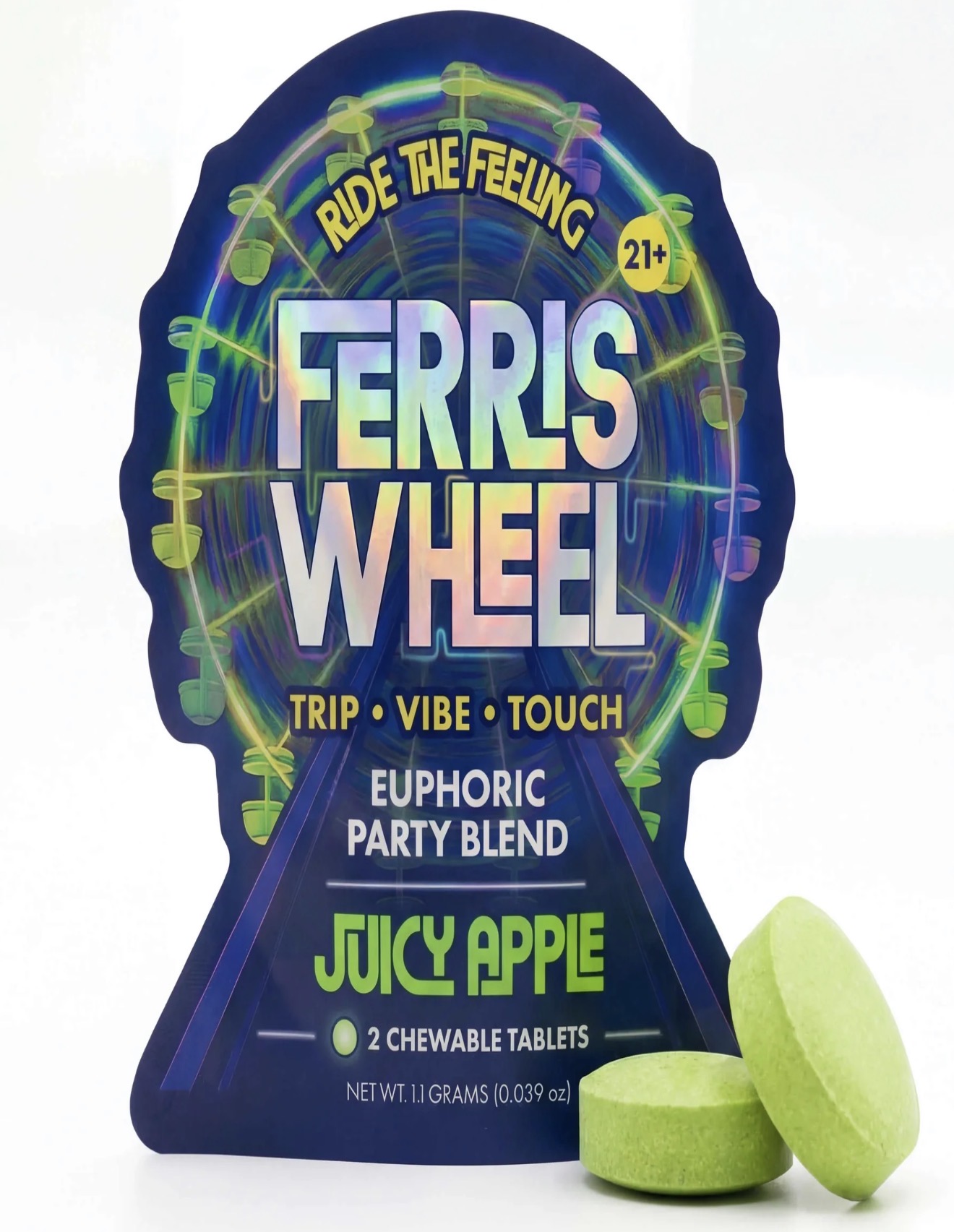
Ferris Wheel Euphoric Party Blend
Flavored pouch labeled as a euphoric party blend, encouraging recreational use without safety warnings.
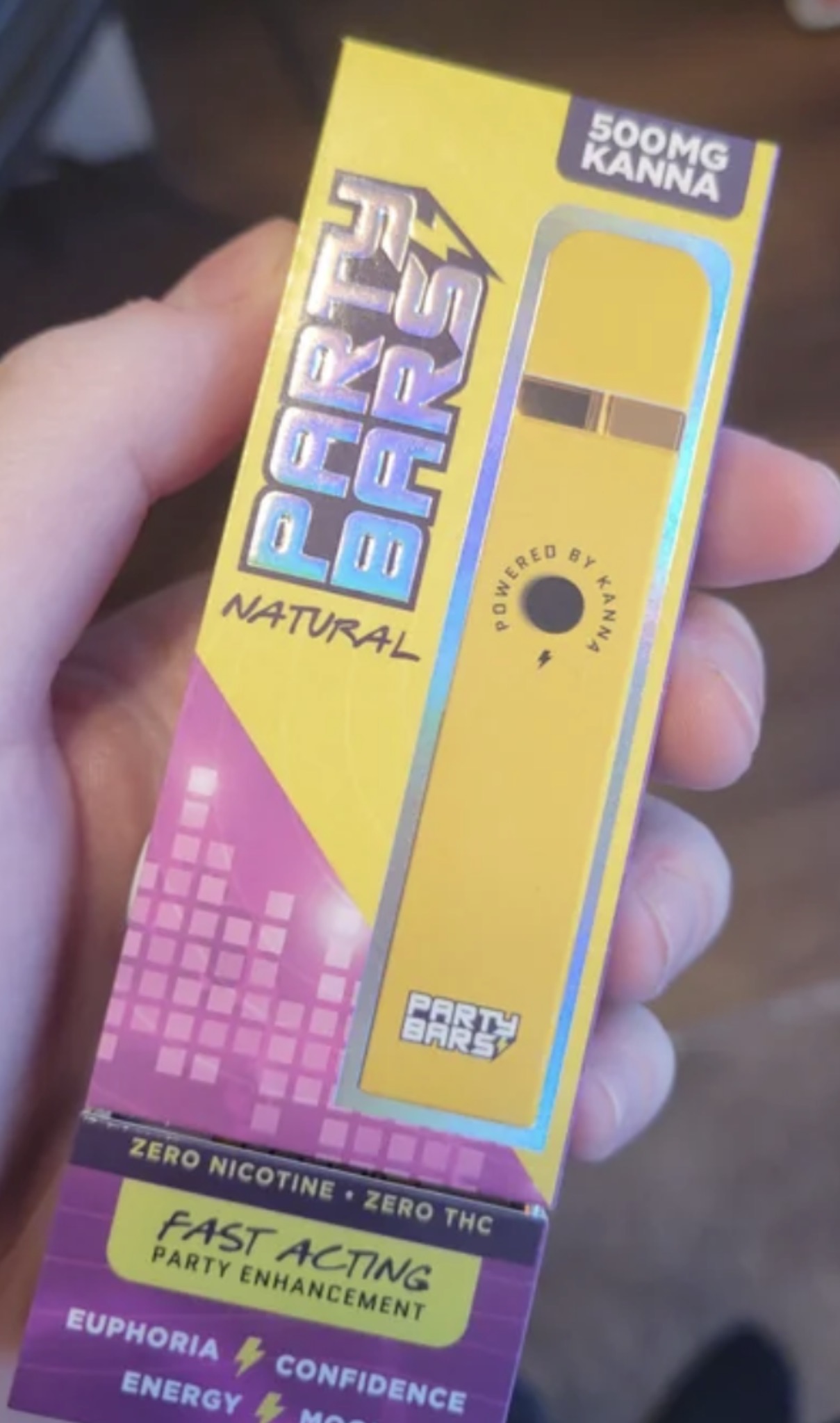
Portable Kanna Disposable Vape
Portable kanna disposable vape marketed as containing concentrated kanna extract for inhalation.
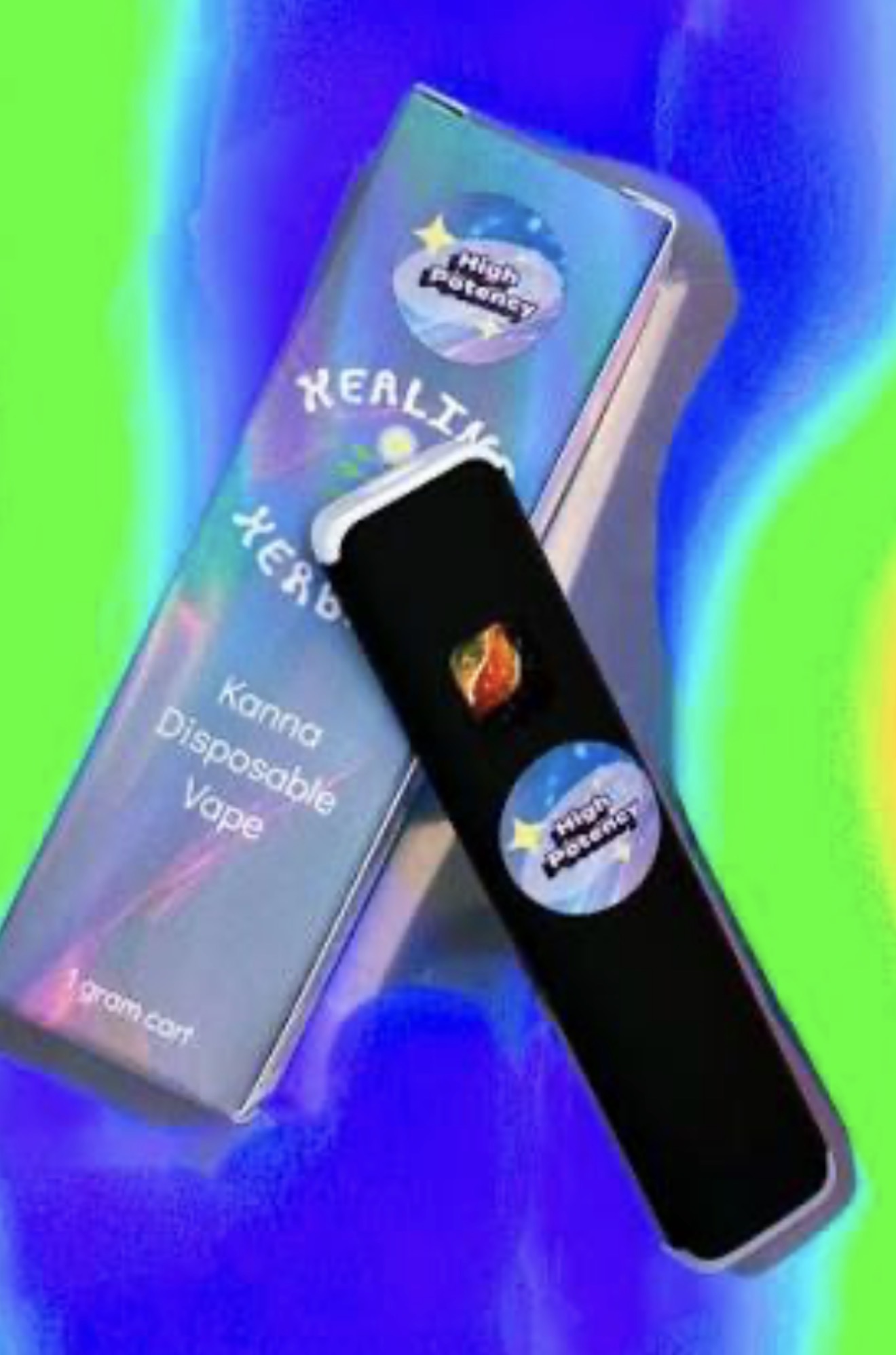
Kanna Disposable Vape Device
Kanna disposable vape device and retail packaging marketed for inhalation, with unclear safety information.
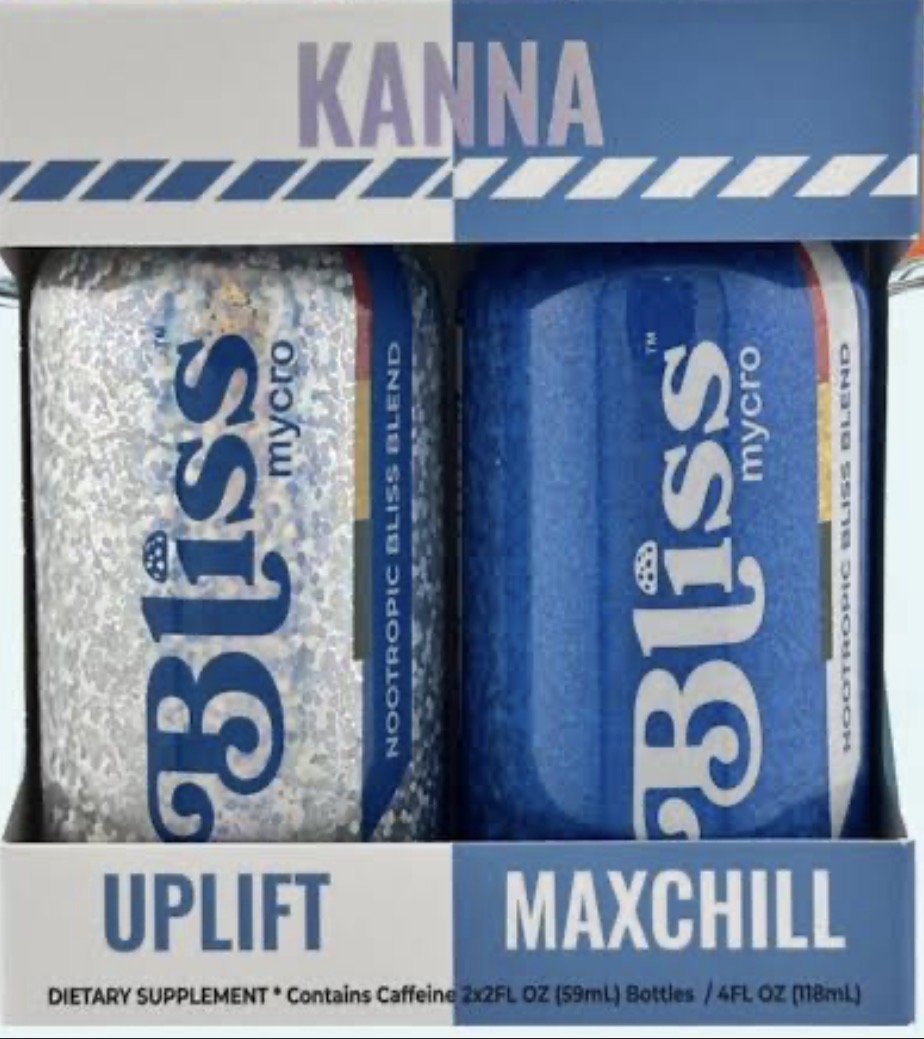
Bliss Kanna Beverages
“Uplift” and “Max Chill” functional drinks containing kanna extract, marketed as mood-enhancing beverages.
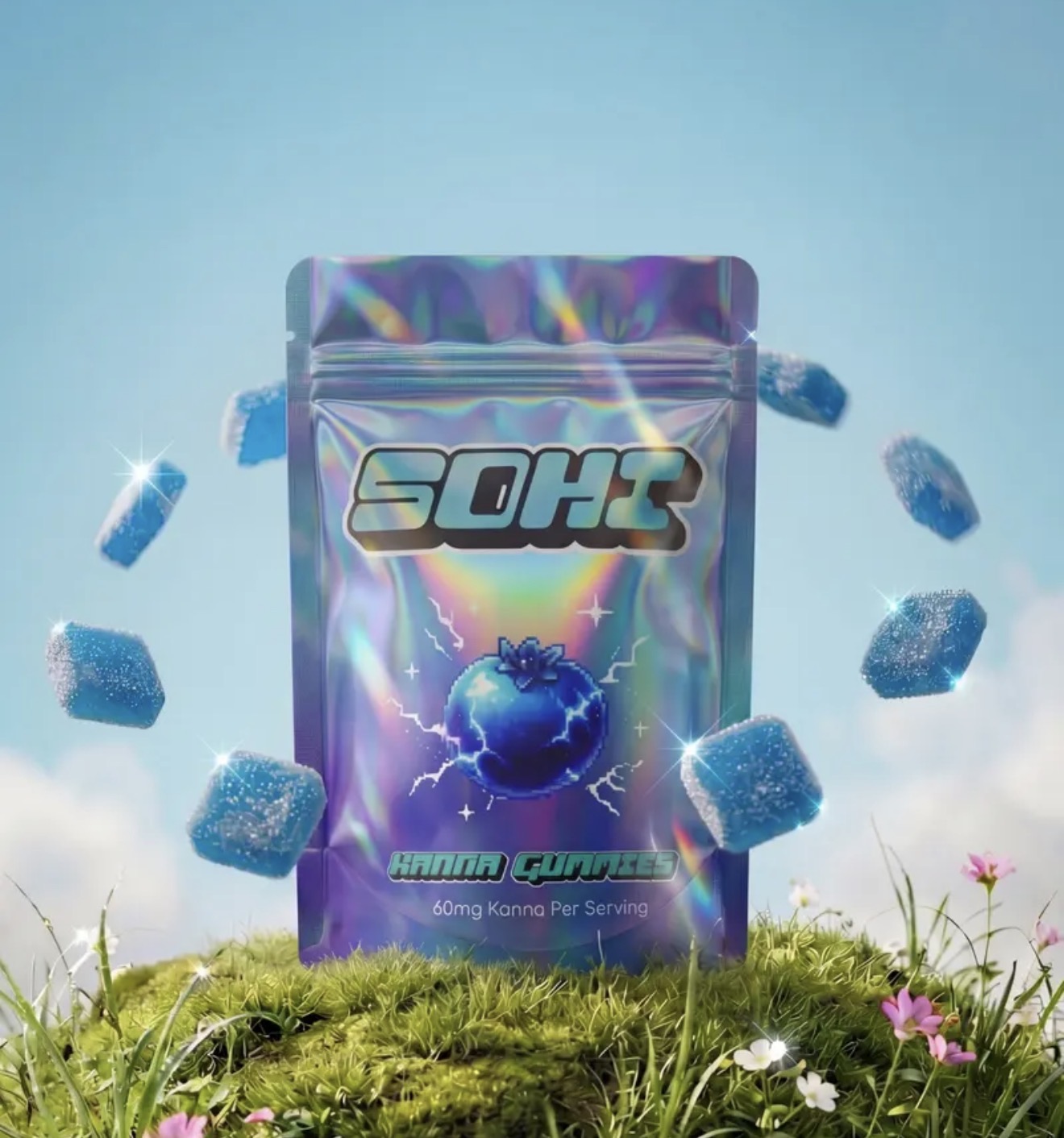
SOHI Kanna Gummies
Fruit-flavored gummy cubes displayed as a mood-enhancing supplement containing kanna extract.
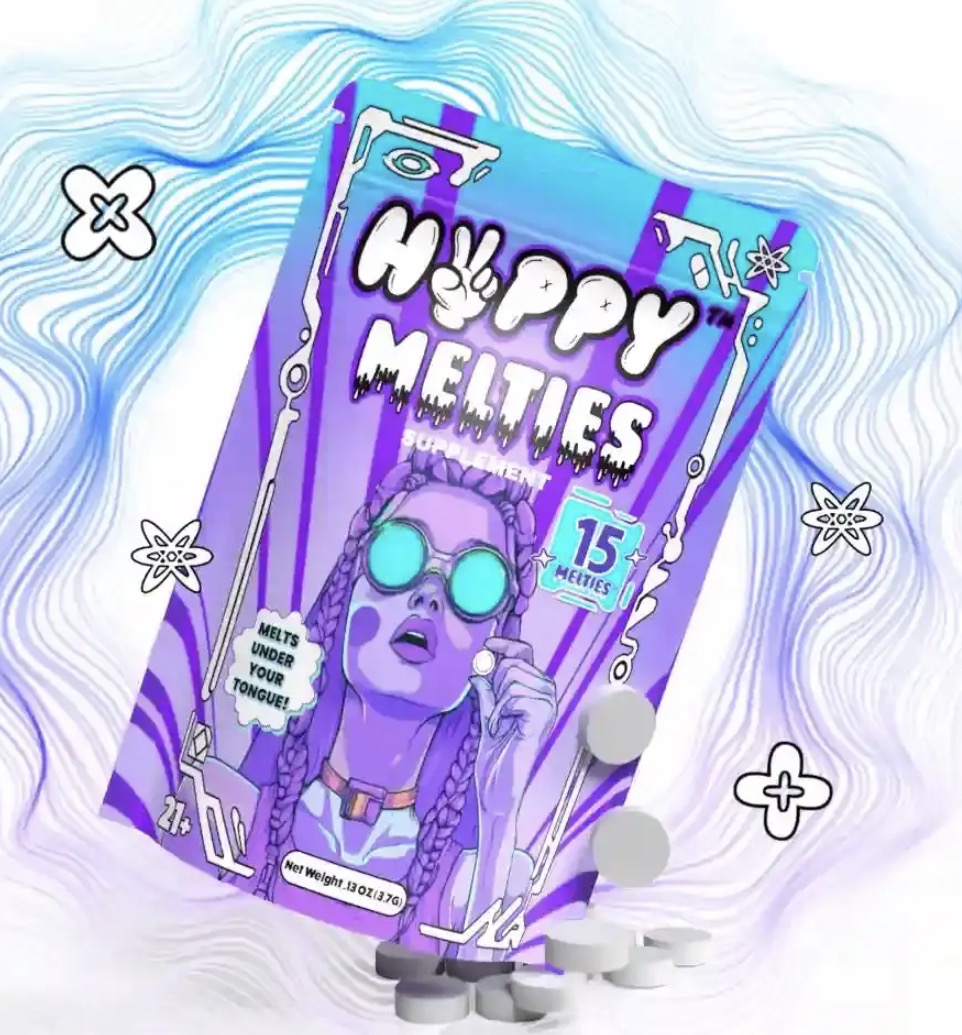
Hippy Melties Kanna Gummies
Psychoactive edible gummies containing kanna extract, marketed with playful branding that understates risk.
The danger is not only the plant. It is the way concentrated kanna products can be marketed as simple mood, social, vape, or party products without clear warnings about interactions, side effects, inhalation risks, and added ingredients.
What to look for in your neighborhood
Red flags on labels
- Products labeled “Kanna,” “Sceletium,” “Sceletium tortuosum,” “mesembrine,” or “Zembrin.”
- Gummies, melts, vapes, shots, capsules, powders, or strips promoted for mood, calm, sociability, focus, or party use.
- Products that combine kanna with caffeine, kratom, kava, hemp-derived cannabinoids, mushrooms, or other psychoactive botanicals.
- Disposable vape pens labeled “kanna,” “herbal,” “zero nicotine,” or “zero THC.”
- Labels that do not clearly warn about antidepressants, MAOIs, serotonin-active drugs, or other interaction risks.
- Products sold near kratom, kava, phenibut, blue lotus, hemp-derived cannabinoids, mushroom blends, or other psychoactive botanicals.
What communities can do
- Take clear photos of the front label, ingredient panel, warnings, lot number, and shelf display.
- Warn schools, parent groups, prevention coalitions, recovery groups, and community organizations about kanna vapes, gummies, shots, and melts.
- For immediate symptoms or accidental exposure, call Poison Control at 1-800-222-1222.
- Report deceptive marketing to the FTC: reportfraud.ftc.gov
- Report serious adverse events to FDA MedWatch and share concerns with local health departments.
- Ask local and state officials to review labeling, retail sale, product testing, and enforcement gaps.