Poppers
Alkyl Nitrites
Small bottles sold as “leather cleaner,” “room odorizer,” “solvent cleaner,” or “nail polish remover” are often actually nitrite inhalants. FDA warns these products can cause severe injury or death.
What are poppers?
“Poppers” is a street name for products containing nitrites, often alkyl nitrites such as amyl nitrite, isobutyl nitrite, isopropyl nitrite, or related chemicals. They are sold in small bottles and may be marketed as nail polish removers, leather cleaners, solvent cleaners, liquid incense, or room odorizers.
People inhale the vapors for a brief rush, lightheadedness, warmth, euphoria, and muscle relaxation. The effects can happen within seconds and usually fade quickly, which can lead some users to inhale repeatedly. FDA advises consumers not to purchase or use nitrite poppers because ingestion or inhalation has been linked to hospitalizations and deaths.
Small bottles
Often sold in 10 mL to 40 mL bottles with bright labels, party-style names, or “cleaner” language.
Misleading labels
“Leather cleaner,” “room odorizer,” “solvent cleaner,” and “nail polish remover” labels can hide recreational use.
Major interaction risk
Poppers can dangerously lower blood pressure, especially with Viagra, Cialis, nitrates, or blood-pressure medicines.
Never swallow
Swallowing poppers can cause life-threatening poisoning, including severe oxygen problems and death.
Examples of popper products on shelves and online
These are examples of products sold in small bottles with names or labels that may disguise nitrite inhalant use. Packaging often includes cleaner, odorizer, or nail polish language.
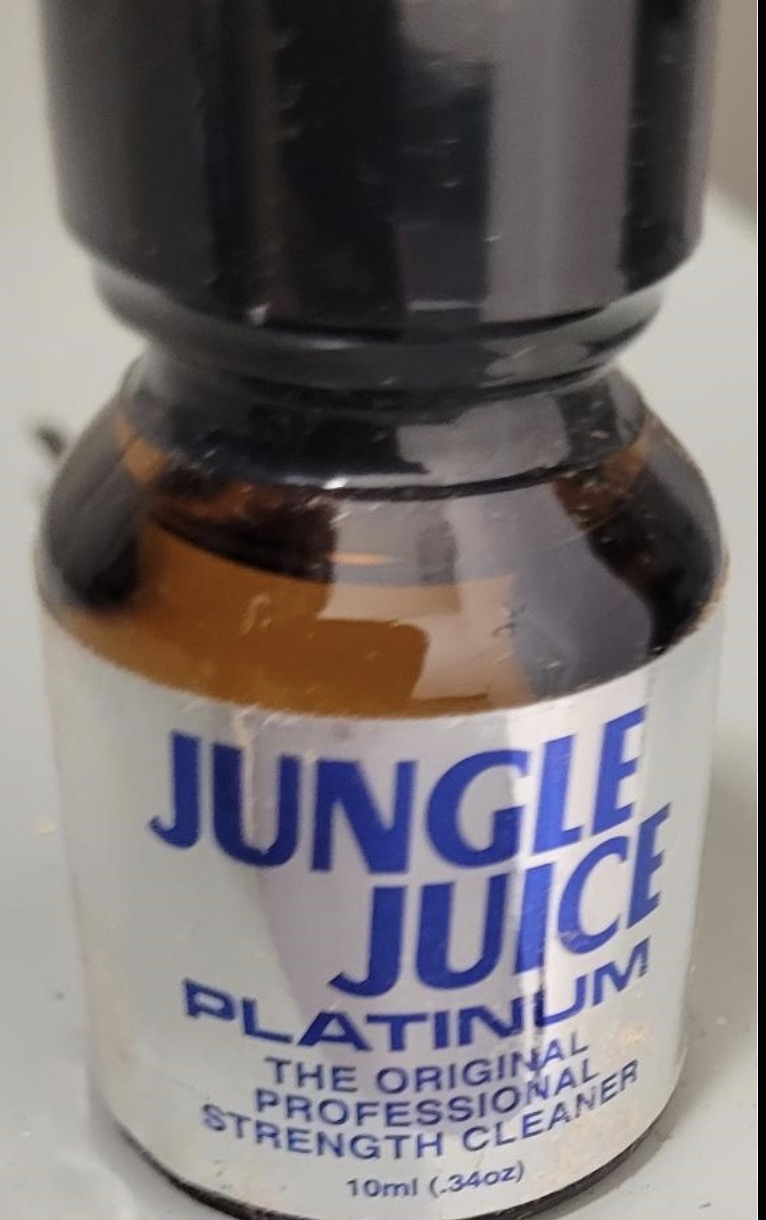
Jungle Juice
FDA lists Jungle Juice among brand examples of nitrite poppers sold in small bottles.
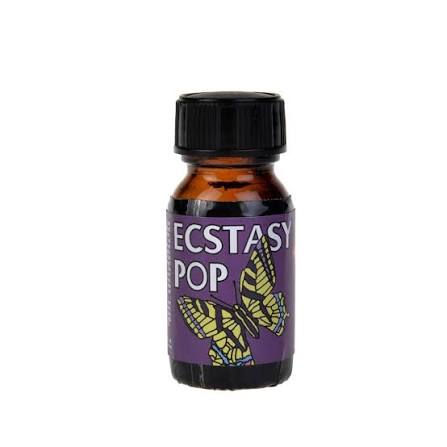
Ecstasy Pop
Drug-themed or party-style names should prompt closer review of the ingredients and warning labels.
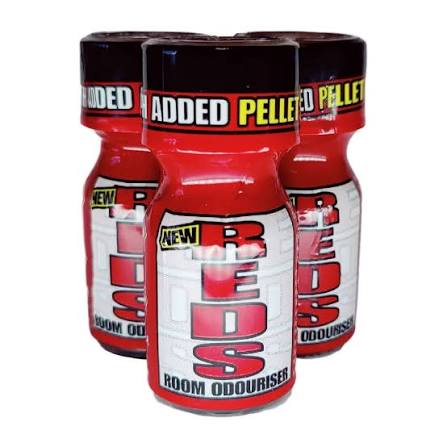
Speed
Small-bottle products with stimulant-style names may be marketed in ways that obscure chemical risk.
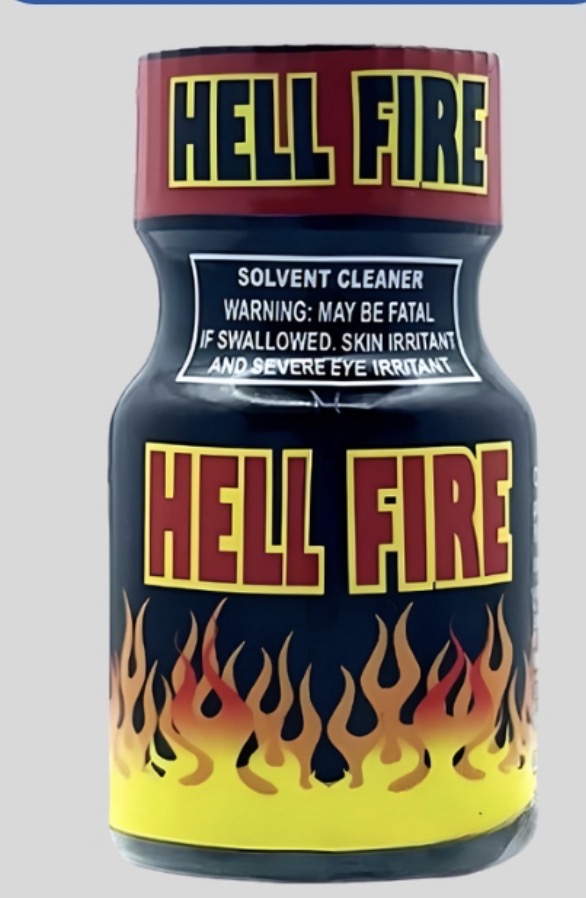
Hell Fire — Solvent Cleaner
Cleaner labels may include warnings about swallowing, skin irritation, eye irritation, or flammability.
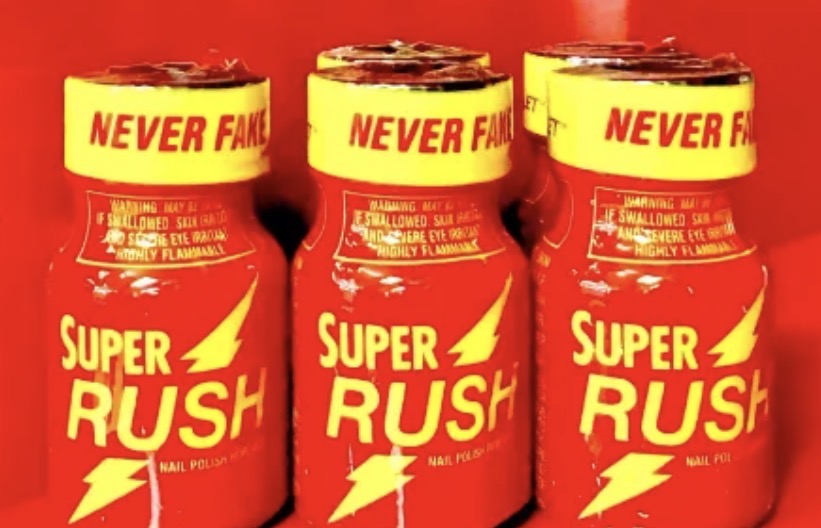
Super Rush
FDA lists Super RUSH and Super RUSH Nail Polish Remover among examples of nitrite popper products.
The warning is simple: a product label that says “cleaner,” “odorizer,” or “not for human consumption” does not make it safe. FDA warns against purchasing or using nitrite poppers.
What families and community members should know
Plain-English answers about poppers, alkyl nitrites, marketing labels, and health risks.
What are poppers chemically?
Poppers usually contain nitrite chemicals, often alkyl nitrites. Examples include amyl nitrite, isobutyl nitrite, isopropyl nitrite, and related nitrites. Different products may contain different chemicals, and the label may not clearly explain what is inside.
How are they used?
People typically inhale vapors from the bottle or from a cloth. The liquid itself should never be swallowed or placed on the skin. Inhaling the liquid rather than vapor, splashing it in the eyes, or swallowing it can cause serious injury.
What effects do they produce?
Users may report a brief rush, warmth, dizziness, lightheadedness, euphoria, flushing, and muscle relaxation. These same effects are related to blood-vessel widening, which can also cause sudden drops in blood pressure and fainting.
What are the health risks?
Risks include headache, dizziness, fainting, nausea, vomiting, fast heartbeat, low blood pressure, chemical burns, eye injury, and breathing problems. Severe poisoning can cause methemoglobinemia, a blood problem where the body cannot carry oxygen normally. Signs may include blue or gray skin, shortness of breath, confusion, extreme tiredness, or collapse.
Can poppers damage vision?
Yes. Poppers have been linked to maculopathy, a form of retinal injury that can cause blurry vision, central vision changes, or vision loss. Research has especially raised concern about isopropyl nitrite products, although exact risk varies and may depend on product contents.
Can poppers interact with other drugs?
Yes. Poppers can dangerously lower blood pressure when combined with erectile dysfunction drugs such as sildenafil or tadalafil, sold as Viagra or Cialis. They can also be dangerous with nitrates such as nitroglycerin, blood-pressure medicines, alcohol, or other drugs that affect blood pressure or breathing.
Are poppers legal?
Laws vary by product, state, and country. Many products are sold under labels such as “cleaner” or “not for human consumption.” Legal availability does not mean FDA has reviewed the product for safety, purity, accurate labeling, or inhalation use.
What does “leather cleaner” or “room odorizer” mean?
Those labels are often used to avoid saying the product is intended for inhalation. Consumers should not assume the product is safe because it is sold as a cleaner, odorizer, solvent, or nail polish remover.
How can I recognize poppers in a store?
- Small bottles, often around 10 mL to 40 mL.
- Names such as Jungle Juice, Rush, Super Rush, Hell Fire, Speed, Ecstasy Pop, Amsterdam, Hard, Quick Silver, or Iron Horse.
- Labels saying leather cleaner, room odorizer, solvent cleaner, liquid incense, tape head cleaner, or nail polish remover.
- Warnings about swallowing, flammability, skin irritation, or eye irritation.
- Products sold in adult stores, vape shops, smoke shops, some gas stations, and online.
What should I do in an emergency?
Call 911 if someone collapses, has chest pain, has trouble breathing, turns blue or gray, has a seizure, has severe confusion, or cannot be awakened. Call Poison Control at 1-800-222-1222 for urgent poison questions. Do not induce vomiting if swallowed, and keep the bottle if possible.
Educational resources for families
How to talk with teens and young adults
- Explain that poppers are nitrite chemicals, not harmless novelty products.
- Explain that “not for human consumption” does not mean safe. It often means the product is avoiding direct inhalation claims.
- Discuss the danger of mixing poppers with Viagra, Cialis, nitrates, blood-pressure medicines, alcohol, or other drugs.
- Explain warning signs of low oxygen or severe poisoning: blue or gray skin, trouble breathing, fainting, confusion, or collapse.
- Encourage immediate medical help after swallowing, collapse, chest pain, breathing trouble, or severe symptoms.
What to look for in stores
- Small bottles labeled as leather cleaner, room odorizer, nail polish remover, solvent cleaner, or liquid incense.
- Brand names such as Jungle Juice, Rush, Super Rush, Hell Fire, Speed, Ecstasy Pop, Quick Silver, or Iron Horse.
- Warning labels that mention swallowing, eye irritation, skin irritation, or flammability.
- Products sold in adult stores, vape shops, smoke shops, gas stations, or online.
- Listings that use “poppers,” “alkyl nitrites,” “nitrite cleaner,” or “room aroma” language.