Nitrous
Oxide
Nitrous oxide is legally used in food and medical settings, but recreational inhalation from chargers, tanks, or flavored canisters can cause oxygen deprivation, burns, nerve injury, blood clots, psychiatric symptoms, paralysis, and death.
What are nitrous oxide products?
Nitrous oxide is a colorless gas used legally as a whipped cream propellant and in medical or dental settings under professional supervision. Outside those uses, people may misuse it by inhaling gas from whipped cream chargers, larger tanks, balloons, or flavored canisters.
FDA has warned that recreational inhalation of nitrous oxide products can cause serious health problems. Products may be sold as whipped cream chargers, culinary gas, “infusion” systems, or flavored nitrous oxide. Labels may say “not for human consumption,” but that does not remove the risk.
Chargers and tanks
Products may appear as small metal chargers, large canisters, or tanks used with balloons, dispensers, or crackers.
Colorful branding
FDA has warned about products sold in colorful packaging and flavors, including brands such as Galaxy Gas and Miami Magic.
Immediate accident risk
Inhaling nitrous oxide can cause lightheadedness, fainting, loss of consciousness, falls, crashes, or suffocation.
Longer-term nerve risk
Repeated or heavy use can inactivate vitamin B12 and cause numbness, tingling, weakness, trouble walking, or paralysis.
Examples of nitrous oxide products on shelves and online
These examples show the kinds of chargers, tanks, and branded nitrous oxide products that may be sold in retail settings or online. The key warning sign is not just size — small chargers and large canisters can both be misused.
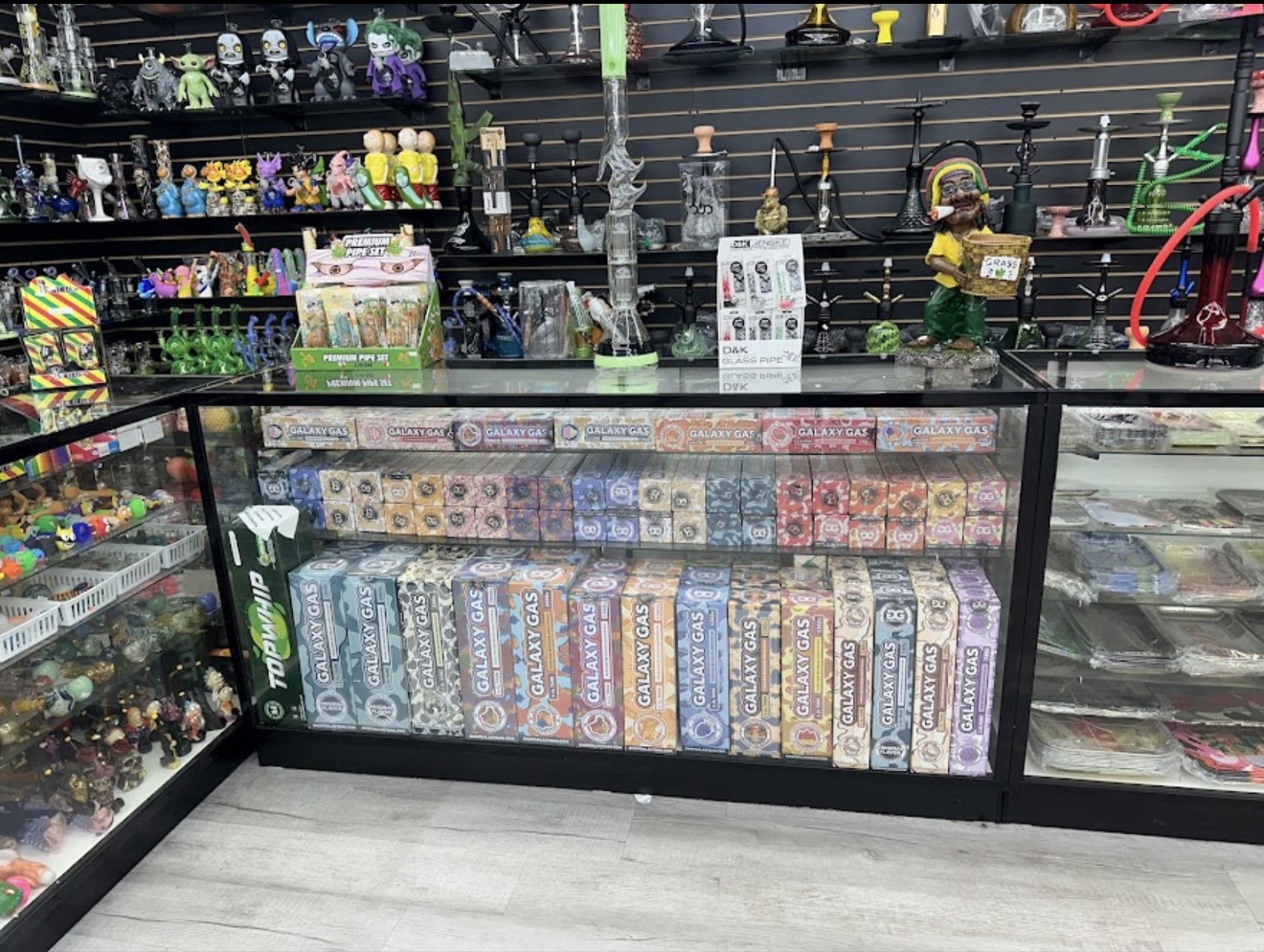
Galaxy Gas
FDA lists Galaxy Gas among brands associated with recreational nitrous oxide inhalation concerns.
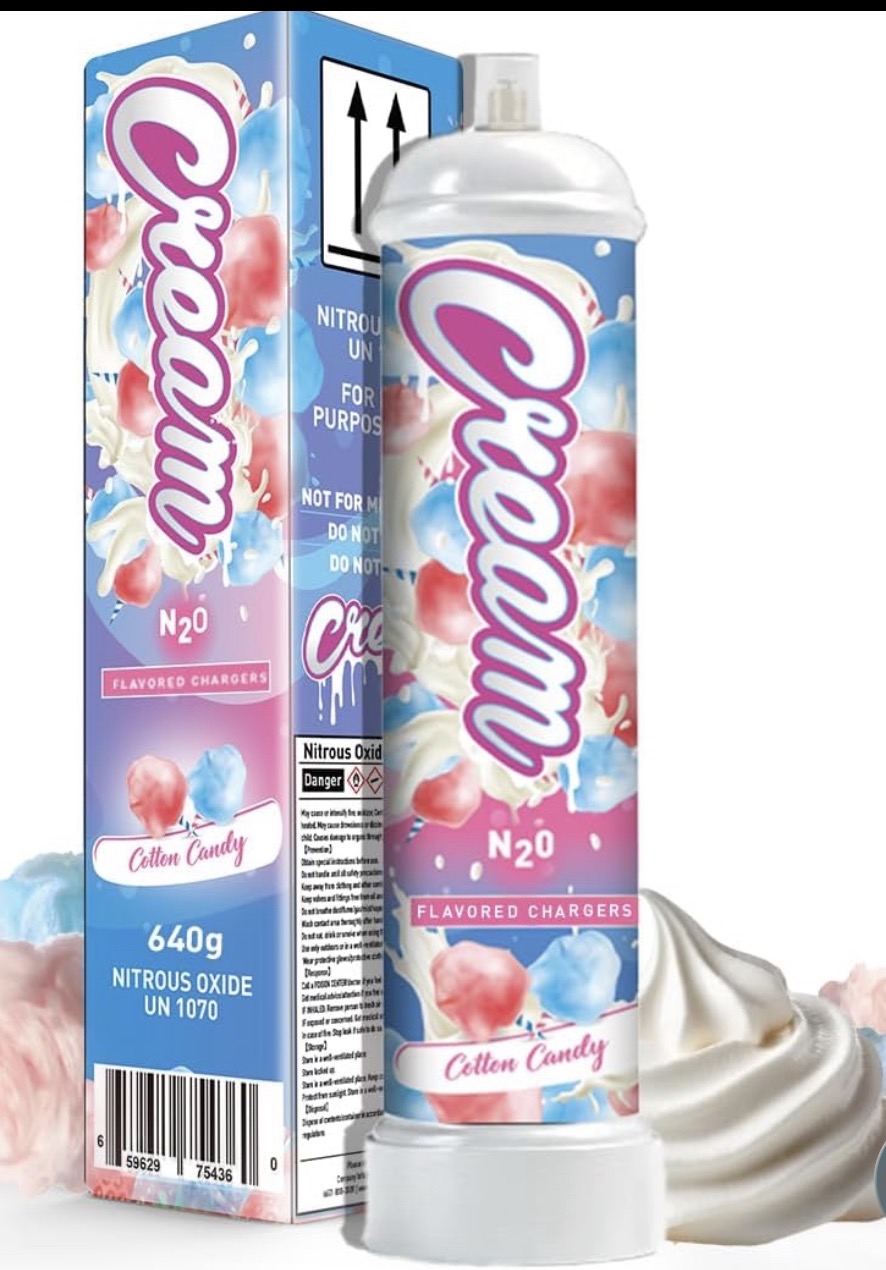
Flavored Nitrous Chargers
Flavoring and colorful labels may make misuse seem casual or low-risk.
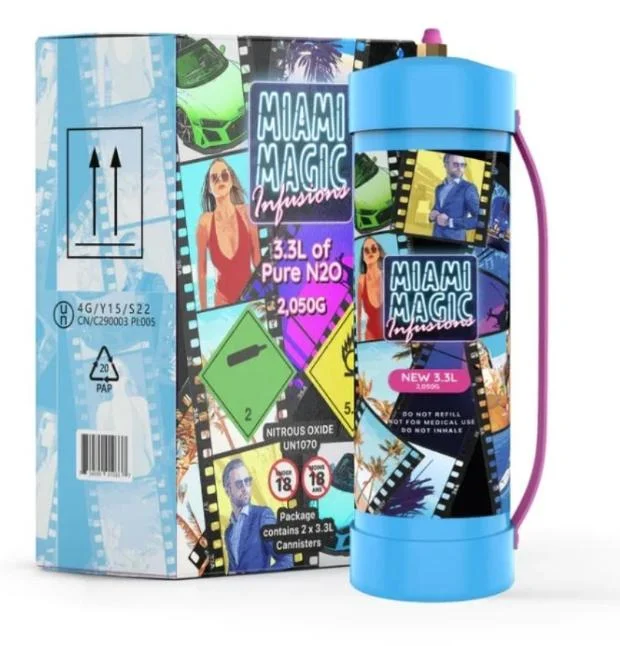
Miami Magic
FDA lists Miami Magic among brand examples in its nitrous oxide inhalation warning.
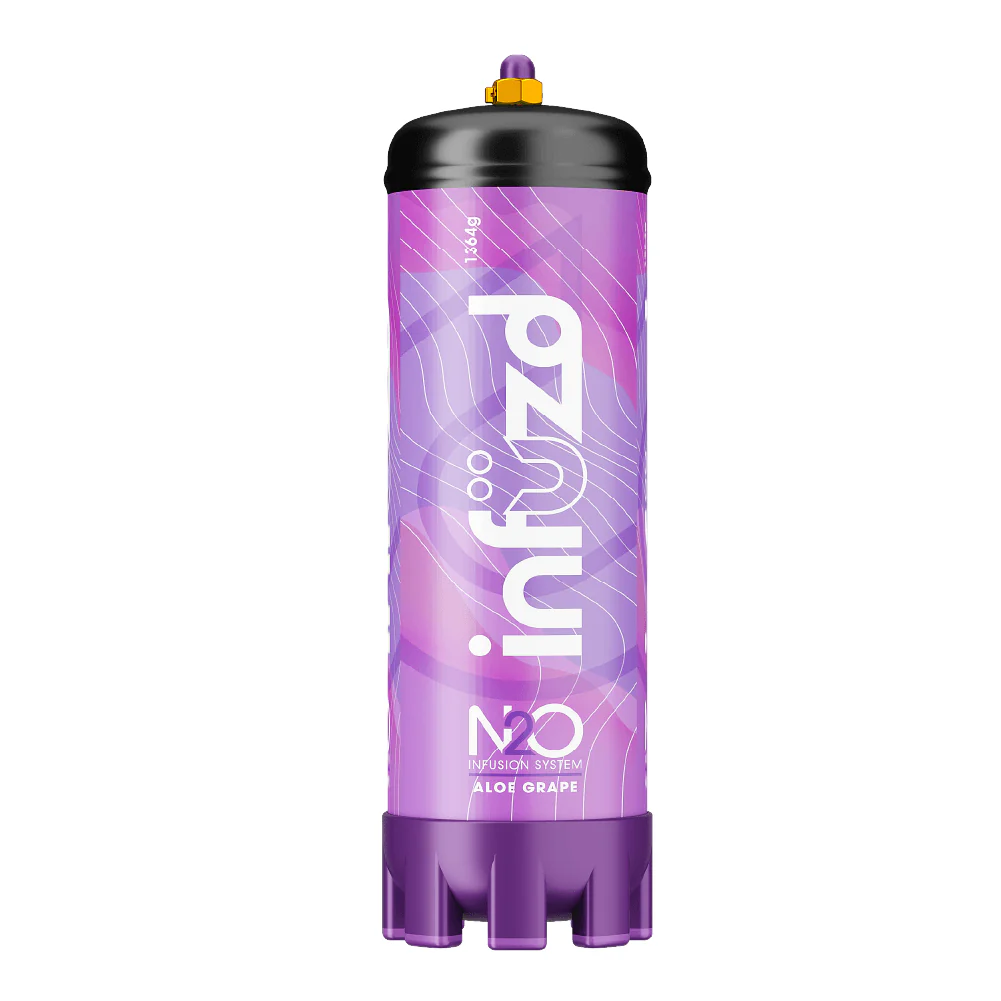
Infusion-Style Product
“Infusion” or culinary wording does not mean the product is safe to inhale.
The warning is simple: nitrous oxide has legitimate food and medical uses, but recreational inhalation is dangerous. “Whipped cream charger,” “culinary use,” or “not for human consumption” language does not make inhalation safe.
What families and community members should know
Plain-English answers about nitrous oxide, whippets, chargers, tanks, flavored canisters, and health risks.
What are common names and brands?
Common names include nitrous, laughing gas, whippets, whippits, chargers, balloons, and nangs. FDA lists brands such as Baking Bad, Cloud 9ine, Cosmic Gas, Euro Gas, ExoticWhip, FastGas, Galaxy Gas, Goo Sticks, HOTWHIP, InfusionMax, MassGass, Miami Magic, Monster Gas, NITROX, and Whip-it! in its warning.
How is nitrous oxide misused?
People may release nitrous oxide from a charger, dispenser, or tank into a balloon and inhale it. Some people inhale directly from canisters or tanks, which can cause cold burns or frostbite to the mouth, throat, or airway. Repeated inhalation can reduce oxygen and increase the risk of loss of consciousness.
What effects does nitrous oxide produce?
Users may report a brief rush, giddiness, distorted sound, lightheadedness, relaxation, or dissociation. These effects can come with impaired judgment, poor coordination, fainting, falls, and accidents.
What are the short-term risks?
Short-term risks include dizziness, nausea, vomiting, headache, palpitations, low blood pressure, fainting, loss of consciousness, oxygen deprivation, asphyxiation, falls, burns or frostbite, and injury from driving or operating equipment while impaired.
Can nitrous oxide cause nerve damage?
Yes. Repeated or heavy nitrous oxide use can inactivate vitamin B12. This can injure the brain, spinal cord, and nerves. Warning signs include numbness, tingling, weakness, trouble walking, balance problems, bladder or bowel problems, and, in severe cases, paralysis.
Can it affect mental health?
FDA lists psychiatric disturbances such as delusions, hallucinations, paranoia, and depression among possible adverse events. Heavy or repeated use can also worsen confusion, memory problems, and risky behavior.
Is nitrous oxide legal to buy?
Nitrous oxide has legal culinary and medical uses, but laws on retail sale, age restrictions, and misuse vary by state and locality. Legal availability does not mean a product is safe to inhale or approved for recreational use.
What do flavored chargers indicate?
Flavoring can make products seem more like novelty or party items and may appeal to recreational users. Even if a product is labeled for culinary use, inhaling nitrous oxide from chargers or tanks remains dangerous.
How can I recognize nitrous oxide products in a store?
- Small metal chargers sold in boxes, sleeves, or tubs.
- Larger canisters or tanks labeled nitrous oxide, N2O, whipped cream charger, culinary gas, or infusion system.
- Brand names such as Galaxy Gas, Miami Magic, Whip-it!, MassGass, Cosmic Gas, FastGas, or InfusionMax.
- Flavor names such as cotton candy, grape, fruit punch, or similar sweet flavors.
- Products sold near balloons, crackers, dispensers, or other inhalation accessories.
What should I do in an emergency?
Call 911 if someone collapses, passes out, has trouble breathing, turns blue or gray, has chest pain, has a seizure, is severely confused, cannot walk, or cannot be awakened. Call Poison Control at 1-800-222-1222 for urgent poison questions. Keep the product container if possible.
Educational resources for families
How to talk with teens and young adults
- Explain that nitrous oxide is not harmless just because it is used in whipped cream chargers or medical settings.
- Explain that medical nitrous oxide is given with oxygen and professional monitoring. Retail inhalation is not the same.
- Discuss short-term risks: fainting, oxygen deprivation, burns, crashes, falls, and suffocation.
- Discuss long-term risks: vitamin B12 inactivation, nerve injury, numbness, trouble walking, bladder or bowel problems, and paralysis.
- Encourage immediate medical help for weakness, numbness, trouble walking, confusion, collapse, or breathing problems.
What to look for in stores
- Small metal chargers, large canisters, or tanks labeled N2O, nitrous oxide, whipped cream charger, culinary gas, or infusion system.
- Brands such as Galaxy Gas, Miami Magic, Whip-it!, Cosmic Gas, MassGass, FastGas, or InfusionMax.
- Flavor names and colorful packaging that may make the product look like a novelty item.
- Products sold with balloons, crackers, dispensers, or other accessories.
- Labels saying “not for human consumption,” “do not inhale,” or “culinary use only.”