Salvia
Divinorum
Salvia divinorum is a powerful hallucinogenic plant sold as dried leaf, concentrated extracts, sprays, and retail packets. Its effects can begin quickly and may cause intense disorientation, hallucinations, panic, and unsafe behavior.
Salvia is not ordinary sage. It is a potent psychoactive plant with unpredictable effects.
Salvia divinorum is a plant in the mint family. Its main active compound, salvinorin A, is a powerful hallucinogen that acts differently from classic psychedelics such as LSD or psilocybin.
Products may be sold as loose leaf, 10x, 20x, or 30x extracts, liquid sprays, or small retail packets. The stronger the extract, the harder it is for a consumer to predict dose, onset, intensity, or behavior during intoxication.
Very fast onset.
Smoked or vaporized salvia can take effect within seconds and may cause sudden disorientation.
Brief but intense.
Effects are often short-lived but can include frightening hallucinations, panic, confusion, and loss of control.
Concentrated extracts.
Products labeled 10x, 20x, 30x, or “extreme” may be much stronger than plain leaf.
Legal status varies.
Salvia is not federally controlled, but many states restrict salvia, salvinorin A, or sales to minors.
Salvia, explained in plain English
Salvia divinorum can cause intense altered perception and loss of awareness of surroundings. The main danger is not just the plant itself, but the risk of panic, accidents, falls, driving impairment, and unsafe behavior while disoriented.
What is Salvia divinorum?
Salvia divinorum is a psychoactive plant native to parts of Oaxaca, Mexico, where it has traditional ritual use. It contains salvinorin A, a potent compound that can cause hallucinations and major changes in perception.
It should not be confused with culinary sage or common garden salvia plants.
How is it used?
Salvia may be smoked, vaporized, chewed, or used as a concentrated extract or spray. Retail products may be labeled as dried leaf, extract, 10x, 20x, 30x, “stage 5,” “extreme,” or liquid extract.
Smoking or vaping can produce rapid effects, while oral or sublingual use may have slower onset.
What effects can it cause?
Effects may include hallucinations, altered sense of time, feeling detached from the body, dizziness, confusion, anxiety, laughter, panic, poor coordination, and inability to respond normally to surroundings.
Some people may move unpredictably, fall, run, or act without understanding where they are or what is happening.
Why should families and communities be concerned?
Salvia products can be sold in small packets or sprays that look like ordinary herbal products. Concentrated extracts may be especially risky because a small amount can produce strong effects.
- Accident risk: Falls, injuries, drowning, burns, and traffic risks can occur when someone is disoriented.
- Panic risk: The experience can be frightening and may trigger agitation or unsafe behavior.
- Impairment risk: Driving, caregiving, working, or operating equipment after use is dangerous.
- Young users: Teenagers may underestimate it because it is plant-based or sold in shops.
Where is salvia sold?
Depending on state law, products may be found in smoke shops, head shops, some convenience-style stores, or online. They may be sold as dried leaf, concentrated extracts, sprays, or small packets labeled Salvia divinorum.
Product availability changes by state and local enforcement.
Is salvia legal?
Salvia divinorum and salvinorin A are not controlled substances under federal law. However, many states and some localities have restricted or banned possession, sale, or sale to minors.
Legal availability does not mean the product is safe, accurately labeled, or appropriate for use.
Is salvia addictive?
Salvia is not known for the same physical dependence pattern as opioids, alcohol, or benzodiazepines. The larger concern is acute intoxication: sudden disorientation, impaired judgment, panic, and injury risk.
Repeated use may still be concerning, especially if someone uses it to escape stress, mixes it with other substances, or uses it in unsafe settings.
What should someone do after a bad reaction?
Move the person away from hazards, keep them seated or lying down, and avoid arguing with them while they are confused. Call 911 for injury, chest pain, trouble breathing, seizure, severe agitation, loss of consciousness, or behavior that cannot be safely managed.
For urgent poison questions, call Poison Control at 1-800-222-1222.
Salvia products on retail shelves and online
These products may look like dried herbs, sprays, extracts, or small packets. The appearance can make the risk easy to miss.
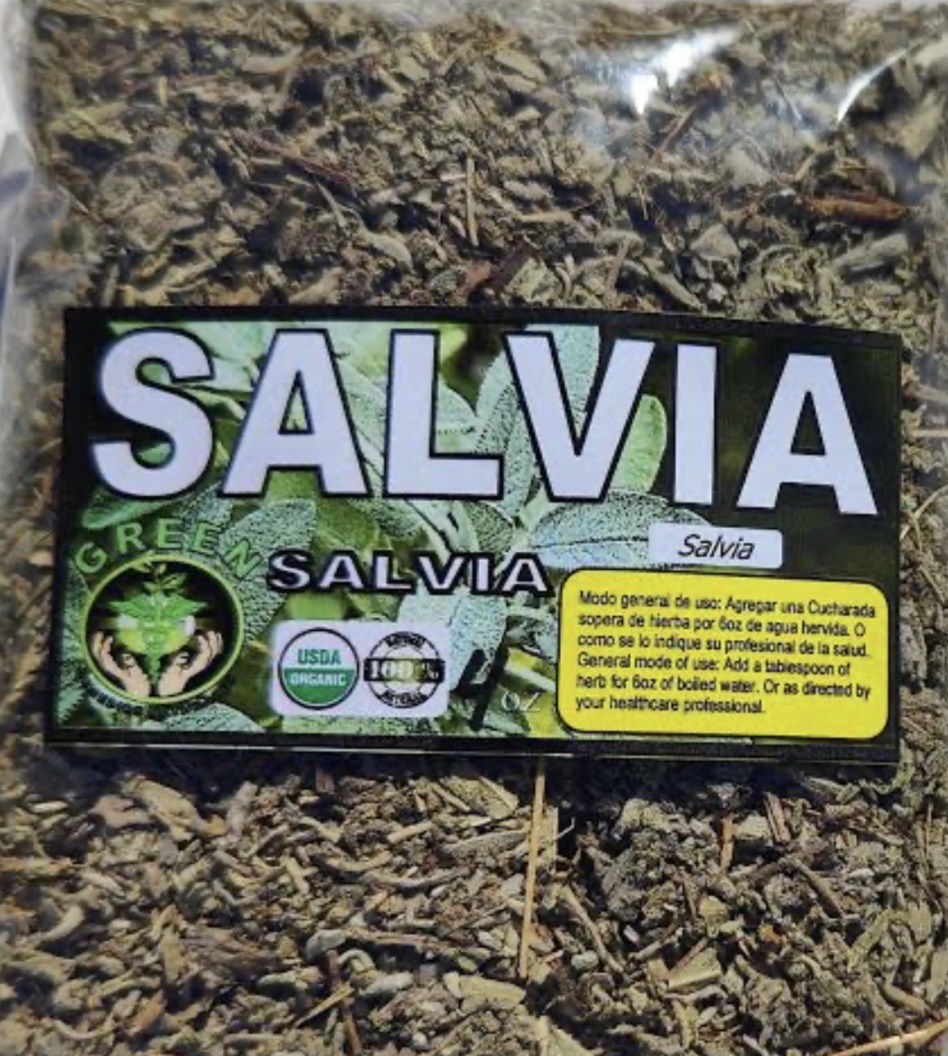
Salvia Dried Leaf Package
Loose plant material sold in retail packaging. Plant-based labeling can make a hallucinogenic product look ordinary.
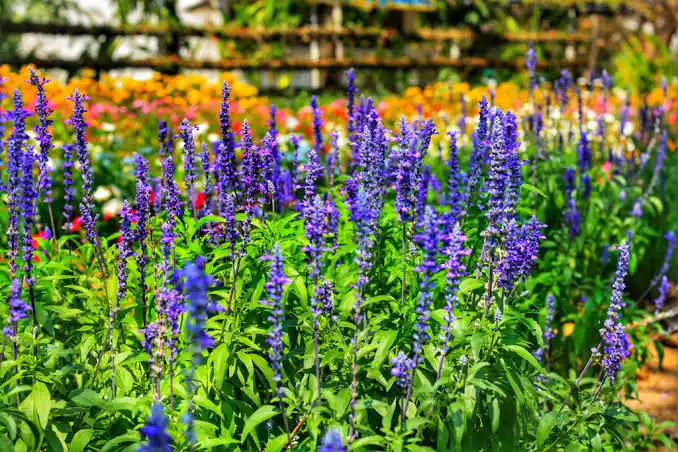
Salvia Divinorum Plant
Salvia divinorum is a mint-family plant, but its active compound salvinorin A can cause powerful hallucinogenic effects.
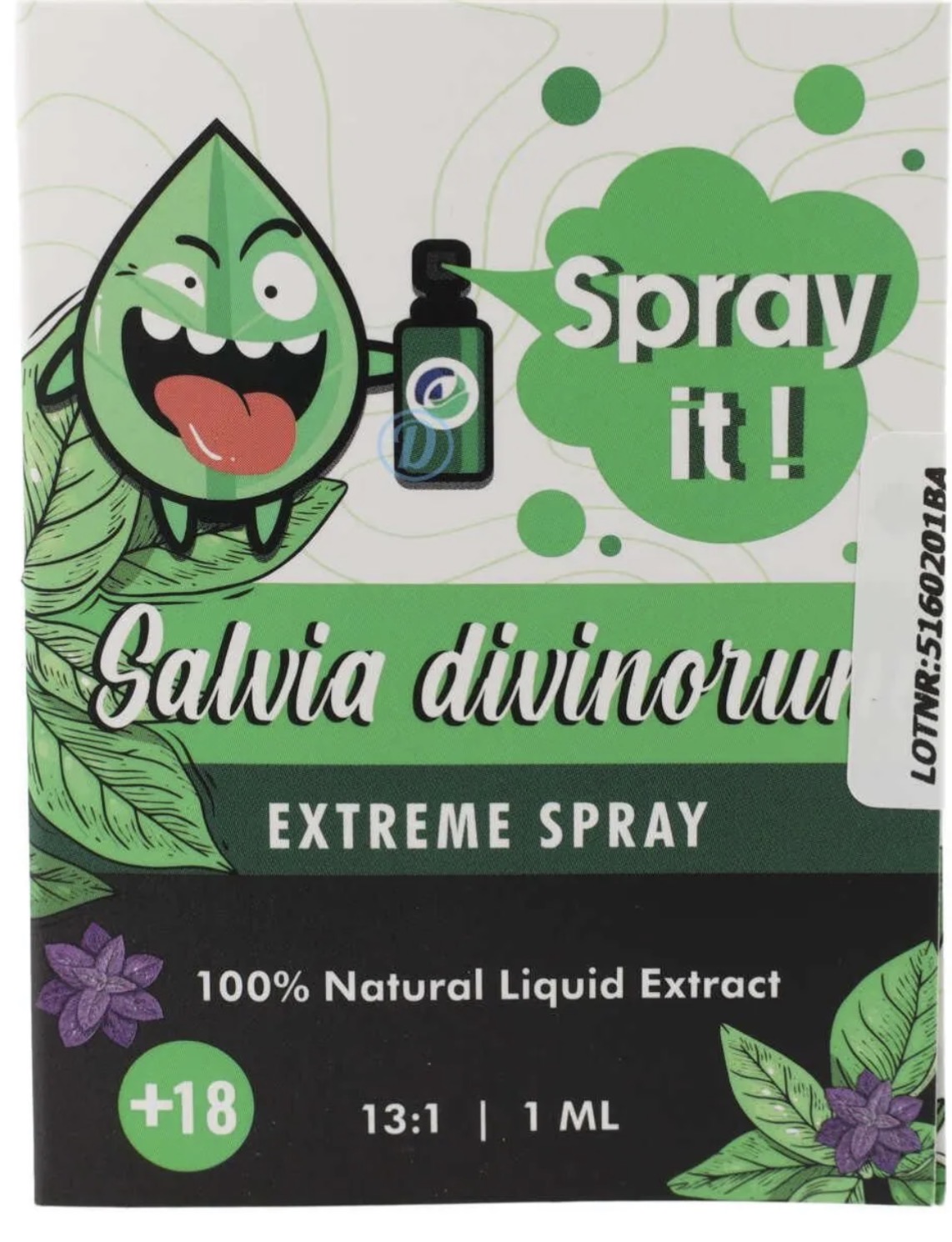
Salvia Divinorum Extreme Spray
Liquid extract and spray products raise concern because dose and potency may be difficult for consumers to judge.
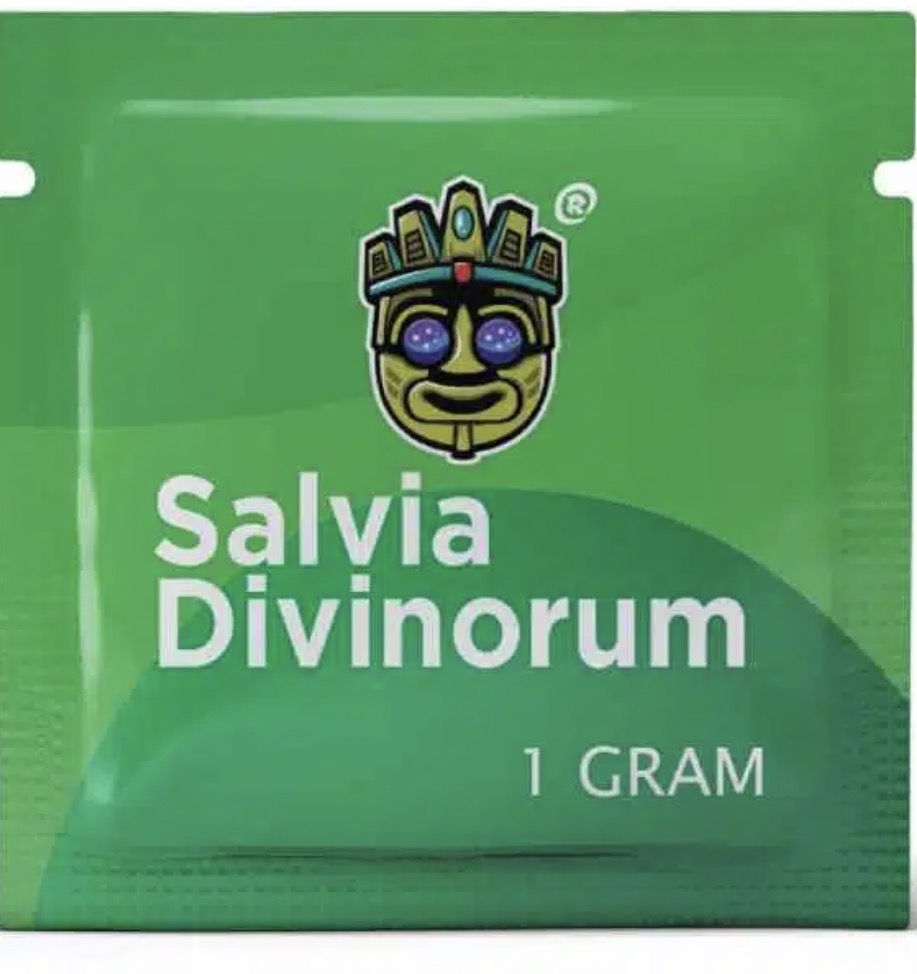
Salvia Divinorum Packet
Small packets can look like ordinary herbal products while containing a potent psychoactive substance.
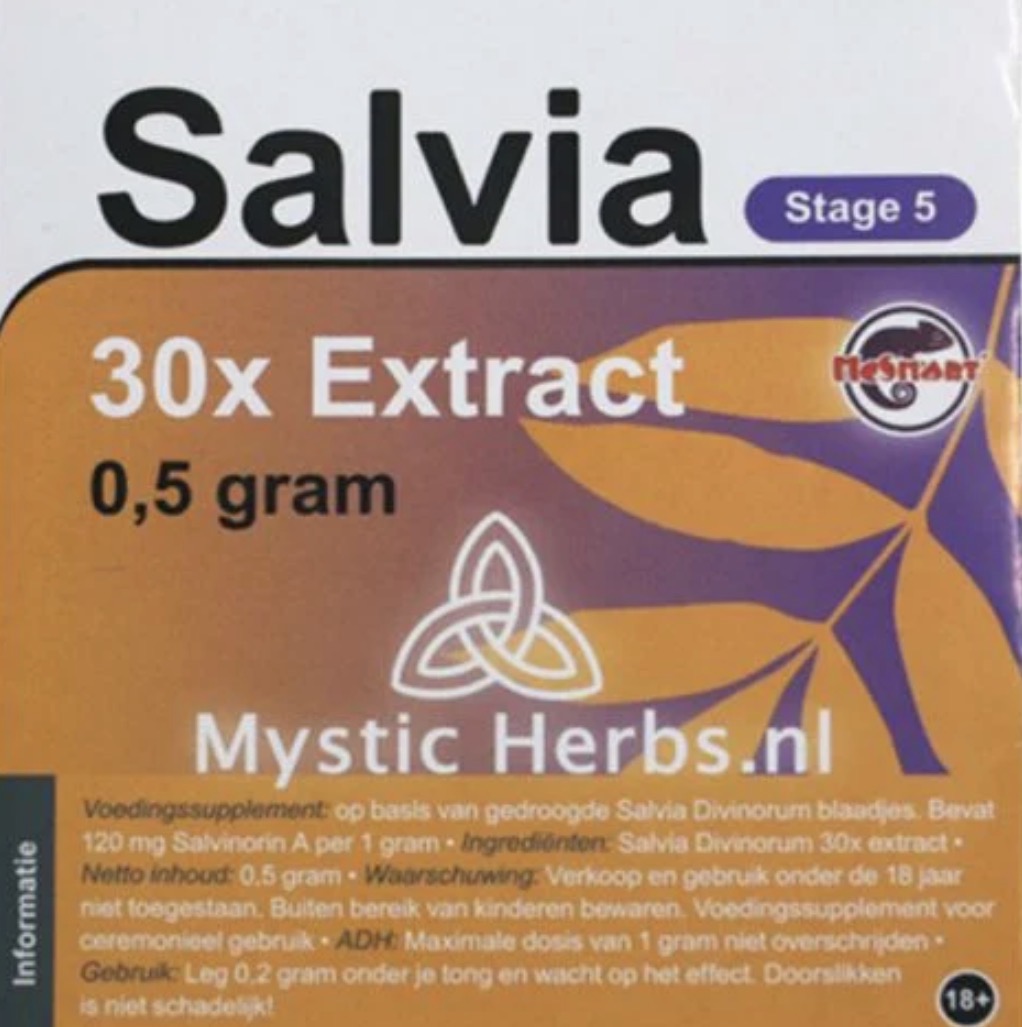
Salvia 30x Extract
Concentrated extract products may be much stronger than plain leaf and can produce sudden, intense effects.
Packaging can make salvia look like an herbal novelty item. Community members should focus on the ingredient, extract strength, product form, warning labels, and whether the product is being sold where young people can access it.
What to look for in your neighborhood
Red flags on shelves
- Products labeled “Salvia,” “Salvia divinorum,” “salvinorin A,” or “diviner’s sage.”
- Extract claims such as 5x, 10x, 20x, 30x, “stage 5,” “extreme,” or “liquid extract.”
- Small packets, dried leaf, sprays, vials, or concentrated extracts.
- Labels that describe ceremonial, spiritual, psychedelic, or hallucinogenic effects.
- Products sold near other psychoactive botanicals, mushroom products, kratom, kava, hemp products, or inhalants.
- Labels that lack clear warnings about hallucinations, impairment, panic, driving, falls, and emergency symptoms.
What communities can do
- Take clear photos of the front label, ingredient panel, warnings, lot number, and shelf display.
- Warn schools, parent groups, prevention coalitions, and community organizations about salvia extracts and sprays.
- For immediate symptoms or accidental exposure, call Poison Control at 1-800-222-1222.
- Call 911 for injury, seizure, loss of consciousness, severe agitation, trouble breathing, or unsafe behavior.
- Report deceptive marketing to the FTC: reportfraud.ftc.gov
- Report serious adverse events to FDA MedWatch and share concerns with local health departments.