Amanita
Muscaria
Amanita muscaria mushroom products are being sold in gas stations, vape shops, smoke shops, and online as gummies, vapes, chocolates, shots, and “legal mushroom” products. Many consumers do not realize these products can cause poisoning and severe reactions.
Amanita muscaria is being repackaged as gummies, vapes, chocolates, and “legal psychedelic” products.
Amanita muscaria, also called fly agaric, is the red-and-white mushroom commonly seen in fairy-tale imagery. It is not the same as psilocybin mushrooms. Its main psychoactive compounds include muscimol and ibotenic acid, which can affect the brain in unpredictable ways.
Modern retail products are not the same as traditional mushroom use. Concentrated gummies, vapes, shots, chocolates, and blended “mushroom” products may contain unclear doses, undisclosed ingredients, or additional psychoactive substances. FDA has stated that Amanita muscaria, its extracts, and certain constituents such as muscimol, ibotenic acid, and muscarine are not authorized for use in conventional food.
It can look playful.
Gummies, chocolates, shots, and vapes may use colorful mushroom graphics, fruit flavors, and cartoon-style packaging.
It is not psilocybin.
Amanita muscaria works differently from psilocybin mushrooms and can cause poisoning, delirium, sedation, or seizures.
Dosing is uncertain.
Milligram claims may not tell consumers how much muscimol, ibotenic acid, or other active compounds are present.
Products may be adulterated.
CDC testing of some mushroom gummies found undisclosed controlled substances in products marketed as mushroom or nootropic gummies.
Amanita muscaria, explained in plain English
This is a psychoactive and potentially toxic mushroom being sold in modern retail forms. The concern is concentrated, poorly labeled, or blended products that may cause intoxication, poisoning, panic, seizures, or emergency department visits.
What is Amanita muscaria?
Amanita muscaria is a mushroom commonly known as fly agaric. It contains psychoactive compounds including muscimol and ibotenic acid. These chemicals can cause altered perception, confusion, drowsiness, agitation, nausea, vomiting, and other toxic effects.
It should not be confused with psilocybin mushrooms. Psilocybin and muscimol act differently in the body and carry different risks.
Why should families and communities be concerned?
The concern is not just that Amanita muscaria is a mushroom. The concern is that concentrated retail products may be sold with bright packaging, sweet flavors, unclear dosing, recreational branding, and little transparency about what is actually inside.
- Misleading forms: Gummies, chocolates, shots, and vapes can make psychoactive products appear routine or low-risk.
- Unclear dosing: A label may say “25 mg muscimol” or “3000 mg mushroom,” but consumers cannot easily verify potency or dose.
- Undisclosed ingredients: Some products marketed as mushroom gummies have been found to contain substances not listed on the label.
- Emergency reactions: Reported symptoms include nausea, vomiting, agitation, confusion, hallucinations, abnormal heart rate, seizures, and loss of consciousness.
Where are Amanita products sold?
Amanita muscaria products may be sold in gas stations, vape shops, smoke shops, CBD stores, head shops, convenience stores, and online. Products may appear near kratom, kava, hemp-derived cannabinoids, blue lotus, nitrous products, or other psychoactive botanicals.
Look for the words “Amanita,” “Amanita muscaria,” “muscimol,” “fly agaric,” “legal mushroom,” “mushroom gummies,” “shroom,” or “magic mushroom” on packaging.
How is it marketed to look safe?
Products often use playful, wellness, candy, or psychedelic-style branding that can make the risks look smaller than they are.
- “Legal mushroom”
- “Magic gummies”
- “Microdose” or “mega dose”
- “Pure shroom”
- “Lab tested” or “made in the USA” claims that do not prove safety
A product can look polished, colorful, or professional and still carry real poisoning risks.
What are the effects and risks?
Effects may include sleepiness, dizziness, confusion, altered perception, euphoria, agitation, hallucinations, nausea, vomiting, sweating, fast or irregular heartbeat, and poor coordination.
More serious reactions can include seizures, loss of consciousness, severe agitation, breathing problems, and hospitalization. Driving, working, caregiving, or operating machinery after use can be dangerous.
What happened with Diamond Shruumz?
CDC and FDA investigated severe illnesses linked to Diamond Shruumz brand chocolate bars, cones, and gummies. As of October 31, 2024, 180 illnesses, 73 hospitalizations, and three potentially associated deaths were reported. The products were recalled and should no longer be sold.
Testing of some products identified multiple substances, including muscimol, and in some cases other psychoactive substances. This is a warning sign for the broader “mushroom edible” market: the label may not tell the full story.
Is Amanita muscaria legal?
Amanita muscaria is not federally scheduled as a controlled substance in the same way psilocybin is. However, legality can vary by state, product type, food law, institutional policy, and product contents.
FDA has stated that Amanita muscaria, its extracts, and certain constituents are not authorized for use in conventional food. Legal availability does not mean a product has been reviewed for safety, purity, potency, or accurate labeling.
Are Amanita vapes especially concerning?
Yes. Vaping delivers substances directly to the lungs, and the safety of inhaling Amanita muscaria extracts or muscimol-like products is not well established.
Vape products also raise a separate concern: labels may not reliably disclose all ingredients, dose, solvents, additives, or contaminants.
Amanita muscaria products on retail shelves and online
These products may look like gummies, vapes, chocolates, shots, or novelty items. The appearance can make the risk easy to miss.
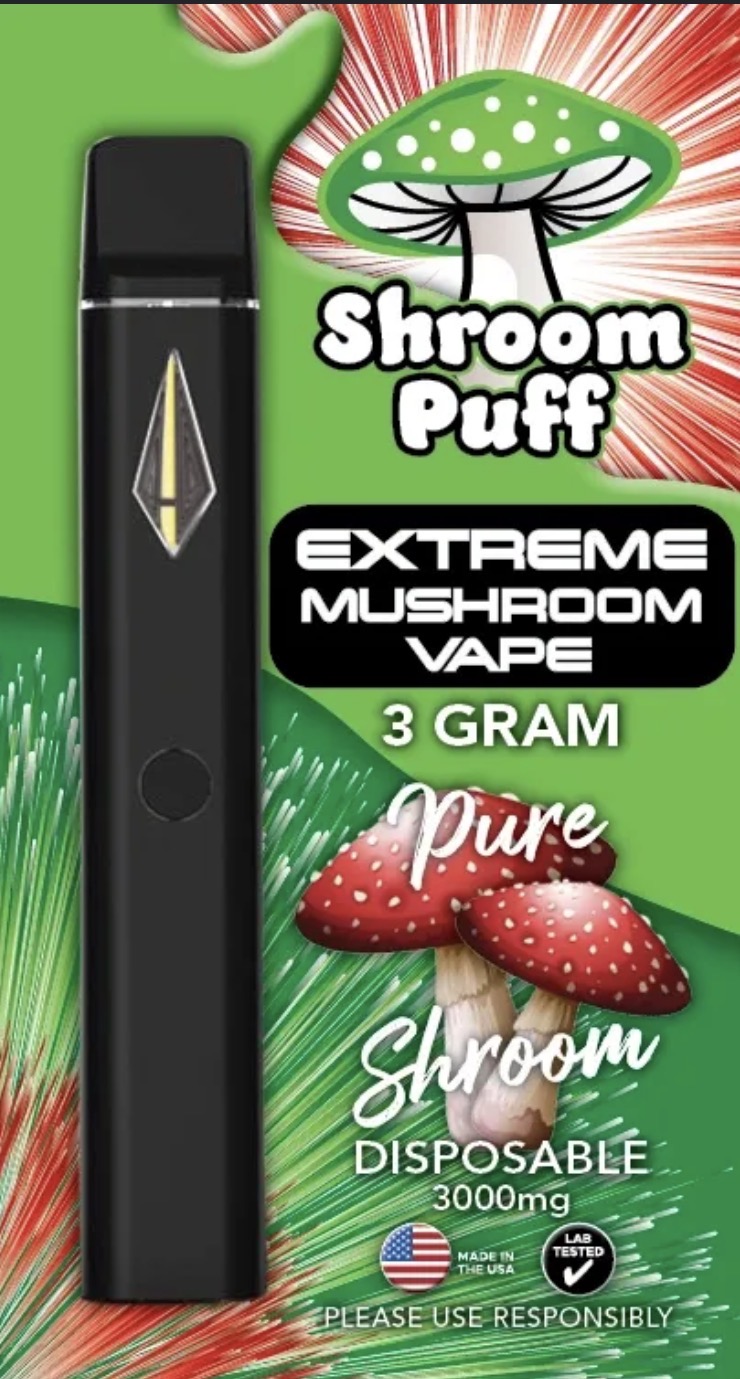
Shroom Puff — Extreme Mushroom Vape
A disposable vape using mushroom-themed branding and a 3000 mg claim. Inhaled products raise special safety concerns.
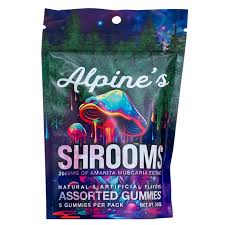
Alpine’s Shroom Gummies
Gummies labeled with Amanita muscaria. Edible products can make psychoactive mushroom ingredients appear casual or low-risk.
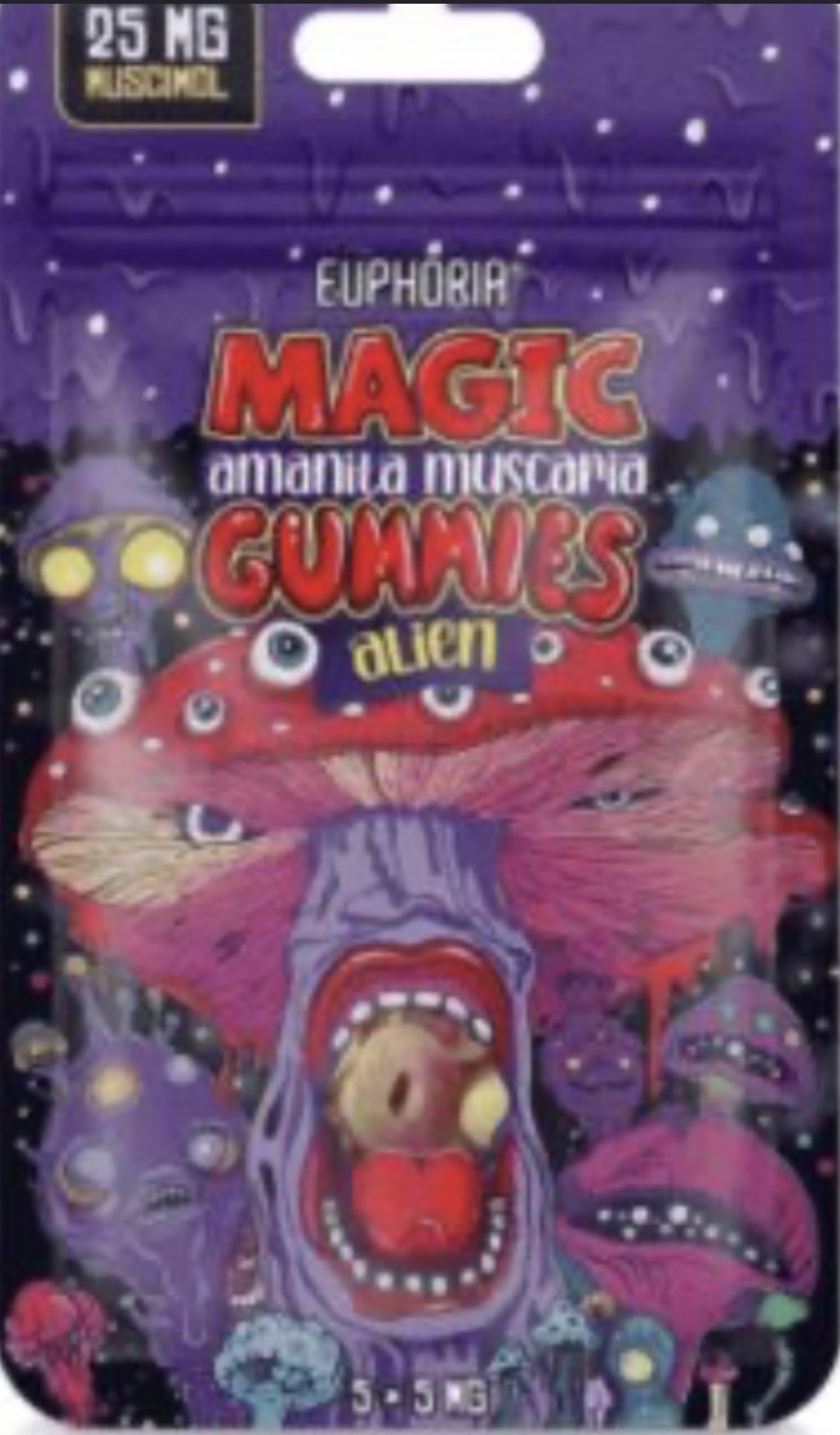
Euphoria Magic Amanita Gummies
“Euphoria,” “magic,” and cartoon mushroom graphics signal recreational use while giving little safety information.
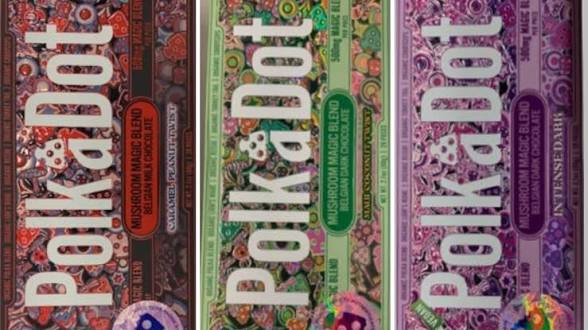
PolkaDot Mushroom Blend Products
Mushroom-themed bars may use psychedelic-style branding and unclear “blend” language.
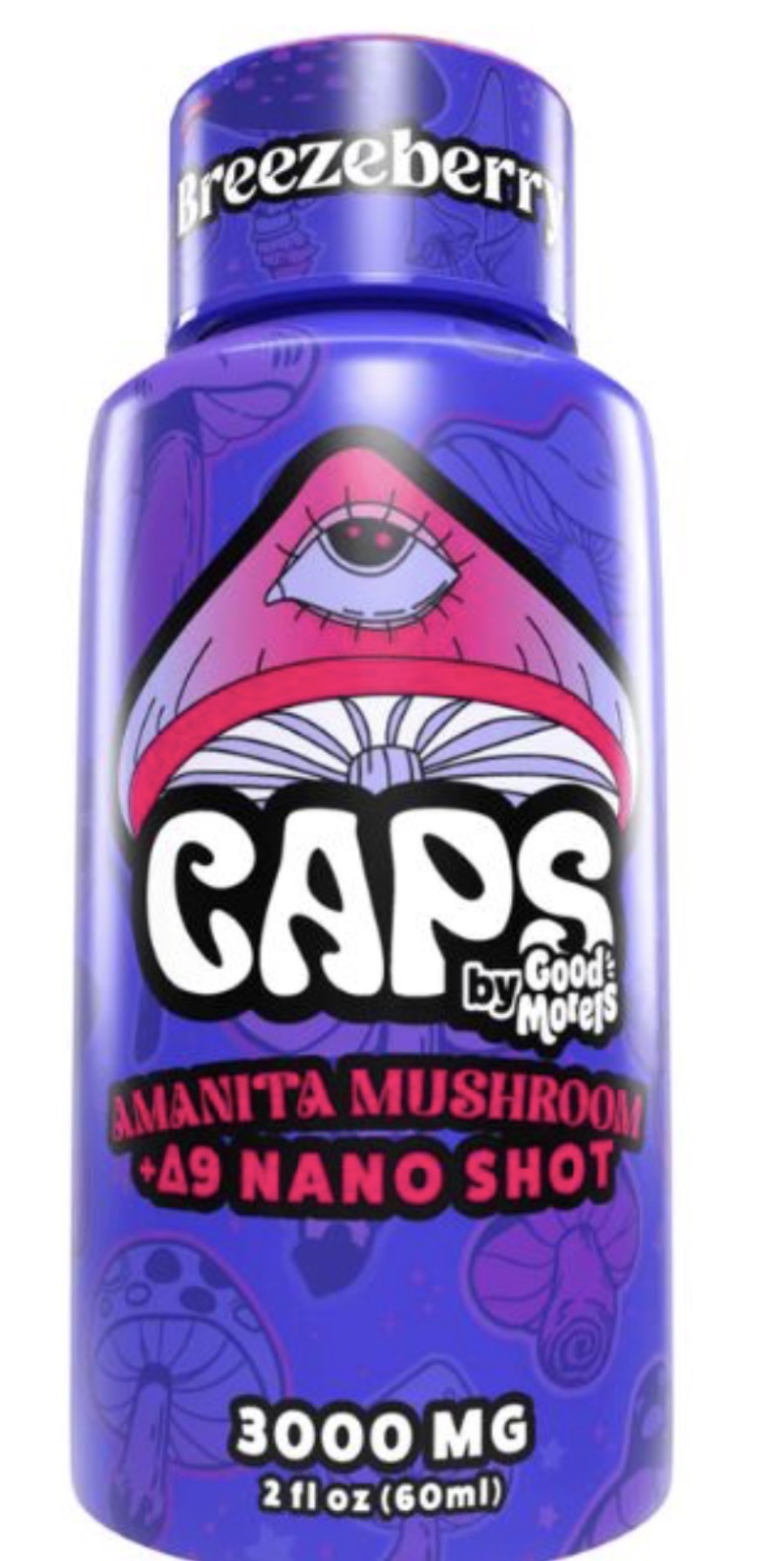
CAPS Amanita Mushroom + D9 Nano Shot
Combination products are especially concerning because effects may be stronger or less predictable.
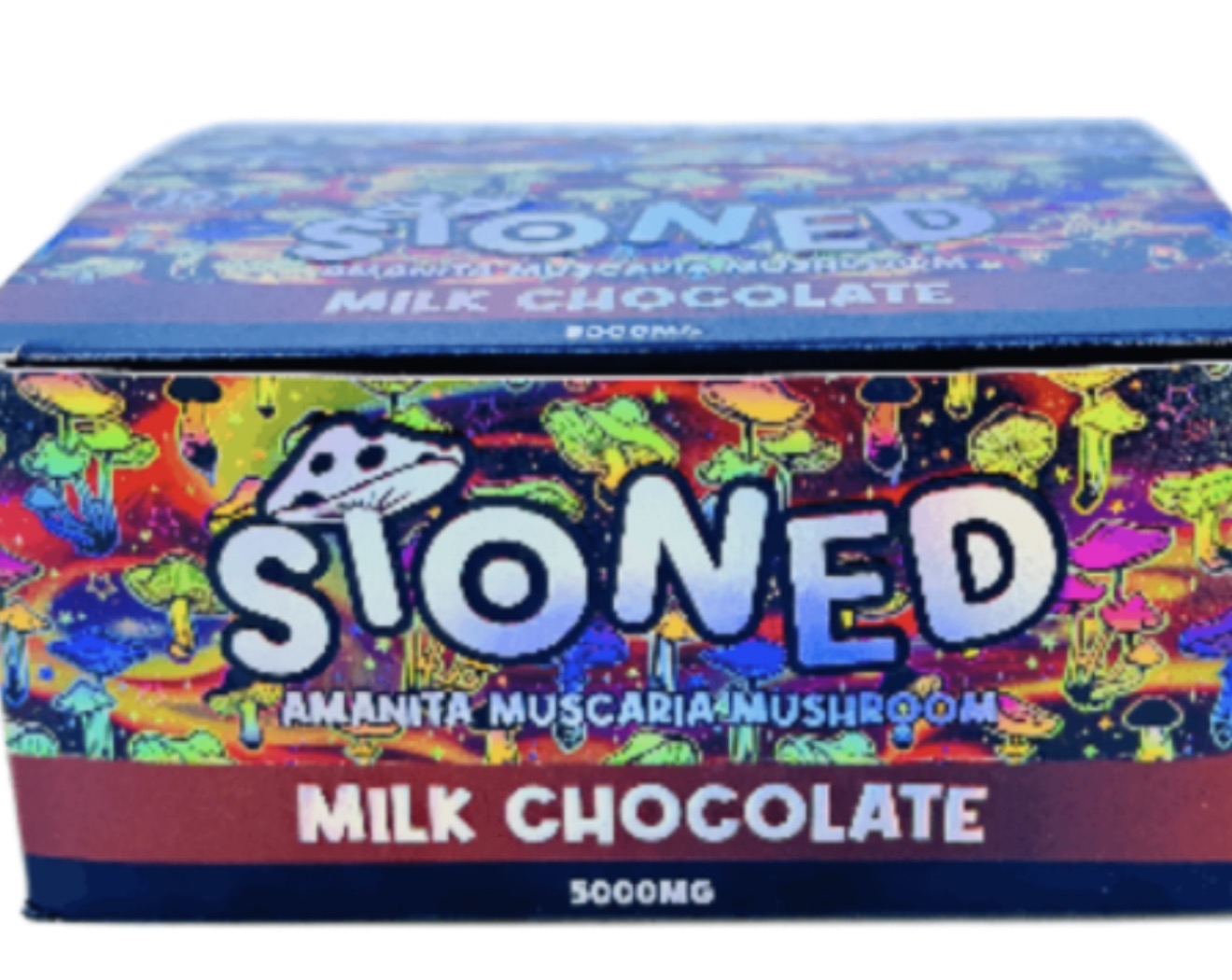
Stoned Amanita Mushroom Chocolate
Chocolate packaging can make a psychoactive mushroom product look like a regular edible treat.
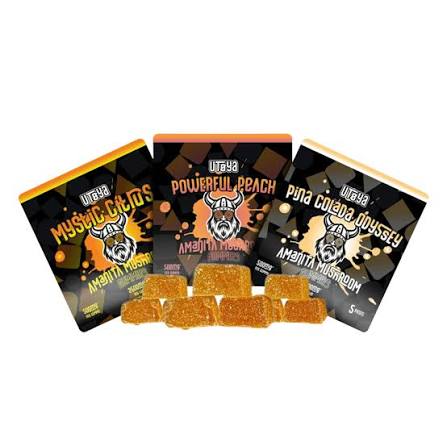
Uteya Amanita Mushroom Gummies
Fruit-flavored gummies with mushroom graphics can appeal to people who may not understand the poisoning risk.
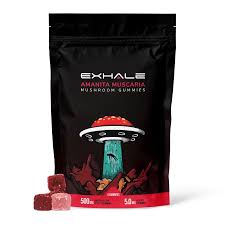
Exhale Amanita Muscaria Gummies
“Mushroom gummies” branding may conceal uncertainty about dose, active compounds, and other ingredients.
Packaging can make these products look harmless, trendy, or fun. Community members should focus on the ingredient, product form, claims, dose, and whether the label clearly warns about poisoning, impairment, interactions, and emergency symptoms.
What to look for in your neighborhood
Red flags on shelves
- Products labeled “Amanita,” “Amanita muscaria,” “muscimol,” “fly agaric,” “magic mushroom,” “legal mushroom,” or “shroom.”
- Gummies, vapes, shots, chocolates, powders, or infused edibles with psychoactive or psychedelic-style claims.
- Branding that uses words such as “stoned,” “magic,” “euphoria,” “microdose,” “mega dose,” “mushroom blend,” or “pure shroom.”
- Large milligram claims without clear active-ingredient testing or safety warnings.
- Products combining Amanita with delta-8, delta-9, kava, kratom, blue lotus, caffeine, or other psychoactive ingredients.
- Labels that do not clearly warn about poisoning, impaired driving, seizures, loss of consciousness, or emergency symptoms.
What communities can do
- Take clear photos of the front label, ingredient panel, warnings, lot number, and shelf display.
- Warn schools, parent groups, prevention coalitions, and community organizations about Amanita gummies, vapes, shots, and chocolates.
- For immediate symptoms or accidental exposure, call Poison Control at 1-800-222-1222.
- Call 911 for seizures, loss of consciousness, trouble breathing, severe confusion, chest pain, or severe agitation.
- Report deceptive marketing to the FTC: reportfraud.ftc.gov
- Report serious adverse events to FDA MedWatch and share concerns with local health departments.